



Why Newark sewer lines fail, and when trenchless is the right fix
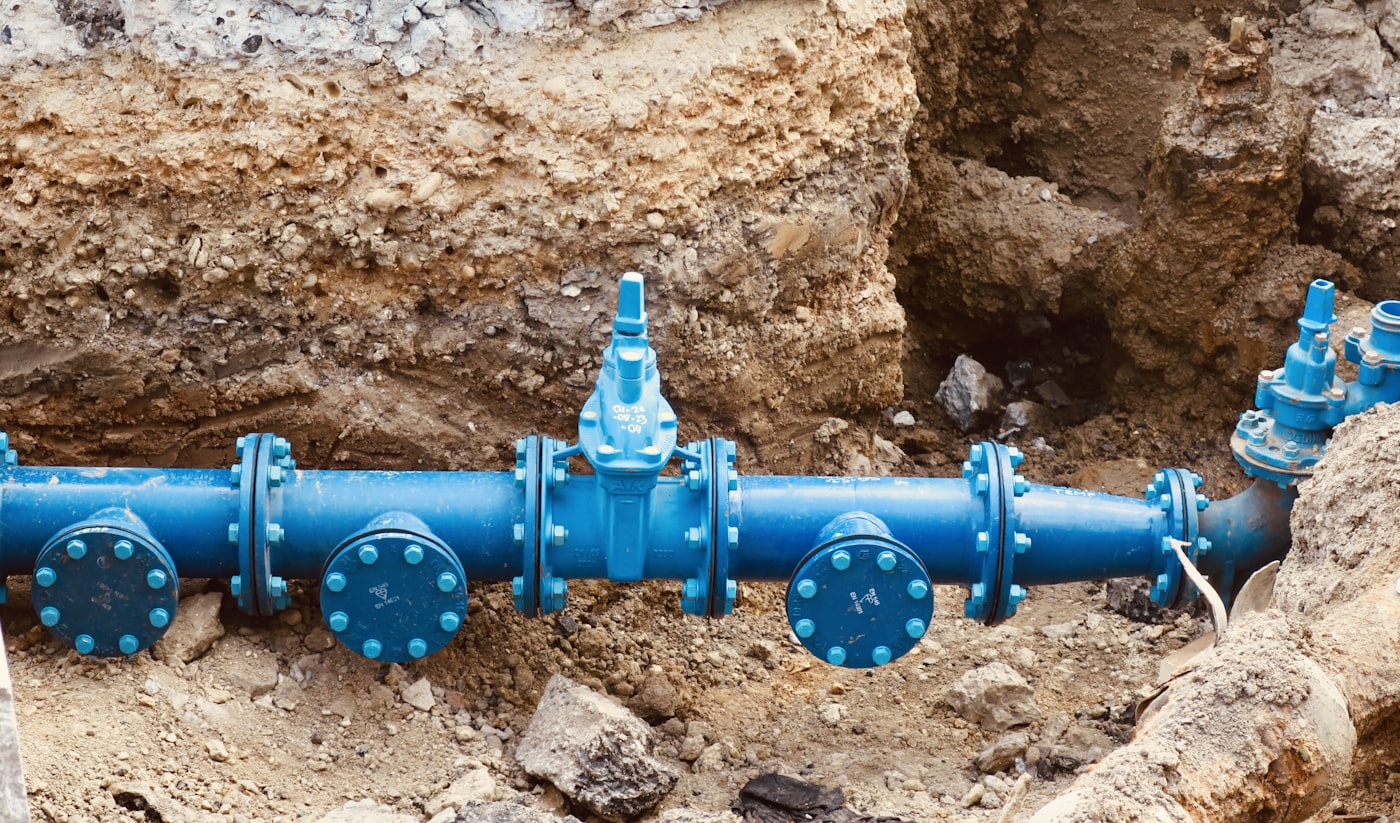
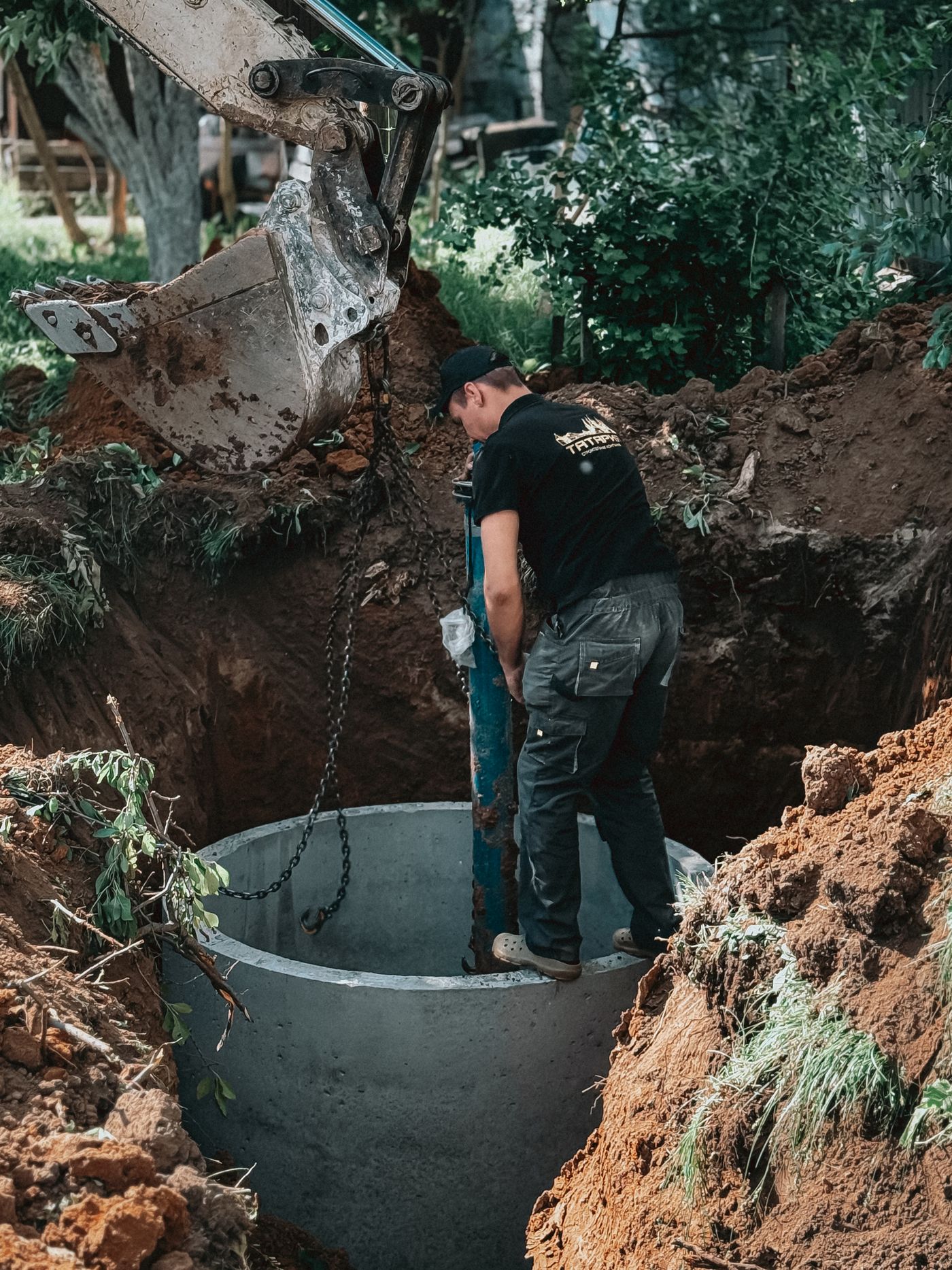
A lot of Newark's housing stock went up in the 1960s and 1970s, and the sewer laterals under those homes are often the original clay or cast iron. Clay pipe joins in short sections, and every joint is an invitation for tree roots. Cast iron corrodes and scales from the inside until the bore narrows. After fifty or sixty years of service, that combination shows up as recurring backups, slow drains across the whole house, and eventually a cracked, offset, or fully collapsed line.
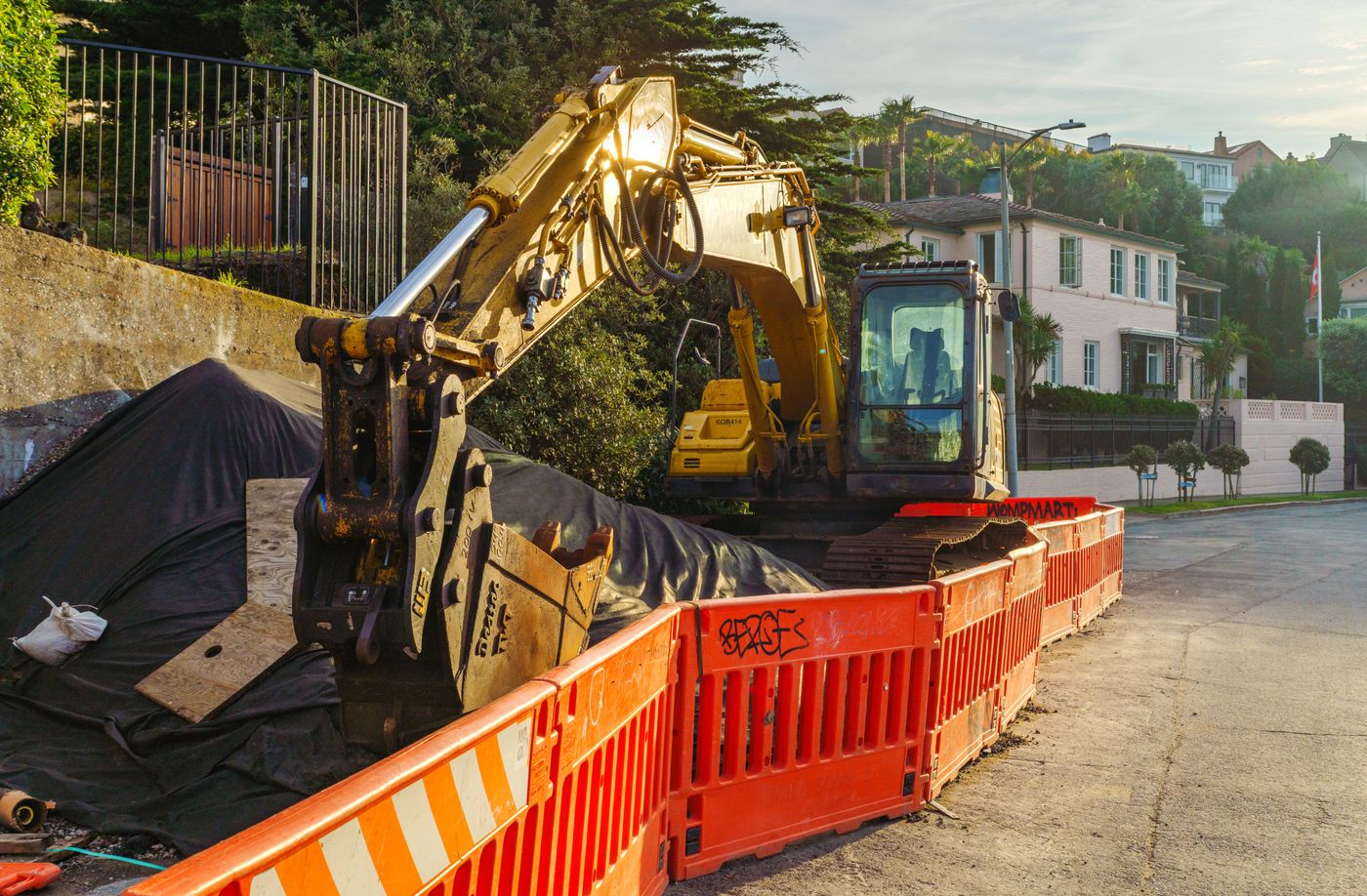
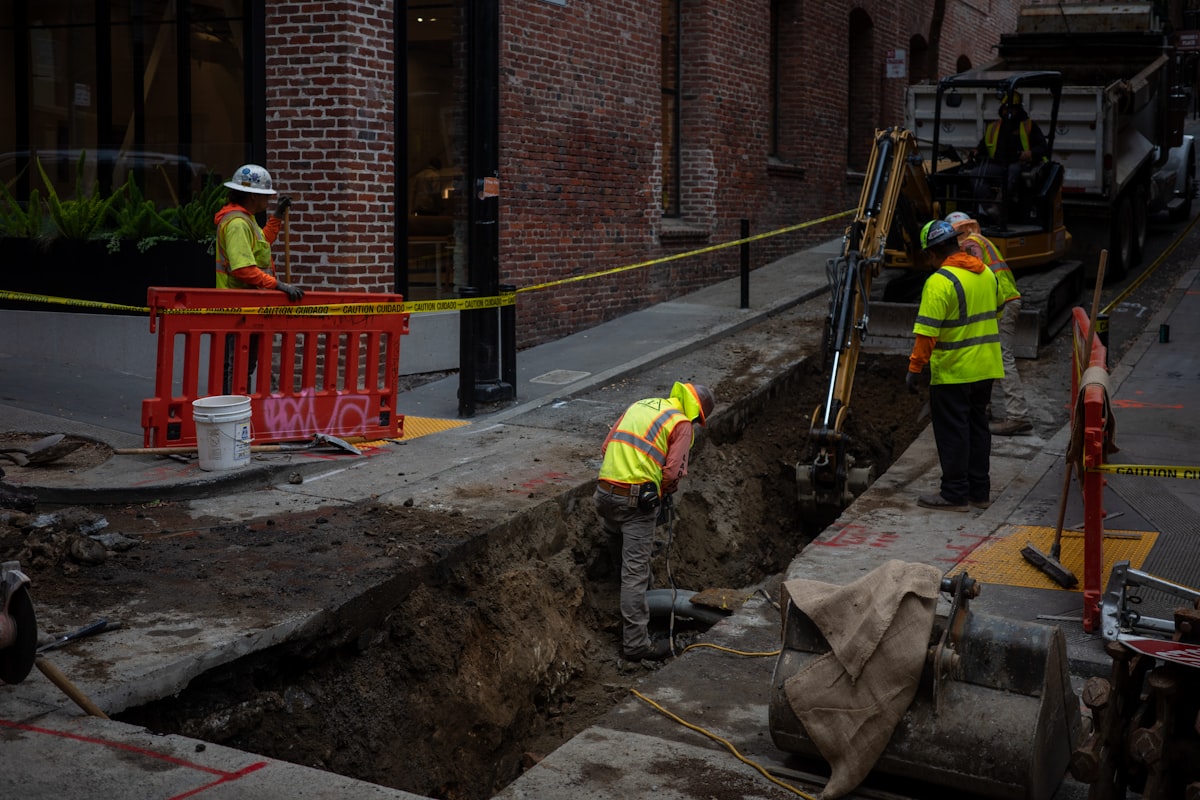
When the pipe is intact enough to host a new one, trenchless sewer repair rehabilitates the line from the inside instead of digging the length of your yard. For most Newark homes with an aging but still continuous lateral, it is the faster, cleaner option, and it leaves you with a pipe that should outlast the house.