



24/7 Emergency ServicesEast Bay, Peninsula & South Bay
Licensed & insured · CSLB #690624 Licensed | #690624
QualityPlumbing

Repiping in Newark & the East Bay

Whole-home copper and PEX repiping to fix recurring leaks, low pressure, and rusty water.

5.0

on Google

Licensed & insuredSince 1994
What we handle

Quality Plumbing handles repiping for homes and businesses across Newark, Fremont, and Union City. Every job starts with a clear diagnosis and the price upfront, before any work begins.

What is included

  • Whole-house PEX repipe
  • Copper repipe
  • Partial repipe / section replacement
  • Water main line replacement
Quality Plumbing repiping
Local & family-owned since 1994
In depth

Everything that goes into repiping, broken into clear sections and explained in plain language.

Why older East Bay supply lines fail
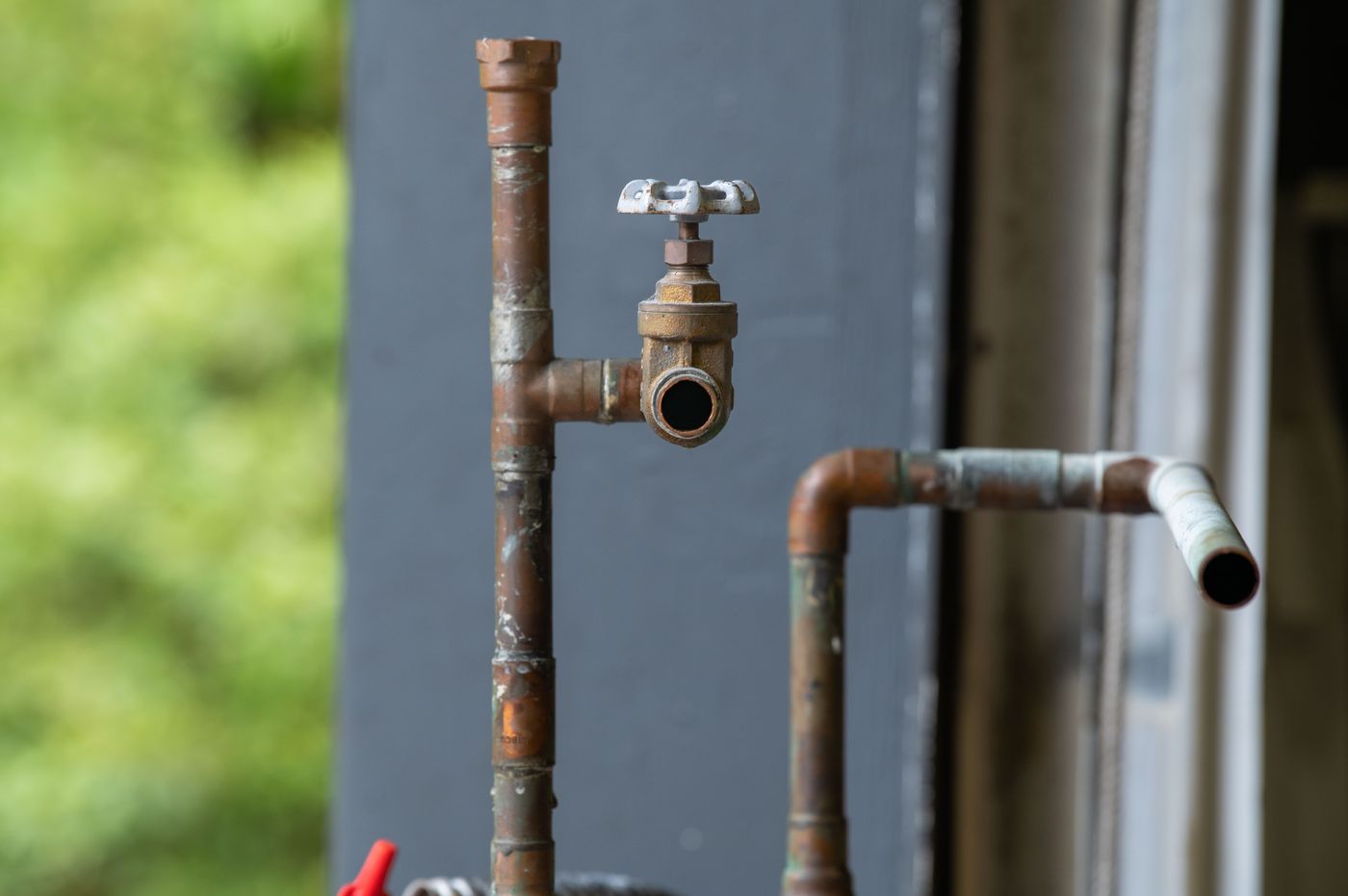
Aged copper water supply pipes and a brass shutoff valve showing surface corrosion and oxidation

A lot of the homes we work in across the East Bay were built between the 1950s and the 1970s, and many still run on the original galvanized steel supply piping. Galvanized pipe corrodes from the inside out. The zinc coating wears away, rust and mineral scale build up on the interior walls, and the usable diameter of the pipe slowly closes in. You cannot see this from the outside, so the pipe can look fine while the inside is nearly choked off.

Our moderately hard ACWD water in the Tri-City area adds to it. Scale settles in the same spots where corrosion is already narrowing the line, which speeds up the loss of flow. By the time most homeowners call us, the pipe has been declining for years.
Signs it is the pipes, not the fixture

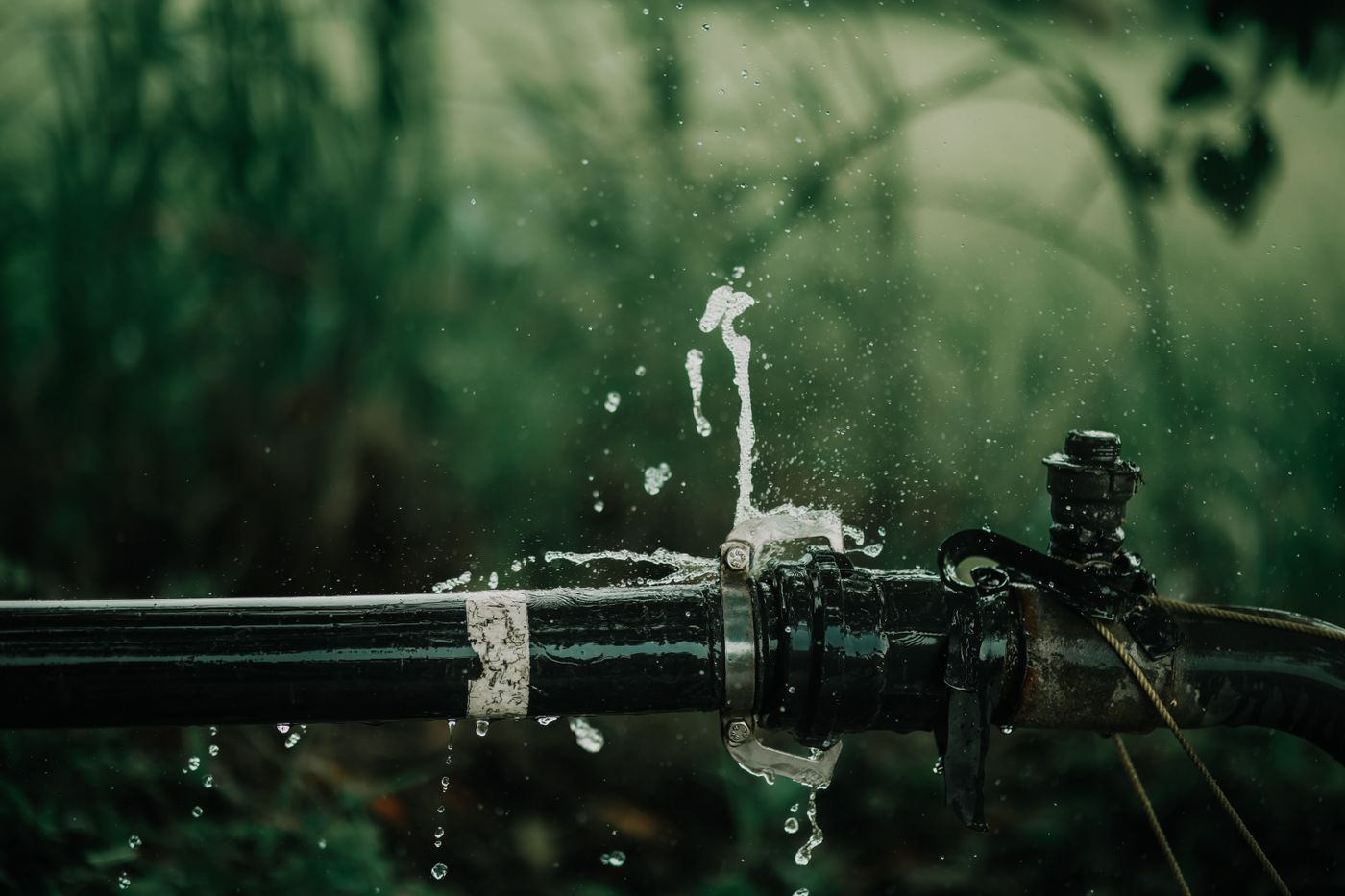
Water spraying from a failed joint on a metal pipe where the fitting has given way

When pressure drops at one faucet, the problem is usually that fixture: a clogged aerator, a bad cartridge, or a stop valve that is partly closed. We always check the cheap, local causes first, because a repipe is a real project and you should not pay for one you do not need.

When pressure falls off across the whole house, when hot water runs weaker than cold (the hot lines scale faster), when you see rusty or discolored water on the first draw in the morning, or when you start getting pinhole leaks in more than one spot, that pattern points to the supply piping itself. One pinhole in old galvanized usually means more are coming, because the whole run is the same age and in the same condition.

PEX, copper, and section repipes

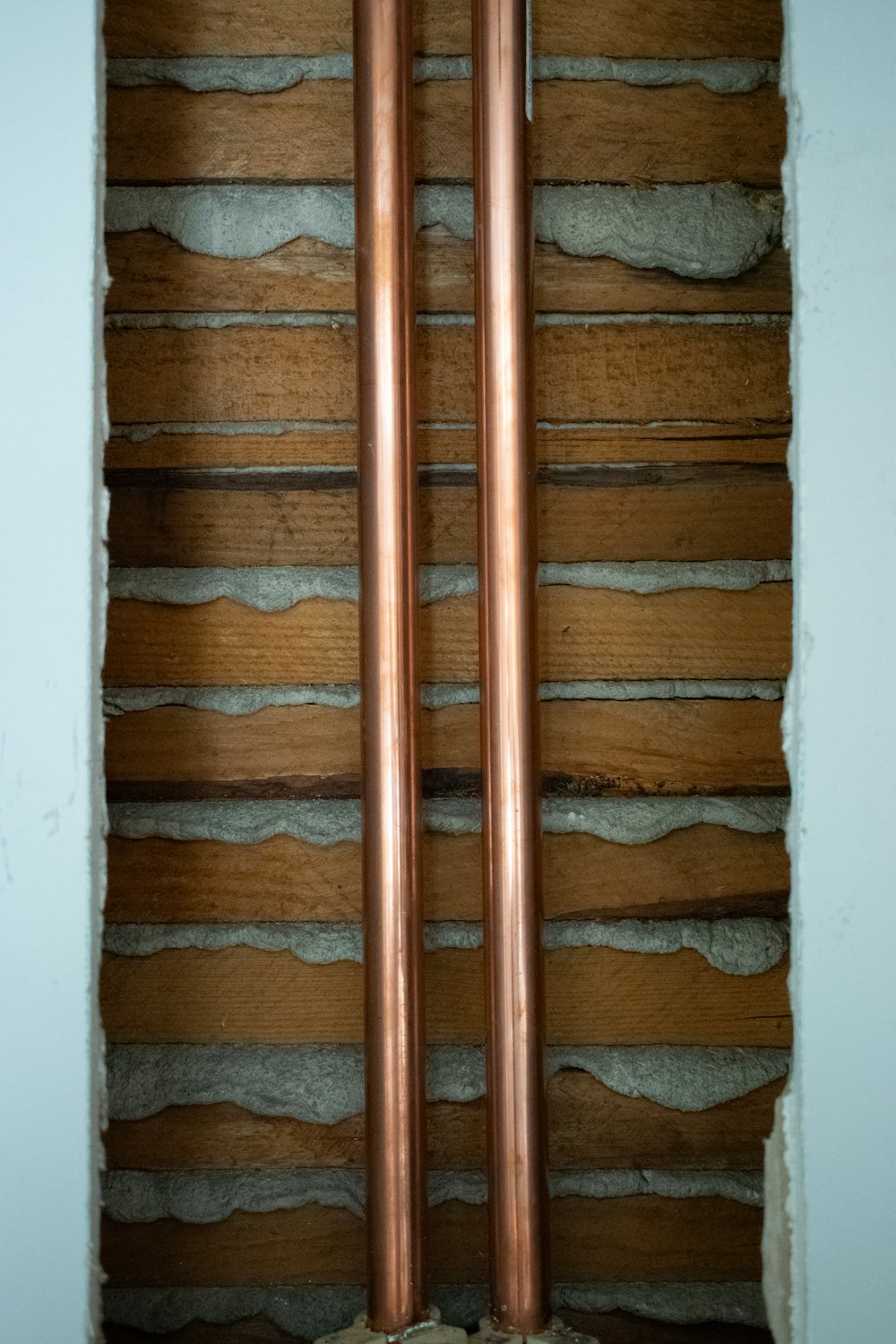
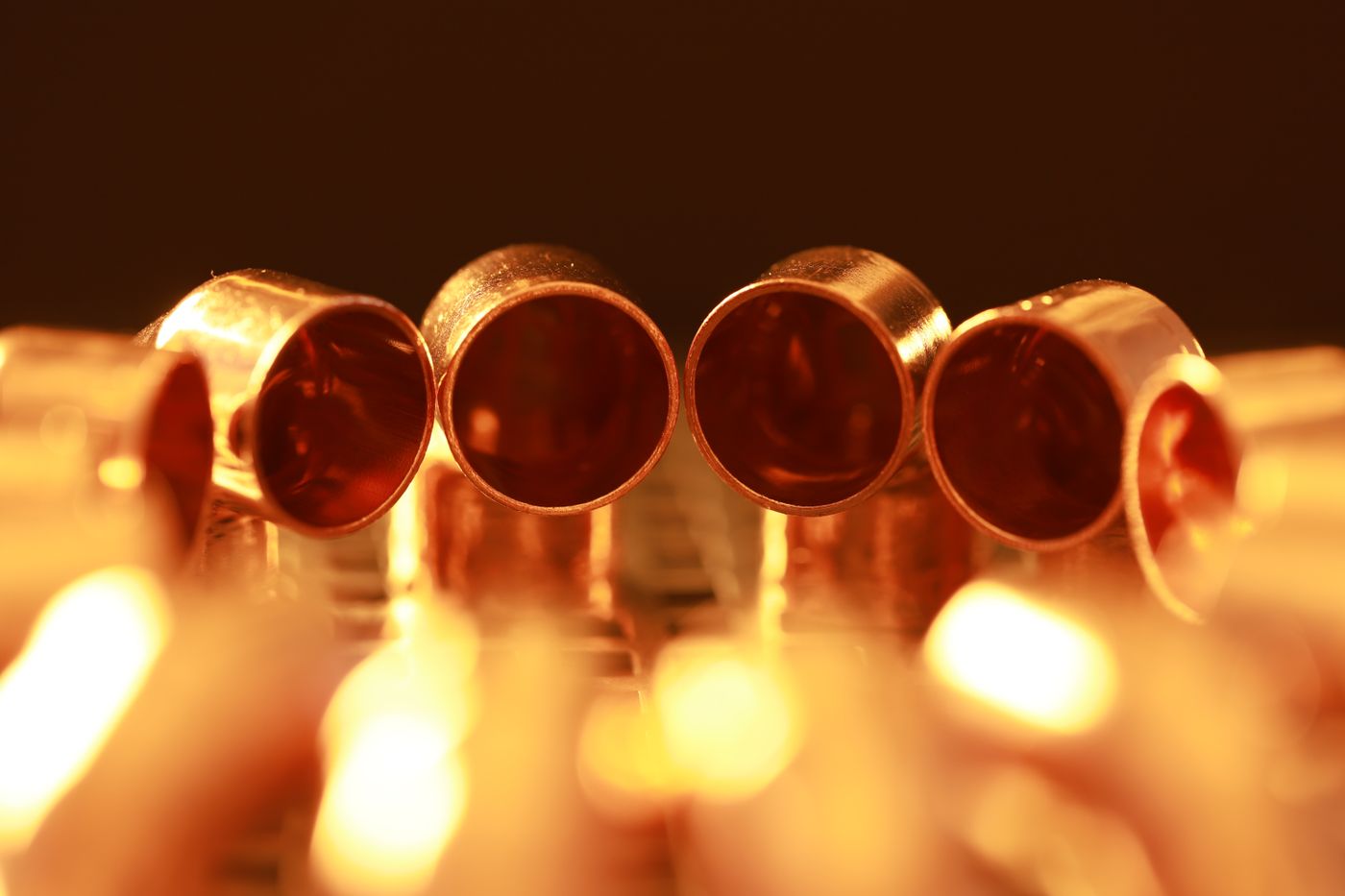
Close-up of cut copper pipe ends and couplings used in plumbing repipe work

We replace supply lines with either PEX or copper. PEX is flexible, which means fewer fittings and joints, and it can often be routed through existing wall and ceiling cavities with smaller access openings, so there is less to patch afterward. It also handles our hard water and any seasonal cold well. Copper is rigid and time-proven, and some homeowners simply prefer it. Both are good materials installed correctly. We will walk you through the trade-offs for your house rather than pushing one.

A partial or section repipe replaces only a defined run, for example one bad branch or the line feeding a single bathroom. It can be the right call when the failure is genuinely isolated and the rest of the system is sound. We are honest about the limit here: if the whole house is original galvanized of the same vintage, replacing one section often just moves the next pinhole leak down the line. In that case a whole-home repipe usually costs less over time than chasing repeated repairs through finished walls.

Planning the job to limit wall damage

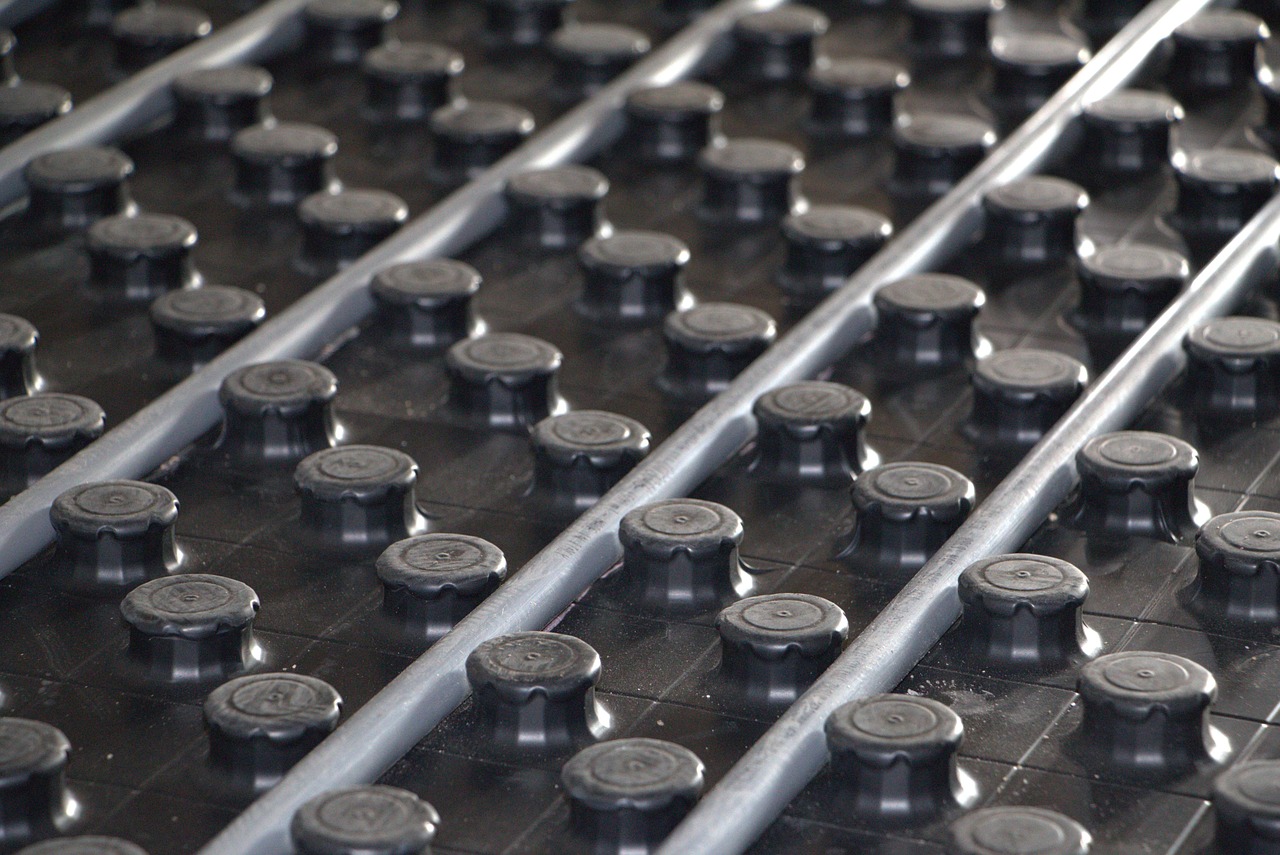
New flexible pipe being laid into a studded insulation panel during a rough-in installation

Most of the disruption in a repipe is not the pipe, it is the drywall. So before we cut anything, we map the existing routing and plan access points that follow the path of the old lines and use closets, the garage, the attic, or the crawlspace wherever we can reach them. The goal is the fewest, smallest openings that still let us do clean, inspectable work.

We will tell you up front roughly where the access openings need to be and what will be left open for the inspector. We make controlled cuts and leave them ready for patching. Drywall finishing and paint are usually handled separately, and we are clear about that boundary before we start so there are no surprises.

Permit, inspection, and when to call us

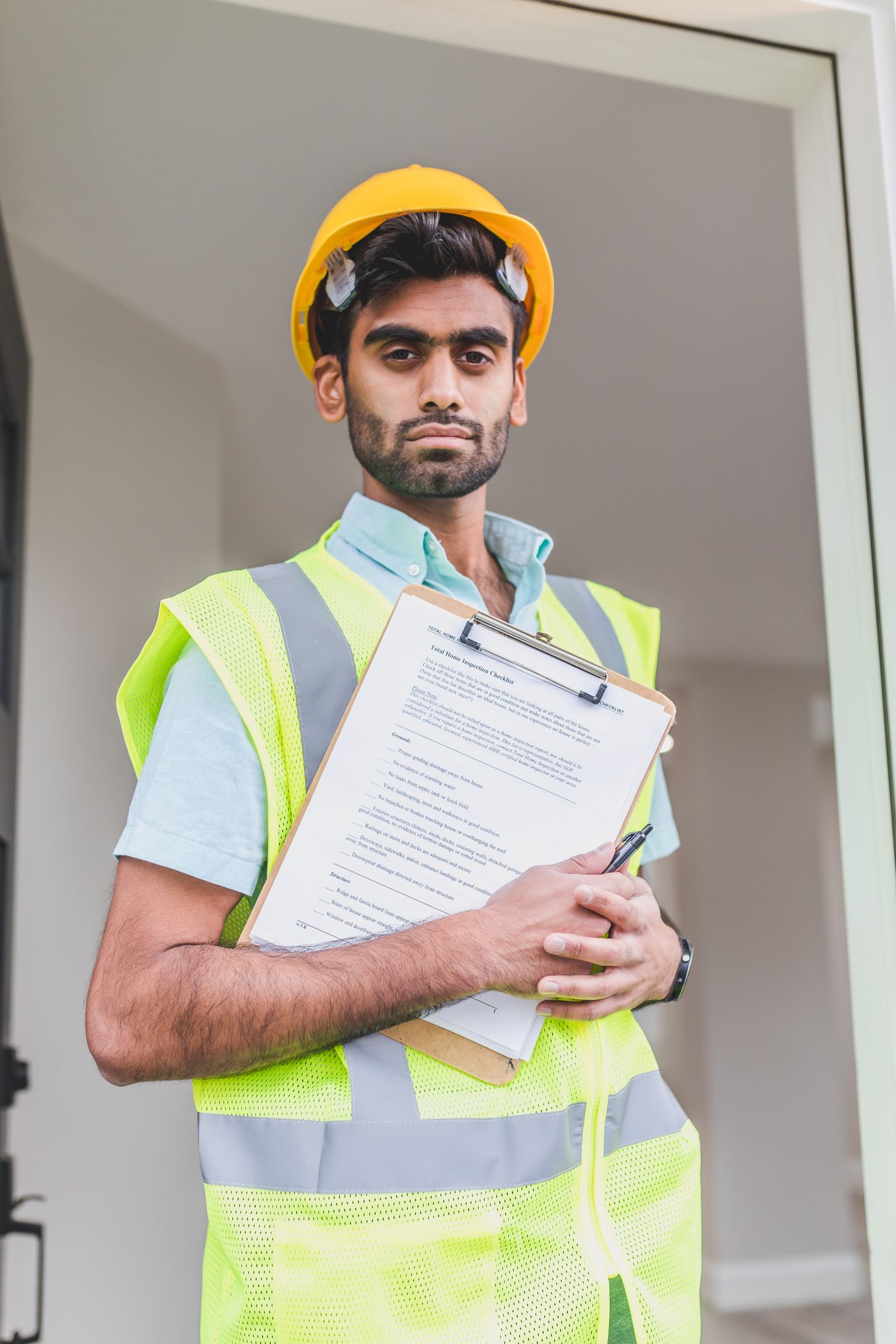
A worker in a hard hat and hi-vis vest holding a clipboard with a home inspection checklist in a doorway

Repiping is permitted work in East Bay cities. We pull the permit, schedule the inspection, and leave the new lines open where the inspector needs to see them before anything gets closed up. That paper trail protects you when you sell the home, and it means the work was checked by someone other than the person who installed it.

If you have a single active leak or sudden total loss of water, treat it as an emergency and call us, because we are available 24/7 and stopping water damage comes first. A full repipe, on the other hand, is planned work we schedule with you. One thing that is not on us: if the low pressure or discoloration is happening at the street side or across your neighborhood, that can be a water main or utility issue, and the right first call is the water district, not a plumber.

Watch for

Signs you may need a repipe

If a few of these line up in your home, it is worth a professional eye before a small problem turns into an expensive one.

  1. Water pressure has dropped across the whole house, not just at one fixture

  2. Hot water runs noticeably weaker than cold, a clue the hot lines are scaling and corroding

  3. Rusty, brown, or discolored water on the first draw after the taps have sat overnight

  4. More than one pinhole leak in supply lines, especially in a home with original galvanized piping

  5. The home is from roughly the 1950s to 1970s and still has its first-generation steel supply pipes

  6. Repeated leak repairs in finished walls or ceilings that keep coming back in new spots

Service areas

Local repiping near you

FAQ

Common repiping questions

Quality PlumbingOnline now · replies fast

How do I know if my home needs repiping?

You

Rusty or discolored water, low pressure, frequent pinhole leaks, or old galvanized pipe are the big signs. If you're patching leaks every few months, a repipe usually costs less than the ongoing repairs.

Quality Plumbing

PEX or copper, which should I use?

You

Both are solid. PEX is flexible, faster to install, and budget-friendly; copper is time-tested and great for exposed runs. We'll walk through what fits your home and budget.

Quality Plumbing

How disruptive is a whole-home repipe?

You

Less than people expect. We plan the access points to limit wall openings, keep your water on as much as possible, and clean up after. Most homes are done in a few days.

Quality Plumbing
Get in touch

Schedule your service today

Opening Hours

Monday - SaturdayOpen 24 hours
Emergencies24/7
Open now

Nights, weekends, and holidays included. When you call, a real local plumber answers, never a machine.

Our Location

What our customers say

Our Reviews

Read our reviews on Google and tell us how we did. Honest feedback is how we keep our work accountable across Newark and the East Bay.

Leave a Google review
Ready when you are

Need repiping in Newark?

Call now for fast, friendly service, or book online in under a minute. A real, local Newark plumber, 24/7.

Licensed & insured 24/7 emergency service No surprises, no upsells