



Hard water and your San Jose water heater
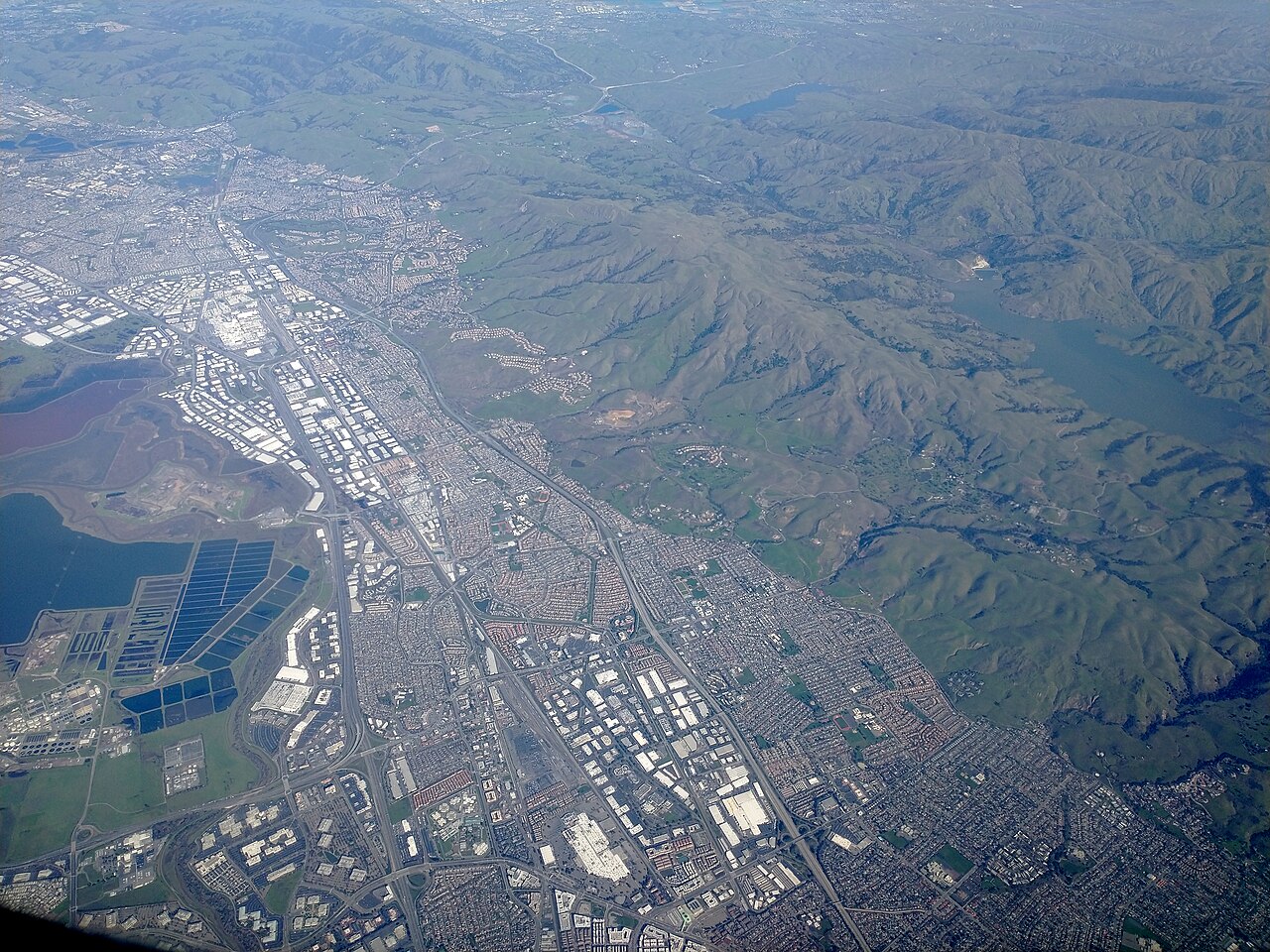
Most San Jose homes are served by San Jose Water, and the groundwater in this valley runs hard to very hard, often in the range of 10 to 16 grains per gallon. That is not a cosmetic detail. Every grain of hardness is dissolved mineral, and when that water gets heated, the minerals drop out as scale. Inside a tank water heater they settle to the bottom and bake into a crust that insulates the burner from the water, so the unit works harder, runs longer, and wears out years before it should. On fixtures and valves around Almaden Valley and Cambrian Park, the same minerals show up as the white crust on aerators and the stiff, leaky shutoffs we replace constantly.
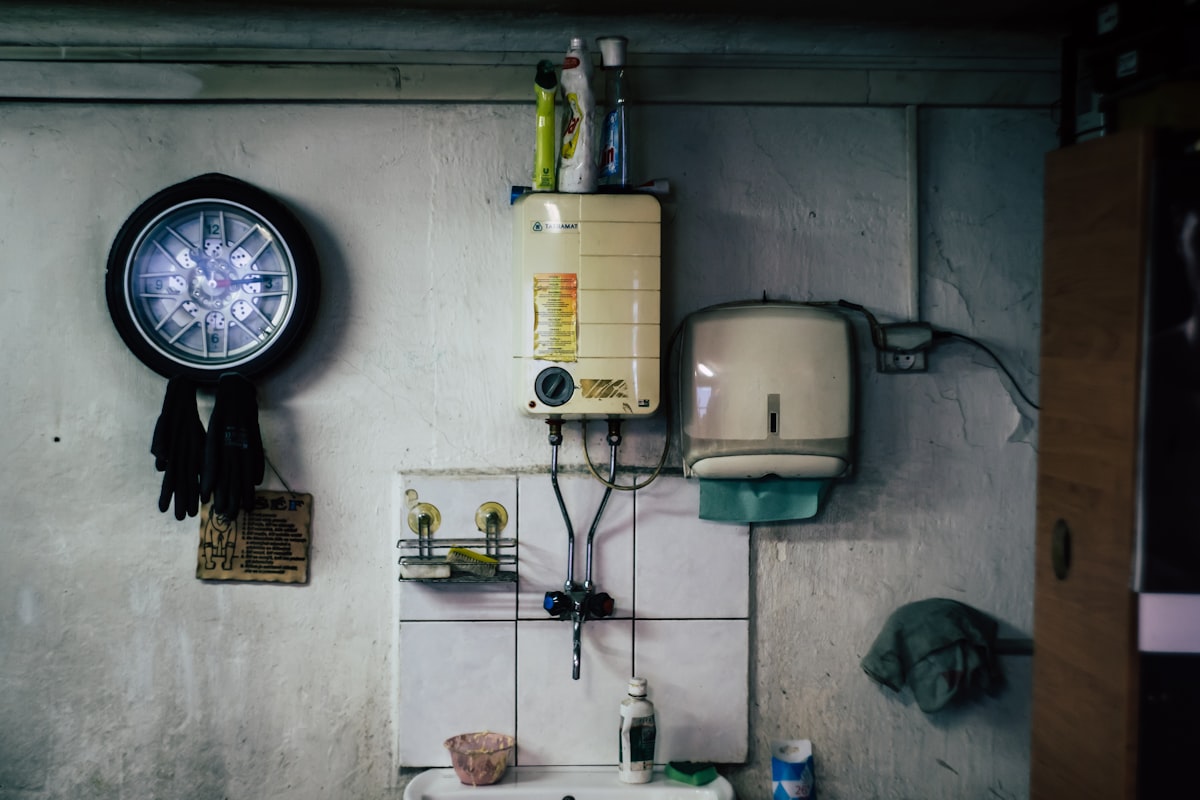
Tankless units are even less forgiving of San Jose water. The heat exchanger has narrow passages, and at 10 to 16 grains those passages scale up fast unless the unit is descaled on a schedule. We have seen tankless heaters here lose efficiency and start short-cycling well before their time simply because nobody flushed them. When we install or service a tankless in San Jose, we plan for the hardness from the start, because pretending the water is soft is how you end up replacing a unit early.
None of this means you have to chase every gallon of hardness out of your home, but it does mean a San Jose water heater should be sized, installed, and maintained with the local water in mind. We will tell you honestly whether a softener or a maintenance flush makes sense for your house, or whether you are fine just keeping an eye on the anode rod and the sediment. The water here is a known quantity, so there is no reason to be surprised by it.