




24/7 Emergency ServicesEast Bay, Peninsula & South Bay
Licensed & insured · CSLB #690624 Licensed | #690624
QualityPlumbing

Sump Pump Services in Newark & the East Bay

Protect against flooding with sump pump repair, replacement, and battery backup installs.

5.0

on Google

Licensed & insuredSince 1994
What we handle

Quality Plumbing handles sump pump services for homes and businesses across Newark, Fremont, and Union City. Every job starts with a clear diagnosis and the price upfront, before any work begins.

What is included

  • Sump pump repair
  • Sump pump & backup install
Quality Plumbing sump pump services
Local & family-owned since 1994
In depth

Everything that goes into sump pump services, broken into clear sections and explained in plain language.

What a sump pump does and where it lives
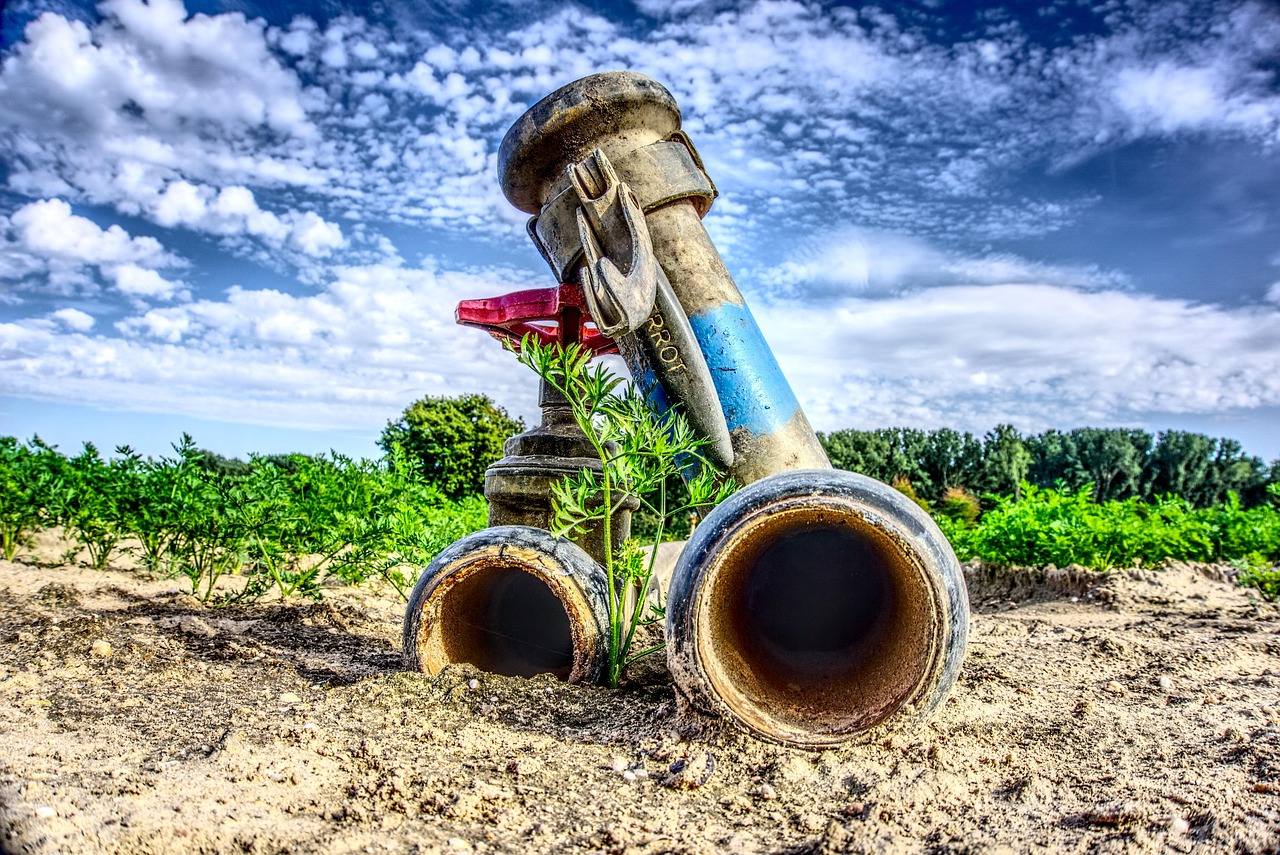
Shut-off valve on a water supply pipe

A sump pump sits in a pit dug into the lowest point of a basement or crawlspace floor. Groundwater that seeps in through the foundation, or rainwater that drains down from the yard, collects in that pit. When the water rises to a set level, a float switch triggers the pump, and the pump pushes the water out through a discharge line that empties away from the house. The goal is to keep the space below your living area dry before moisture can do damage to the structure, the insulation, or anything stored down there.

In the East Bay the setup is a little different from wetter climates. Many homes here sit on a concrete slab with no basement at all, so a sump pump is less common than in the Pacific Northwest or the Midwest. Where they do appear in our area, it is usually in homes with a crawlspace, in properties that sit at the base of a slope where runoff concentrates, or in older homes with older grading that lets water pool near the foundation. When the first real storm of the season arrives after a long dry summer, the ground is hard and water sheds quickly, and a crawlspace without a working pump can take on several inches of standing water in a matter of hours.
Signs your sump pump is failing

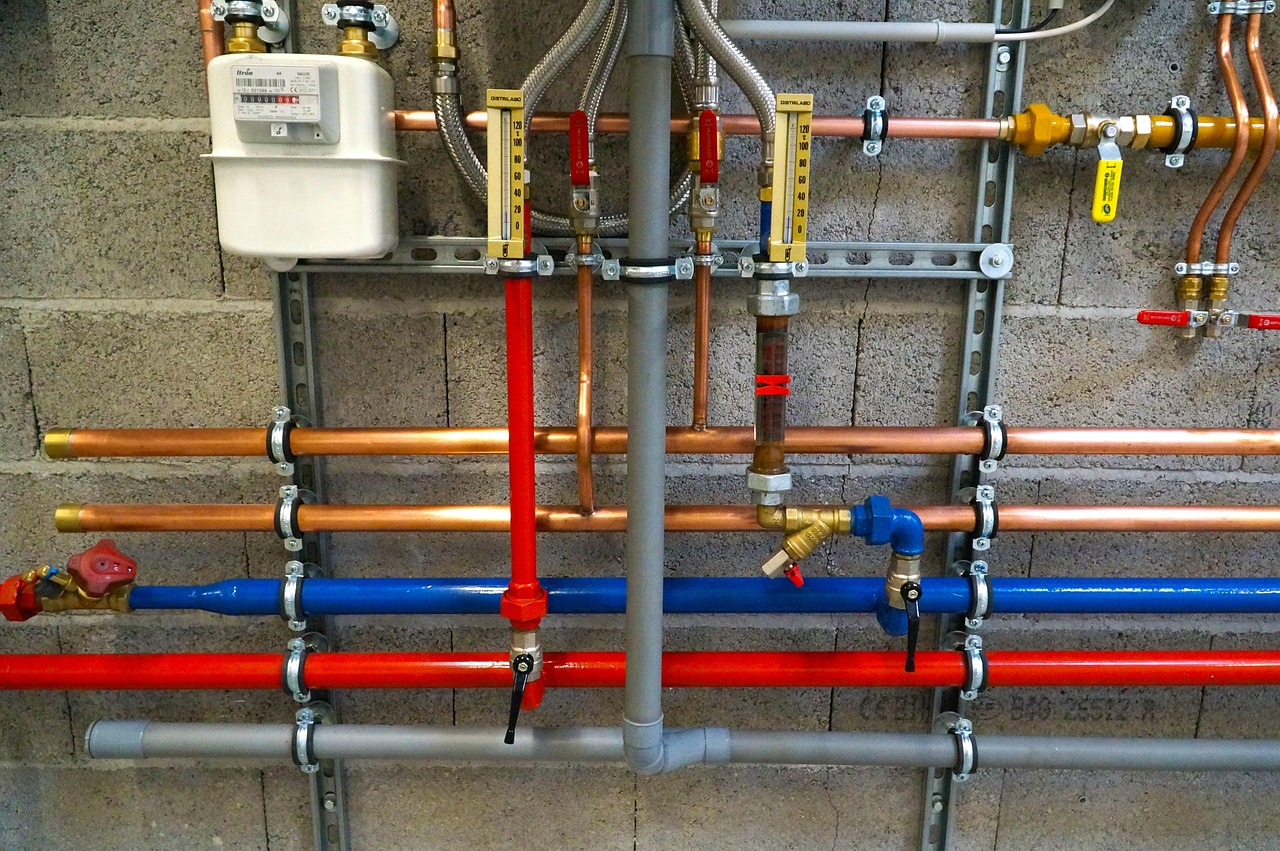
Copper and PEX water lines on a wall manifold

A pump that runs constantly, even when it has not rained recently, is one of the most common signs something is wrong. It can mean the float switch is stuck in the on position, that the discharge line has a partial blockage or a check-valve failure that lets the same water cycle back in, or that the pit itself is not draining correctly. Running nonstop burns out the motor faster than normal use ever would, so this one is worth catching early.

A pump that will not turn on at all is the other side of the problem. This shows up as standing water in the sump pit or crawlspace with no pump activity. Causes include a tripped breaker, a failed float switch, a burned-out motor, or a pump that has seized from sitting idle for most of a dry year. Unusual noises (grinding, rattling, or a high-pitched whine) usually mean something is wrong with the impeller or bearing. Visible rust on the casing or around the fittings is worth noting too, especially on older cast-iron units, because corrosion works inward and a rusted pump housing is close to the end of its useful life.

Primary pumps and battery-backup systems

A plumber working on pipes under a fixture

Most sump pits run a single primary pump connected to your home's electrical panel. That handles normal groundwater intrusion through most of the year. The vulnerability is a power outage, which in the East Bay often arrives at exactly the wrong time: during or just after a major storm when the grid is already stressed and the ground is already saturated. A primary pump with no power is the same as no pump.

A battery-backup system addresses this directly. It consists of a separate pump connected to a deep-cycle battery that stays charged during normal operation and kicks in automatically when the primary pump loses power or is overwhelmed. The battery gives you a window of protection while the outage lasts, enough time for the storm to pass and the grid to recover in most cases. Some homeowners also choose a combination unit where the primary and backup share one pit assembly. Either way, a backup system is not overcautious here. The East Bay winters that bring the most water are also the ones most likely to knock out power, so the two failures tend to travel together.

Testing and keeping the pump ready

A sump pump can sit completely idle for eight or nine months in a dry East Bay year. That long idle period is exactly how pumps get found dead on the first big rainy day in November. Seals dry out, impellers corrode, and float switches stick. The pump looked fine the last time anyone checked, because no one checked. The only way to know a pump will run when it has to is to test it: pour enough water into the pit to lift the float, confirm the pump activates, and watch it discharge. If it does not respond, you have found the problem while the weather is still dry.

Beyond testing, the discharge line is worth a look every season. It should terminate well away from the foundation and slope down toward the exit point so water does not sit in the line and freeze or flow back in. A check valve on the discharge prevents backflow when the pump shuts off. Clearing any debris from the pit screen and making sure the intake is not clogged takes a few minutes. For battery-backup systems, the battery itself needs to be checked and eventually replaced, since a battery that has not been tested in several years may not hold enough charge to matter when the power goes out.

When a flooded crawlspace points to the pump

The pattern we see most often is a homeowner who discovers standing water in the crawlspace during the first significant storm of the season, calls us, and discovers that the sump pump had been failing or already dead. Because the East Bay has a genuine dry season, there can be months between the last time the pump ran and the first time it was needed again. Nobody noticed it had stopped working because nothing had asked it to work.

Once the water is there, the pump alone is not the whole job. Standing water under a home can saturate subfloor insulation, promote mold and mildew on wood framing, and create conditions that attract pests. Getting the pump working again stops the water coming in. What it does not do is remove the water that is already there or address any damage that has already started. We can assess the pump, replace or repair what failed, and help you understand whether the water situation calls for anything beyond the pump itself. If you have standing water and you are not sure whether your pump is working, that is the moment to call, not after you have waited through another week of rain.

Watch for

Signs you should have your sump pump checked

If a few of these line up in your home, it is worth a professional eye before a small problem turns into an expensive one.

  1. The pump runs continuously even when it has not rained, which usually means a stuck float, a failed check valve, or a discharge line problem

  2. You find standing water in the crawlspace or sump pit with no sign the pump activated

  3. The pump makes grinding, rattling, or whining sounds during a run cycle

  4. Visible rust on the pump casing, discharge fittings, or pit hardware on an older unit

  5. The pump has not been tested since last season, or you do not know the last time it ran

  6. Your home has no battery backup and you lost power during the last major storm while it was still raining

FAQ

Common sump pump services questions

Quality PlumbingOnline now · replies fast

How do I know if my sump pump is failing before it becomes a problem?

You

A few things to watch for: the pump runs constantly or not at all, you hear grinding or rattling when it kicks on, or the pit has standing water even after a dry spell. If it's been more than seven or eight years, it's worth having us take a look before the rainy season hits.

Quality Plumbing

Why do I need a battery backup if my sump pump already works fine?

You

Because the storms that cause the most flooding are the same ones that knock out power. A battery backup keeps the pump running when the grid goes down, which is exactly when you need it most. We install them alongside your primary pump so you're covered no matter what the weather throws at your home.

Quality Plumbing

Can I just test my sump pump myself, or should I have a plumber check it?

You

You can do a basic test by pouring a bucket of water into the pit and watching it kick on, but that won't catch a worn motor, a stuck float, or a discharge line issue. We recommend a professional inspection each fall so any problems get caught before the rains arrive, not during them.

Quality Plumbing
Get in touch

Schedule your service today

Opening Hours

Monday - SaturdayOpen 24 hours
Emergencies24/7
Open now

Nights, weekends, and holidays included. When you call, a real local plumber answers, never a machine.

Our Location

What our customers say

Our Reviews

Read our reviews on Google and tell us how we did. Honest feedback is how we keep our work accountable across Newark and the East Bay.

Leave a Google review
Ready when you are

Need sump pump services in Newark?

Call now for fast, friendly service, or book online in under a minute. A real, local Newark plumber, 24/7.

Licensed & insured 24/7 emergency service No surprises, no upsells