



24/7 Emergency ServicesEast Bay, Peninsula & South Bay
Licensed & insured · CSLB #690624 Licensed | #690624
QualityPlumbing

Drain Cleaning in Newark & the East Bay

Fast clearing of kitchen, bathroom, and main-line clogs with cabling and camera inspection.

5.0

on Google

Licensed & insuredSince 1994
What we handle

Quality Plumbing handles drain cleaning for homes and businesses across Newark, Fremont, and Union City. Every job starts with a clear diagnosis and the price upfront, before any work begins.

What is included

  • Drain snaking / cabling
  • Hydro-jetting
  • Sewer camera inspection
  • Main line clog clearing
Quality Plumbing drain cleaning
Local & family-owned since 1994
In depth

Everything that goes into drain cleaning, broken into clear sections and explained in plain language.

What drain cleaning actually fixes
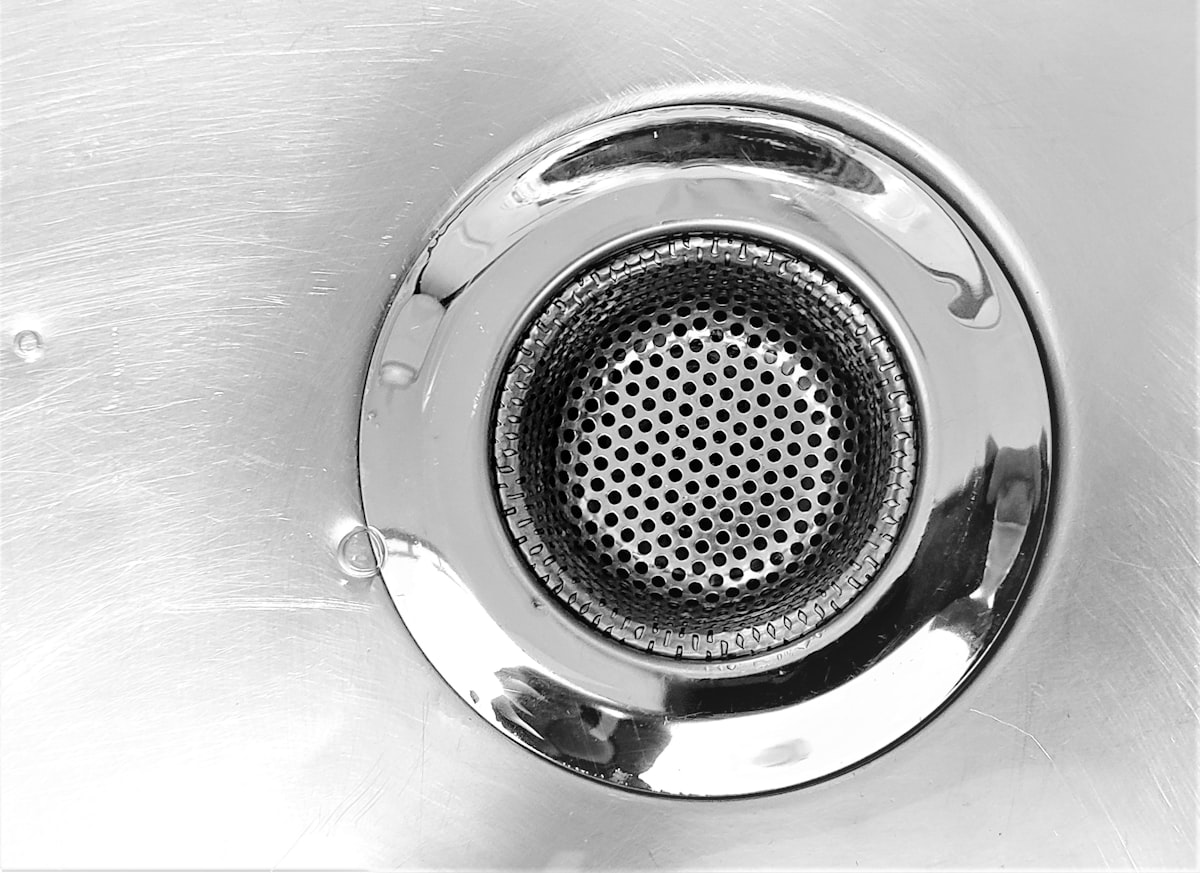
Close-up of a stainless steel sink drain with a perforated strainer and water and grime around the opening

A clog almost always traces back to one of three places, and where it sits tells us how to clear it. Kitchen lines slow down from cooked grease and food that cools and hardens on the pipe wall. Bathroom drains (sinks, tubs, showers) clog from hair, soap, and toothpaste building into a mat. A main line that backs up, where more than one fixture gurgles or drains slowly at the same time, points further downstream, often to the sewer lateral that carries waste out to the street.

We start by figuring out which of these we are dealing with before we run any equipment. A single slow sink is a local problem. Several fixtures backing up at once, or a toilet that bubbles when you run the washer, is a main-line problem, and the two get handled very differently.
Cabling versus jetting, and when we use each

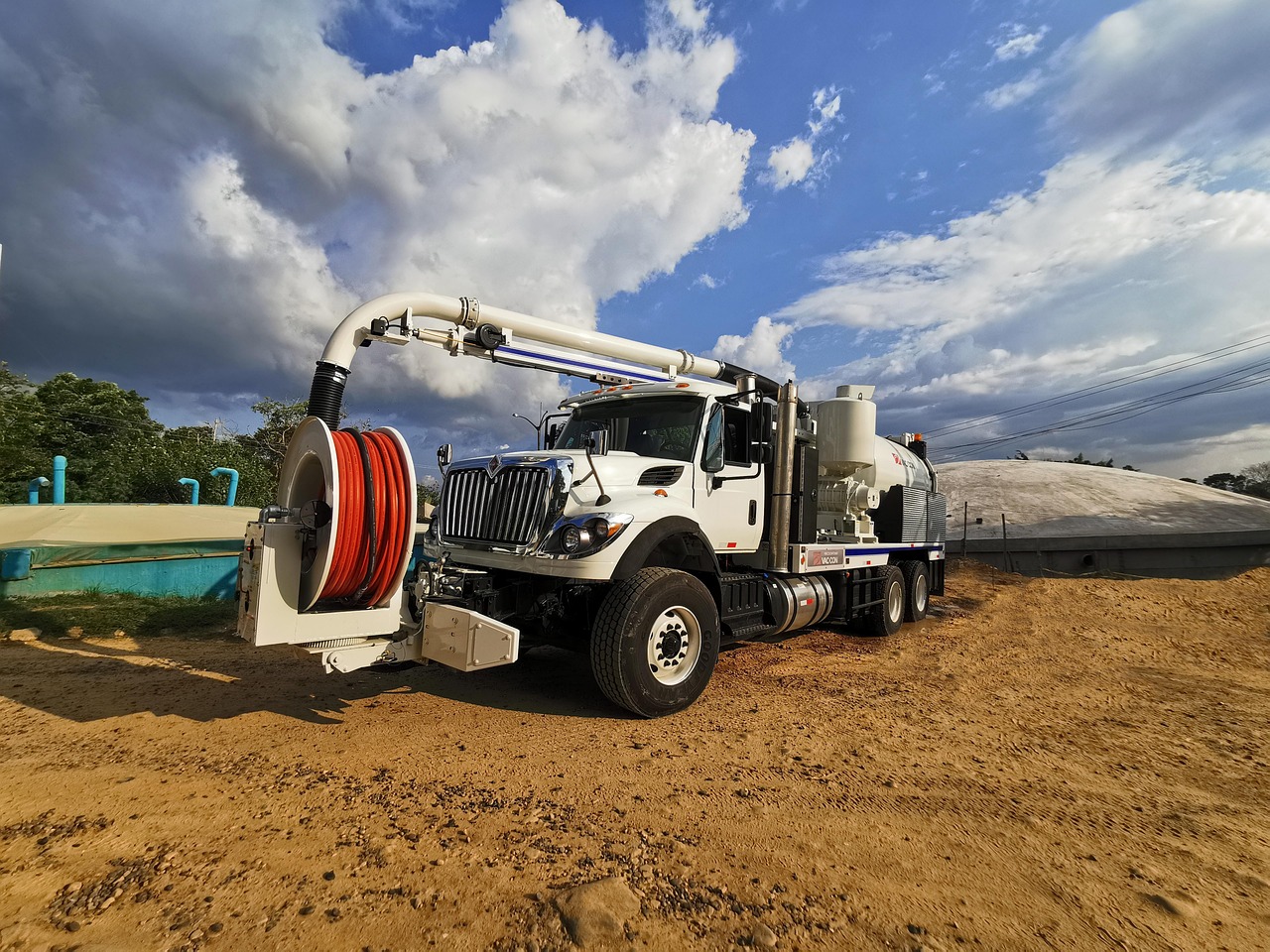
A sewer and drain cleaning vacuum jetter truck with a large hose reel parked at a worksite

A cable (also called a snake or auger) is a steel line we feed into the drain to punch through or hook out a blockage. It is the right tool for a lot of everyday clogs: a hairball in a shower trap, a wad of wipes in a toilet line, a soft food clog under the sink. It clears a path quickly and gets the fixture draining again.

Hydro-jetting is different. It sends water through the pipe at high pressure and scours the full inside wall, so it removes the grease, scale, and root hairs that a cable only pokes a hole through. We reach for jetting on greasy kitchen and main lines, on pipes with hard-water scale buildup (common on Alameda County water), and on lines where roots have worked in at the joints. Jetting is not always needed, and on old or already-cracked pipe it can do more harm than good, which is why we look before we jet.

Why we put a camera down the line

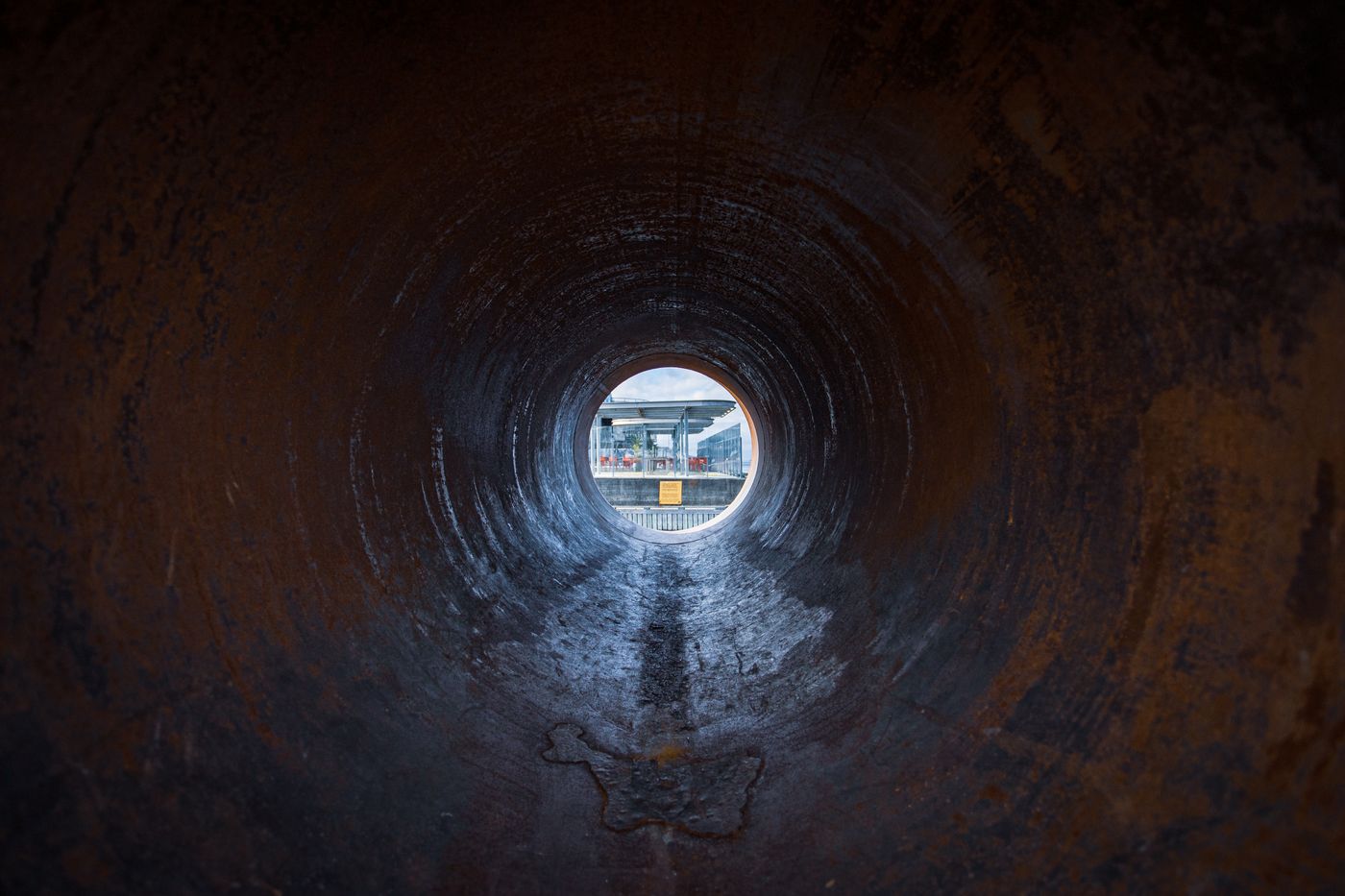
View down the rusty interior of a large pipe toward a bright opening, similar to what a drain inspection camera sees

Clearing the clog gets your water moving again, but it does not tell you why the line clogged. A sewer camera does. We run it through the cleared line to see the actual pipe: whether it is grease, a belly that holds standing water, roots pushing through a joint, or a section of pipe that has cracked or shifted.

We do not camera every basic clog, and we will tell you when it is overkill. Where it earns its keep is on a recurring problem or a main-line backup, because it turns a guess into a clear picture of what is wrong and where it sits in the run.

When it is the pipe, not the clog

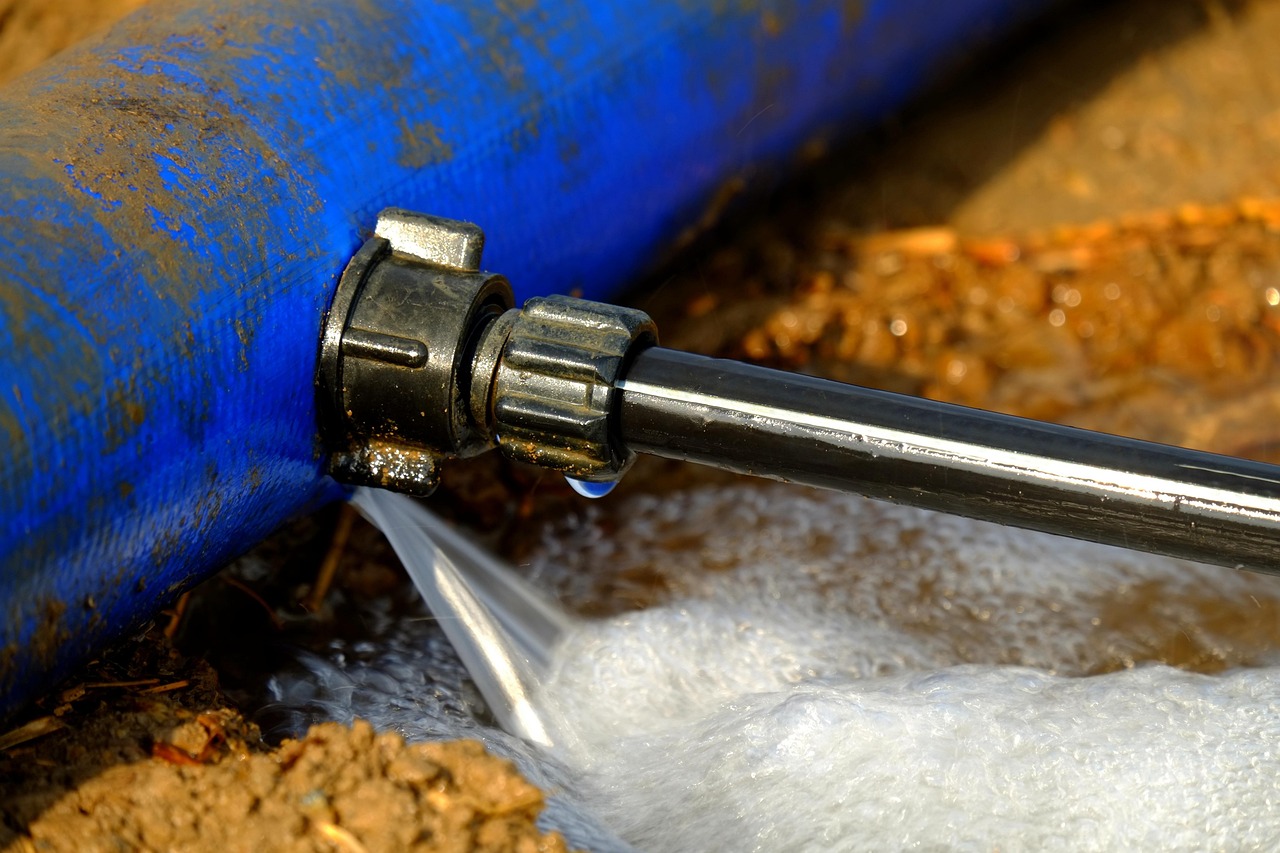
Water spraying from a leak at a fitting on a damaged underground pipe

A lot of East Bay homes were built in the 1950s through the 1970s, and many still have their original clay or cast-iron sewer laterals. Clay joints separate and let roots in. Cast iron rusts and scales from the inside until the opening narrows. When that is what is happening, snaking buys you a few weeks or months and then the same backup returns.

We will be straight with you about that. If the camera shows a failing line, paying to snake it again and again is throwing money at a symptom. At that point the honest fix is a repair, a lining, or replacement of the bad section, and we would rather show you the footage and talk through real options than sell you another temporary clearing.

Before you call, and when to call the city

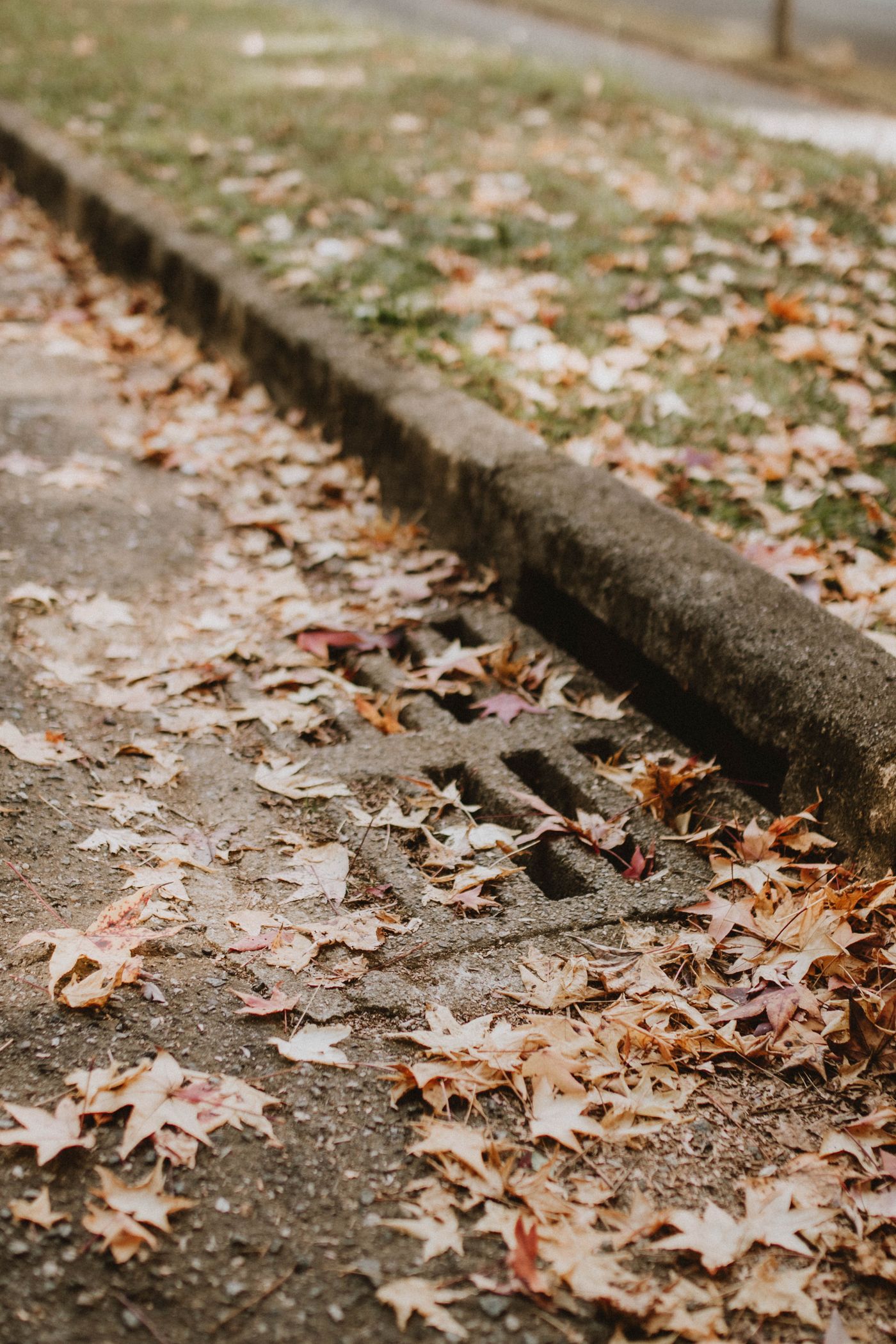
A curbside street storm drain grate set into a concrete gutter, partly covered with fallen autumn leaves

Some clogs you can handle yourself, and we are happy to say so. A single slow sink often clears with a plunger or by cleaning the trap, and on a greasy kitchen line a kettle of hot water can beat a service call. What we would skip is the heavy chemical drain opener: it rarely fixes a real clog and it can damage older pipe and make our work (and yours) harder and more hazardous.

One important line to draw: we clear the part of the system that belongs to your home, from the fixtures out to the public connection. If sewage is backing up into multiple homes on your street, or you suspect the blockage is in the public main, that is the water or sewer utility's responsibility, and you should call them. If you are not sure which side the problem is on, call us. We can usually tell from the symptoms and a quick look, and we will point you to the utility if it turns out to be theirs.

Watch for

Signs you should have a drain looked at

If a few of these line up in your home, it is worth a professional eye before a small problem turns into an expensive one.

  1. More than one fixture is slow or backing up at the same time, which usually points to the main line rather than a single drain

  2. A drain you have already snaked clears for a while and then clogs again, a pattern that often means the pipe itself is failing

  3. Gurgling sounds or water rising in one fixture when you run another (a toilet bubbling when the washer drains, for example)

  4. Sewage smell indoors or near a cleanout, or any wastewater coming back up where it should be going down

  5. Kitchen lines that drain slower over time, a common sign of cooked grease and hard-water scale narrowing the pipe

  6. Older clay or cast-iron sewer lateral plus repeat backups, worth a camera look to check for root intrusion or a cracked section before you pay to snake it again

FAQ

Common drain cleaning questions

Quality PlumbingOnline now · replies fast

Why does my drain keep clogging?

You

Usually grease and scale buildup, roots getting into the line, or a pipe starting to sag. We put a camera in to find the real cause so you fix it once instead of snaking it every few weeks.

Quality Plumbing

Do you snake or hydro-jet drains?

You

Both, depending on the clog. A cable/snake clears most everyday backups; hydro-jetting scours grease and roots out of the whole pipe wall for a longer-lasting clean. We'll tell you which one your line actually needs.

Quality Plumbing

Will you show me what's causing the clog?

You

Yep. For repeat or main-line clogs we run a sewer camera and show you on screen exactly what's going on, so you're not just taking our word for it.

Quality Plumbing
Get in touch

Schedule your service today

Opening Hours

Monday - SaturdayOpen 24 hours
Emergencies24/7
Open now

Nights, weekends, and holidays included. When you call, a real local plumber answers, never a machine.

Our Location

What our customers say

Our Reviews

Read our reviews on Google and tell us how we did. Honest feedback is how we keep our work accountable across Newark and the East Bay.

Leave a Google review
Ready when you are

Need drain cleaning in Newark?

Call now for fast, friendly service, or book online in under a minute. A real, local Newark plumber, 24/7.

Licensed & insured 24/7 emergency service No surprises, no upsells