




24/7 Emergency ServicesEast Bay, Peninsula & South Bay
Licensed & insured · CSLB #690624 Licensed | #690624
QualityPlumbing

Plumbing Maintenance in Newark & the East Bay

Preventive plumbing maintenance: water heater flushing, drain care, and whole-home inspections.

5.0

on Google

Licensed & insuredSince 1994
What we handle

Quality Plumbing handles plumbing maintenance for homes and businesses across Newark, Fremont, and Union City. Every job starts with a clear diagnosis and the price upfront, before any work begins.

What is included

  • Water heater flush & check
  • Drain & sewer maintenance
  • Whole-home plumbing inspection
  • Fixture & valve service
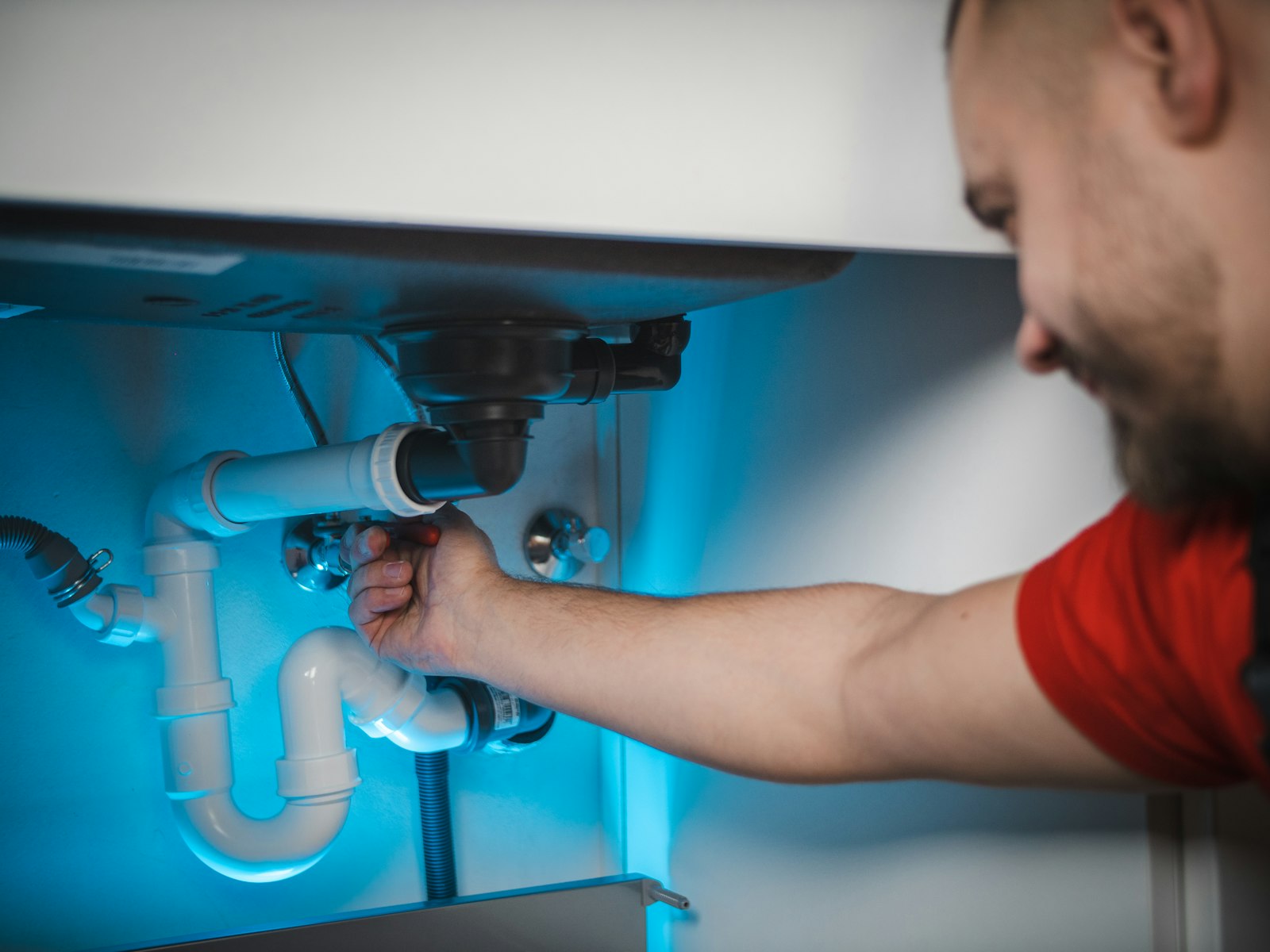
Quality Plumbing plumbing maintenance
Local & family-owned since 1994
In depth

Everything that goes into plumbing maintenance, broken into clear sections and explained in plain language.

Why maintenance pays off more here than in most places

Quality Plumbing plumbing maintenance work

Most of the East Bay housing stock was built between the 1950s and the 1970s. Those homes left the builder with galvanized steel supply lines, cast-iron or clay drain and sewer pipes, and water heaters that have long since been replaced once or twice. The pipes underneath have not been. Galvanized supply lines corrode from the inside out, so the first warning is often a pinhole leak or a sudden pressure drop, not something you can see during a normal week. Catching that corrosion early means a targeted spot repair or a planned repipe on your schedule, not an emergency call at midnight.

The Alameda County Water District delivers moderately hard water across the Tri-City area, and that mineral content accelerates the problems aging plumbing already has. Scale settles inside water heaters, narrows tankless heat exchangers, and coats faucet aerators and valve seats. Slab-on-grade construction is common here, so a supply leak under the foundation is not just a wet floor. It is water working against a concrete slab for months before anyone notices. Routine maintenance is the tool that finds these conditions while the repair is still a modest one.


Annual water heater flush and anode rod check

Quality Plumbing plumbing maintenance work

Sediment from hard water settles at the bottom of a tank heater every year it runs. That layer forces the burner to work harder to heat the same water, and it slowly corrodes the steel floor of the tank from the inside. An annual flush drains that sediment out before it builds to the point where it is baked on and the tank's bottom is already thinning. On a tankless unit the same mineral content fills the narrow passages of the heat exchanger, so a periodic descale is the equivalent service, and it prevents the fault codes and output loss that scale causes.

The anode rod is a sacrificial metal rod inside the tank that corrodes so the tank wall does not have to. When the rod is spent, corrosion shifts to the steel lining. Most homeowners have never seen the rod in their tank and do not know it exists, but checking and replacing it on a regular basis is one of the cheapest ways to add years to a water heater's life. Our moderately hard water consumes anode rods faster than soft-water areas do, so a heater that might go many years between rod changes elsewhere benefits from a check on a shorter cycle here.

Drain and sewer maintenance to stay ahead of backups

Quality Plumbing plumbing maintenance work

Slow drains are easy to ignore until the whole house backs up on a Sunday evening. Kitchen drains accumulate cooked grease and food solids that cool and harden on the pipe wall. Shower and tub drains collect hair and soap into a mat that grows over months. Neither of these is an emergency until it is. Keeping branch lines clear and flowing well, and knowing when to cable a drain versus when to jet it to remove accumulated scale, is basic housekeeping that prevents the bigger call.

Main sewer laterals in older East Bay homes are a different concern. Clay or cast-iron pipes from the original construction have been in the ground for fifty to seventy years. Clay joints invite root intrusion. Cast iron corrodes and narrows from the inside. A camera inspection every few years on an older lateral lets you see exactly what is in the pipe, whether root hairs are working in at the joints, whether scale is narrowing the flow path, or whether a section has started to crack or settle. That footage turns a decision about repair into a planned project rather than an emergency response to a full backup.

One thing worth knowing: we clear and maintain the portion of the system that belongs to your home, from the fixtures out to the connection with the city main. If sewage is surfacing in the street or affecting neighboring properties, that belongs to the city or sanitary district, and the right first call is to them. We will help you figure out which side the problem is on if you are not sure.

A whole-home plumbing inspection: what we actually look at

Quality Plumbing plumbing maintenance work

A thorough inspection works through the system in a logical order rather than checking a short list of obvious items. We look at supply line material, age, and condition, and note where galvanized pipe is still in service and whether it shows signs of corrosion at fittings or joints. We check working pressure at multiple points, because a drop across the house points to scaling or a failing main valve, while a drop at one fixture is a local issue. Every shutoff valve under sinks, at toilets, and at the main gets opened and closed to confirm it still moves and seals, because a valve that has not been turned in twenty years often will not close when you actually need it to.

At fixtures we check for slow drips at supply connections, worn faucet cartridges that are wasting water or about to fail, toilet flappers and fill valves that run longer than they should, and any sign of water staining or soft wood under sinks or around the base of toilets. The water heater gets checked for the condition of the relief valve, the state of the supply connections and drip pan, the burner or element, and, on a tank unit, the anode rod. We look at drain cleanout access to make sure it is reachable and that the plug has not been buried or covered.

We also note what we see but do not act on without your say-so. A worn valve that still functions, a faucet that drips but is easy to watch, a water heater with a few good years left but an anode rod due for replacement: we describe what we found, tell you what it means, and let you decide when and whether to address it. The inspection is information, not a sale.

Small leaks and worn valves: catching them before they fail

Quality Plumbing plumbing maintenance work

The most common outcome of a whole-home inspection is a short list of small items that are either already leaking slowly or are worn to the point where failure is predictable. An angle stop under a sink that has been running at pressure since 1972 may still close today but corrode through next spring. A toilet supply line showing the faintest green ring at the nut is already weeping, and by the time that ring is a visible drip the wood floor below is compromised. Catching these at inspection cost is the entire point of the exercise.

Older East Bay homes also tend to have original gate valves on branch lines, and gate valves have a well-known failure mode: they partially close but do not fully shut, so when you actually need to isolate a fixture for a repair you find the valve is useless. Replacing them with modern quarter-turn ball valves while the system is otherwise running well, rather than during a flooding event, is exactly the kind of planned work that makes emergency calls shorter and less expensive when they do happen.

Watch for

Signs it is time to schedule a maintenance visit

If a few of these line up in your home, it is worth a professional eye before a small problem turns into an expensive one.

  1. Your water heater is more than a few years old and has never been flushed or had the anode rod inspected

  2. Water pressure has dropped gradually across the house, or hot water runs noticeably weaker than cold

  3. A drain you have been ignoring is slow or gurgles, or you have had more than one backup in the past year

  4. You own an older East Bay home with original galvanized supply lines or clay and cast-iron sewer pipe that has never been camera-inspected

  5. You have found water staining, soft wood, or any sign of moisture under a sink, around a toilet base, or near a water heater

  6. Shutoff valves under your sinks or at the main have not been tested in years, which matters most when you need them in an emergency

FAQ

Common plumbing maintenance questions

Quality PlumbingOnline now · replies fast

Is annual plumbing maintenance really worth it for an older East Bay home?

You

It usually is, especially here. A lot of Newark and Alameda County homes still have galvanized supply lines and cast-iron or clay sewer pipe from the 60s and 70s, and our moderately hard ACWD water has been working on them ever since. A yearly visit catches a slow leak, a corroded valve, or a water heater building up sediment before any of those turns into a midnight emergency.

Quality Plumbing

What does a whole-home plumbing inspection actually cover?

You

We go through the supply lines, check pressure, open and close every shutoff valve to confirm it still works, look for drips or staining under sinks and around toilets, test the water heater's relief valve and inspect the anode rod, and check drain cleanout access. We also note what we see but leave the decisions to you. If something can wait, we'll say so.

Quality Plumbing

Can a maintenance visit find small leaks before they become a real problem?

You

That's really the point of it. A toilet supply line with a faint green ring at the fitting, an angle stop that's been at full pressure since 1972, a water heater quietly building sediment on the bottom, these things don't announce themselves until they fail. Catching them during a scheduled visit is a lot cheaper and less disruptive than finding out on a weekend.

Quality Plumbing
Get in touch

Schedule your service today

Opening Hours

Monday - SaturdayOpen 24 hours
Emergencies24/7
Open now

Nights, weekends, and holidays included. When you call, a real local plumber answers, never a machine.

Our Location

What our customers say

Our Reviews

Read our reviews on Google and tell us how we did. Honest feedback is how we keep our work accountable across Newark and the East Bay.

Leave a Google review
Ready when you are

Need plumbing maintenance in Newark?

Call now for fast, friendly service, or book online in under a minute. A real, local Newark plumber, 24/7.

Licensed & insured 24/7 emergency service No surprises, no upsells