



Why Milpitas hard water is so hard on water heaters
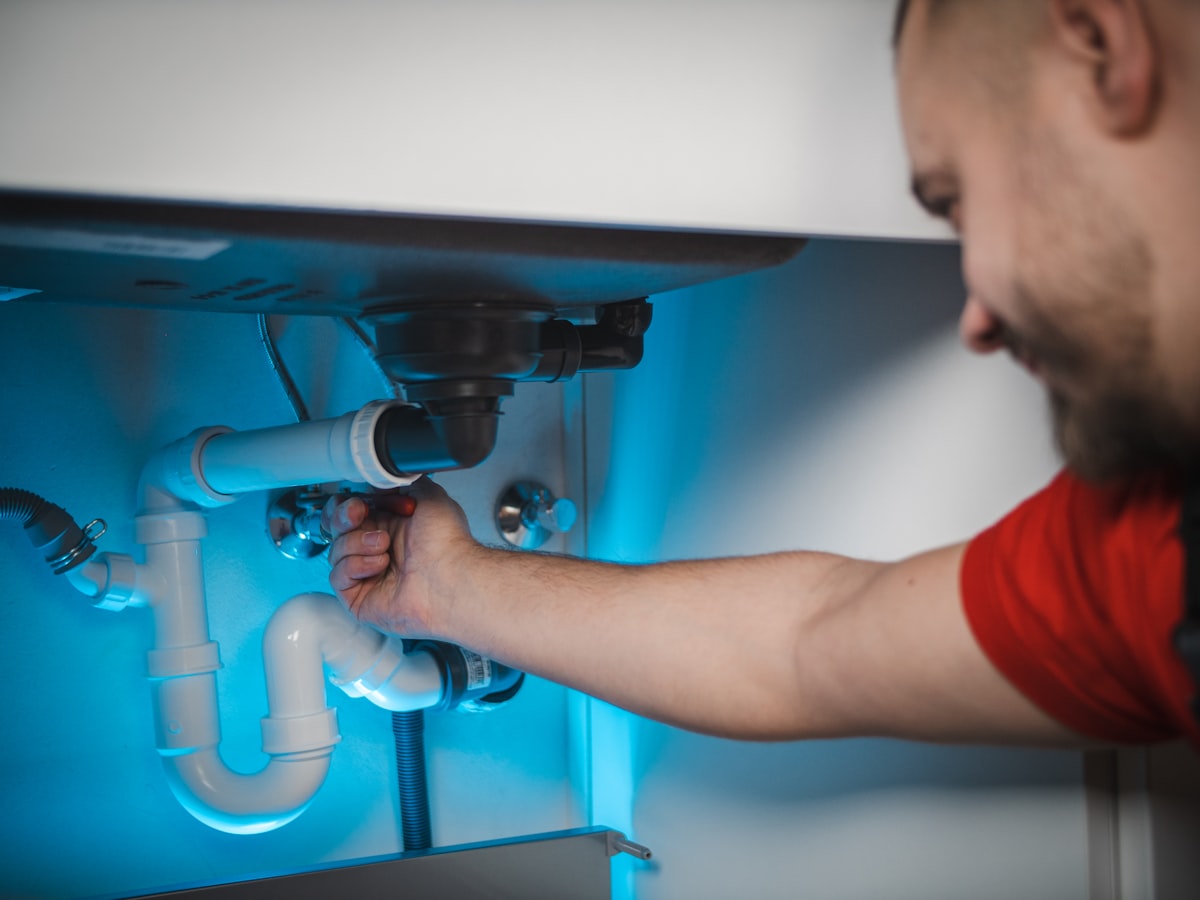
The defining plumbing fact about Milpitas is the water. The city sits on the Santa Clara Valley floor, and the groundwater blended into the supply carries a heavy mineral load. Inside a tank water heater, that mineral content settles to the bottom as a layer of sediment and bakes onto the heating surface. The tank has to work harder and longer to heat through that crust, which wastes energy, drives up the noise (that rumbling or popping you hear is sediment), and shortens the life of the unit. In homes around Sunnyhills and Midtown, where this scale buildup is a real and recurring maintenance issue, we see tanks fail years earlier than the same model would last in a soft-water town.
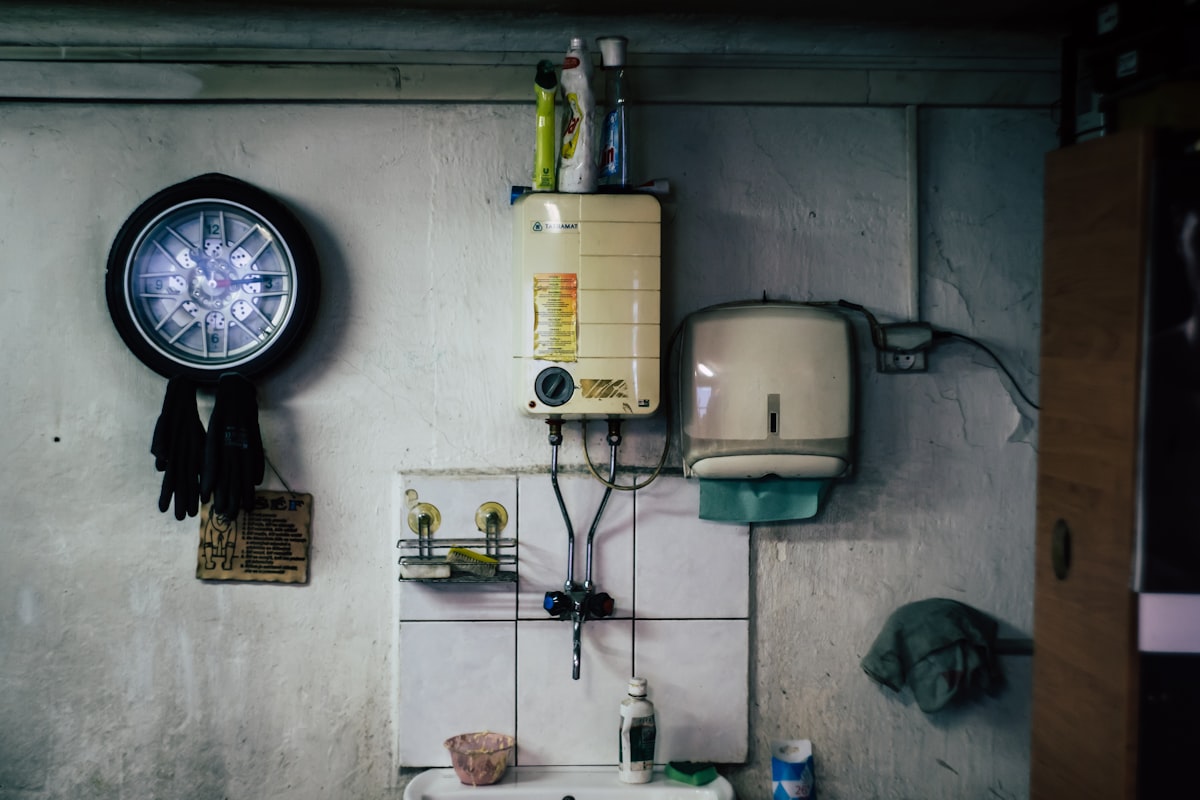
Tankless units are not immune, they are arguably more sensitive. A tankless heat exchanger runs water through narrow passages, and Milpitas scale loves to coat those passages and choke the flow. A tankless heater here needs periodic descaling to keep doing its job, and skipping that maintenance is the fastest way to turn an expensive appliance into a paperweight. When we install one in a Milpitas home, we talk straight about that upkeep rather than pretending the local water will leave it alone.
Our honest advice is to treat the water heater as a maintenance item, not a set-and-forget appliance, anywhere in this 95035 area. Flushing a tank on a schedule, descaling a tankless unit, and watching the anode rod all buy you years. When a heater is finally done, we pull the permit through the Milpitas Building and Safety Division, install to current California code, and schedule the inspection so the swap is on the record.