



24/7 Emergency ServicesEast Bay, Peninsula & South Bay
Licensed & insured · CSLB #690624 Licensed | #690624
QualityPlumbing

Leak Detection & Slab Leaks in Newark, CA

Need leak detection in Newark? Quality Plumbing is local to the East Bay and serves Old Town Newark, Lakeshore, Ironwood and all of 94560, fast and local, 24/7.

5.0

on Google

Licensed & insuredSince 1994
Newark, CA

Local leak detection & slab leaks for Newark homes

A hidden leak under a Newark slab rarely announces itself directly. The first signs are a climbing water bill, a warm spot on the floor, or the sound of water running with every fixture off, common in the slab-on-grade homes that fill Old Town Newark and Lakeshore.

We locate the leak with electronic listening and pressure testing before we open any concrete, so the repair is aimed at the actual failure point rather than found by trial and error.

  • Electronic leak detection
  • Slab leak repair
  • Pressure testing
  • Under-slab pipe rerouting
Quality Plumbing leak detection in Newark
In depth

Why slab leaks are common under older Newark homes
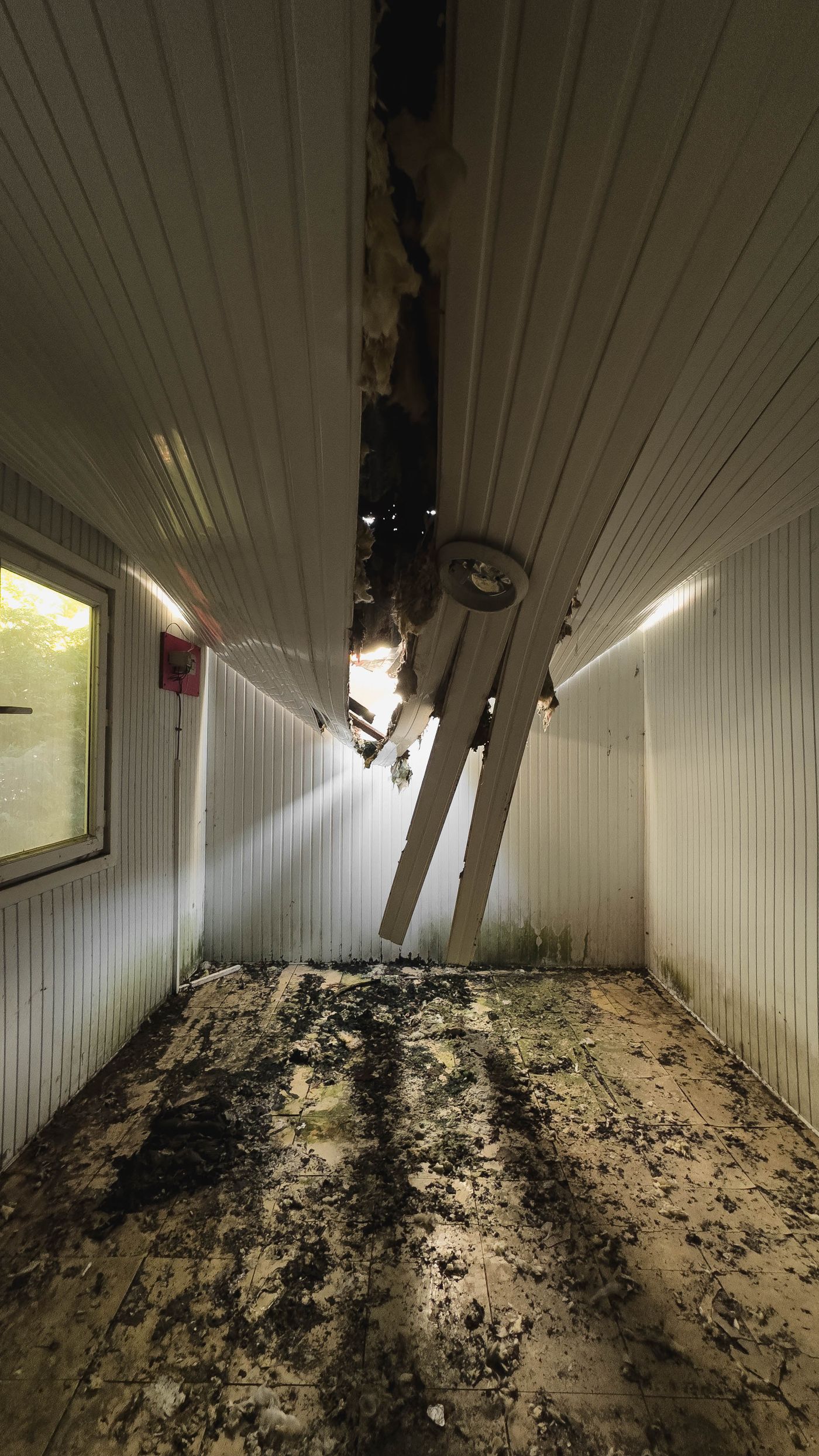
A water-damaged interior with a stained, broken ceiling and soiled floor showing the hidden damage a leak can cause

A lot of Newark was built slab-on-grade in the 1960s and 1970s, which means the home sits directly on a concrete slab and the water lines run inside or beneath that slab instead of through a crawlspace. When a supply line under the slab springs a leak, you cannot just look under the house and see it. The water is trapped below the concrete, and the first clue is usually indirect: a water bill that climbs for no reason, a warm spot on the floor over a hot line, or the faint sound of water running when every fixture is off.

After fifty or sixty years, the original copper under those slabs is at the age where pinhole leaks start showing up. Newark's water from the Alameda County Water District is moderately hard, and over decades that mineral content works on copper from the inside, which is one of the reasons a single pinhole can turn into several across the same run. We see this pattern across the older slab homes in Old Town Newark and Lakeshore in particular.

How we find the leak before opening any concrete

A worker leaning in close to inspect and work on a water pump and connected hose in a utility space

The whole point of leak detection is to pinpoint the problem so we are not jackhammering the floor to go looking for it. We start with electronic detection: acoustic listening equipment that hears water escaping under the slab, plus correlation tools that narrow the location down to a small area rather than a whole room.

When the question is whether a hidden line is leaking at all, pressure testing answers it. We isolate the supply system, put it under pressure, and watch whether it holds. A line that bleeds off pressure with no fixture open is leaking somewhere, and that tells us to keep tracing. By the time we recommend touching concrete, we know where the leak is and roughly how big the job is. No guessing, no exploratory demolition.

Spot repair or rerouting: the honest call

Water pooling and spreading across a bare concrete floor surface

Once we have located a slab leak, there are two real ways to fix it, and we will tell you straight which one fits your situation. A spot repair opens the slab at the one failure point, repairs that section, and patches the concrete back. It is the smaller, less costly job, and it is the right move when the rest of the line is still in good shape and you have a single, isolated leak.

Rerouting abandons the failing under-slab line and runs a fresh line overhead or through the walls instead, bypassing the slab entirely. We recommend it when the existing pipe has already leaked more than once, when the copper is clearly at the end of its life, or when the leak sits somewhere that would be brutal to reach through the slab. Rerouting costs more up front, but if your copper is failing in multiple places, chasing one pinhole at a time under the concrete usually costs more in the long run. We would rather have that conversation honestly than sell you a patch that fails again next year.

Permits, water quality, and protecting the home long term

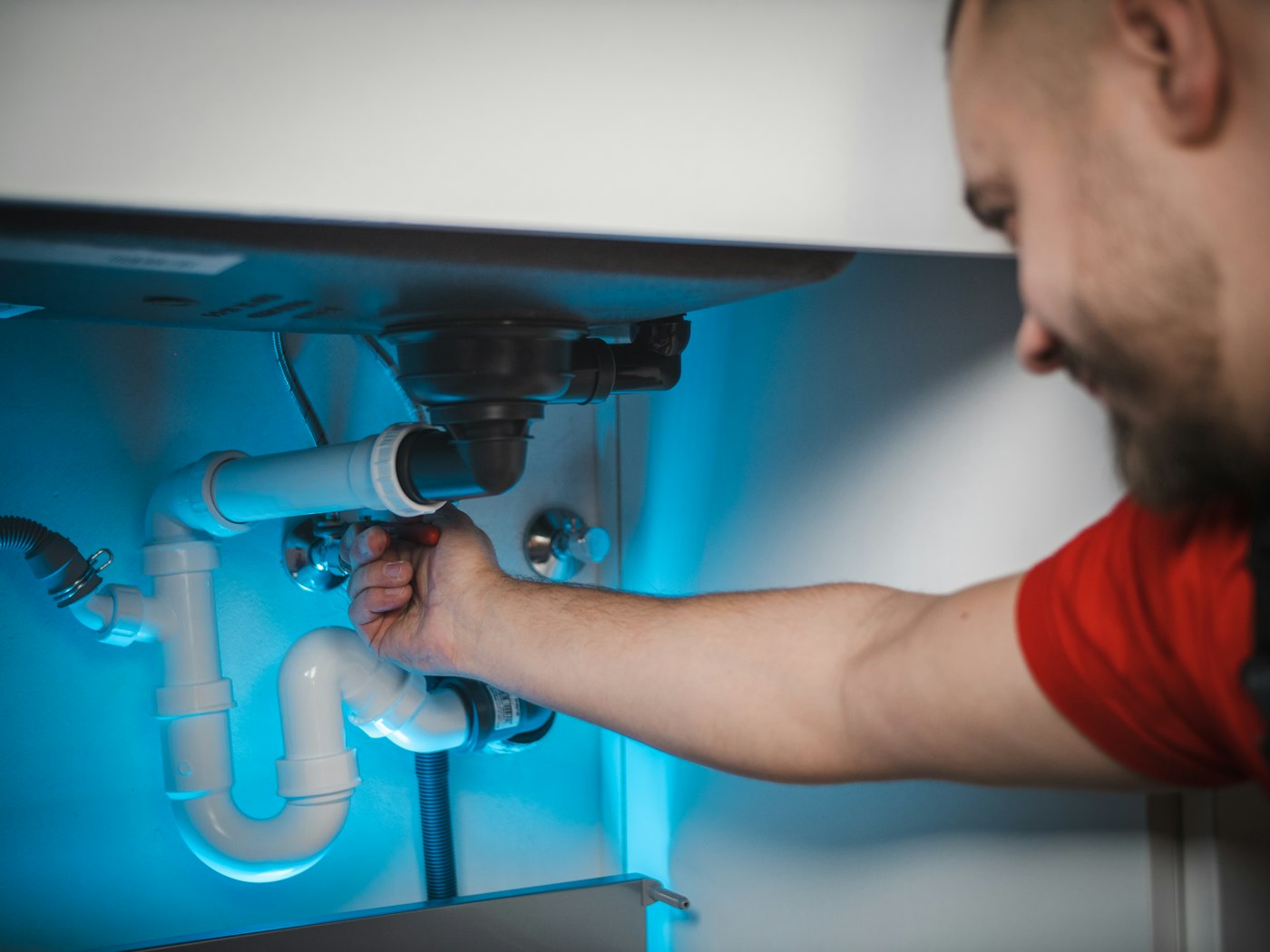
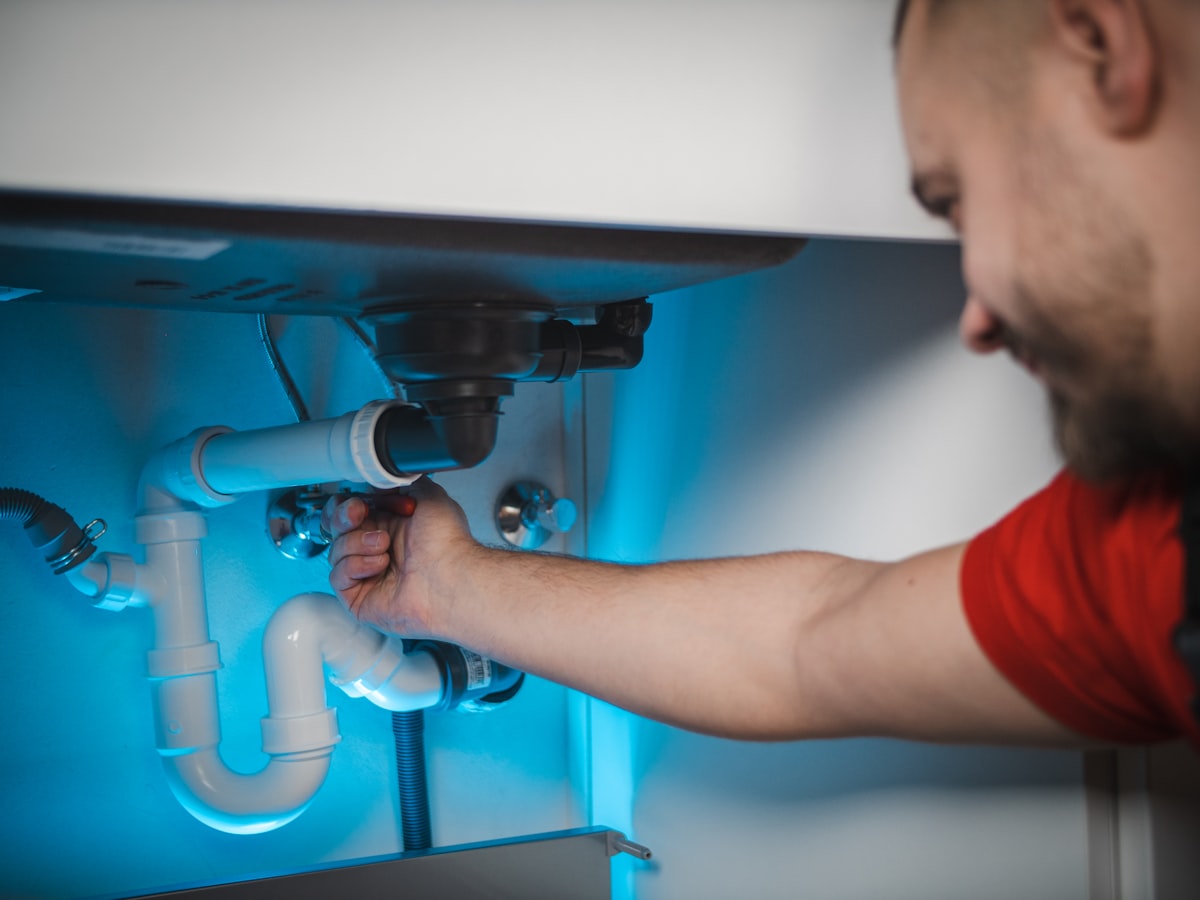
A plumber reaching under a sink to work on the white drain pipes and shut-off connections

A slab leak left alone does not just waste water. It can saturate the slab, lift or crack flooring, and feed mold under the home, so finding it early genuinely saves money on the repair that follows. If you have noticed an unexplained drop in water pressure alongside any of the warning signs, that is worth a call before it gets worse.

Because Newark's hard water is part of what wears these lines out, we will also talk through whether a softener makes sense for your home, since easing the mineral load takes some of the strain off copper going forward. And when a repair or repipe rises to the level of work the City of Newark requires a permit for, we pull the permit and schedule the inspection so the job is done to code and on the record, which matters when you sell the house.

A local crew that knows these slabs

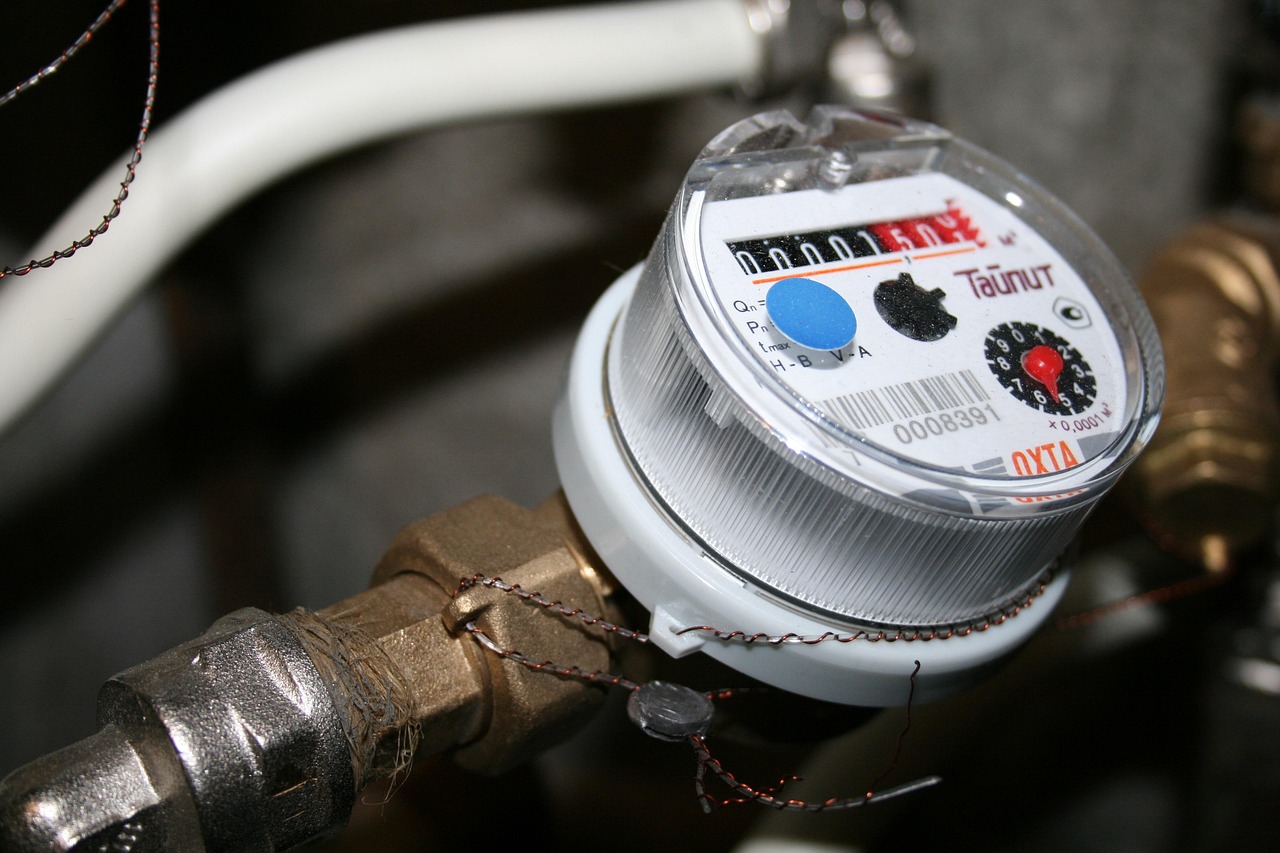
A residential water meter connected to brass pipe fittings

We are based right here in Newark, 94560, not dispatched in from across the Bay, so we already know the slab-on-grade housing stock, the age of the copper under it, and the City's permit process. That means we show up understanding what we are likely walking into, and we get to you faster when a leak turns into an emergency. Every job comes with a clear diagnosis, the location of the leak shown to you, and your spot-repair versus reroute options explained in plain language before we start. That is how Quality Plumbing has worked since 1994, and it is how we still work today.

Watch for

Signs you may have a hidden leak or slab leak

If a few of these line up in your home, it is worth a professional eye before a small problem turns into an expensive one.

  1. A water bill that jumps with no change in how you use water

  2. A warm spot on the floor, often a sign of a leaking hot-water line under the slab

  3. The sound of running water when every faucet and fixture is off

  4. A drop in water pressure you cannot explain

  5. Cracked, lifting, or unexpectedly damp flooring over the slab

  6. A water meter that keeps moving after you have shut everything off

FAQ

Common leak detection & slab leaks questions in Newark

Quality PlumbingOnline now · replies fast

Do you offer leak detection in Newark?

You

Yes, we cover Newark (94560) and the surrounding area. Same local crew, fast response, and an upfront price before any work starts.

Quality Plumbing

How do you find a hidden leak without tearing up walls?

You

Electronic leak detection: acoustic listening gear, pressure testing, and moisture meters to pinpoint the spot before we open anything. We find it first, then make one targeted repair.

Quality Plumbing

How do I know if I have a slab leak?

You

Warm spots on the floor, a spike in your water bill, the sound of running water with everything off, or unexplained damp carpet. If a few of those line up, get it checked before it undermines the slab.

Quality Plumbing
Get in touch

Schedule your service today

Opening Hours

Monday - SaturdayOpen 24 hours
Emergencies24/7
Open now

Nights, weekends, and holidays included. When you call, a real local plumber answers, never a machine.

Our Location

What our customers say

Our Reviews

Read our reviews on Google and tell us how we did. Honest feedback is how we keep our work accountable across Newark and the East Bay.

Leave a Google review
Ready when you are

Leak Detection & Slab Leaks in Newark, CA: fast, local service

Call now for fast, friendly service, or book online in under a minute. A real, local Newark plumber, 24/7.

Licensed & insured 24/7 emergency service No surprises, no upsells