



24/7 Emergency ServicesEast Bay, Peninsula & South Bay
Licensed & insured · CSLB #690624 Licensed | #690624
QualityPlumbing

Tankless Water Heaters in Newark & the East Bay

Endless hot water and lower bills with expert tankless installation and service.

5.0

on Google

Licensed & insuredSince 1994
What we handle

Quality Plumbing handles tankless water heater installation for homes and businesses across Newark, Fremont, and Union City. Every job starts with a clear diagnosis and the price upfront, before any work begins.

What is included

  • Tankless installation
  • Tankless descaling & repair
Quality Plumbing tankless water heater installation
Local & family-owned since 1994
In depth

Everything that goes into tankless water heaters, broken into clear sections and explained in plain language.

What a tankless water heater actually does
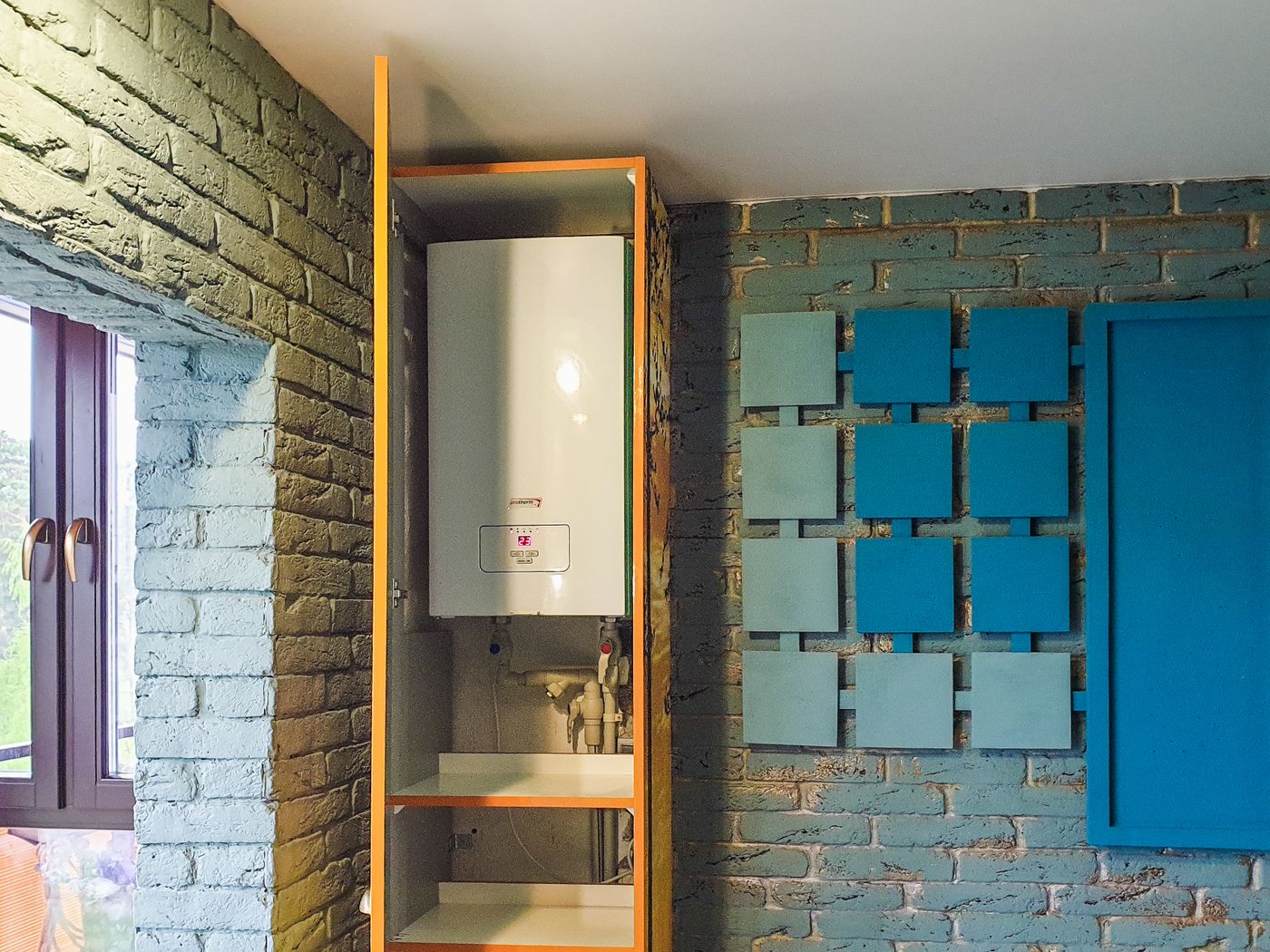
A wall-mounted white tankless water heater unit with copper and steel pipe connections below, in a residential room

A tankless unit heats water on demand instead of keeping forty or fifty gallons hot around the clock. When you open a hot tap, the unit fires, runs water across a heat exchanger, and delivers hot water for as long as you keep the tap open. There is no stored tank to run out, so a household that staggers its showers, laundry, and dishes does not hit the cold-water wall a tank can hit on a busy morning.

Because there is no standby tank losing heat all day, a tankless unit generally uses less energy than a comparable tank for the same hot water. The unit is also wall-mounted and compact, which frees up floor space in a garage or utility closet. Those are the real reasons to consider one. We will be straight with you about where the savings are modest and where a tank still makes more sense for your home.
Sizing it for your household, not a brochure

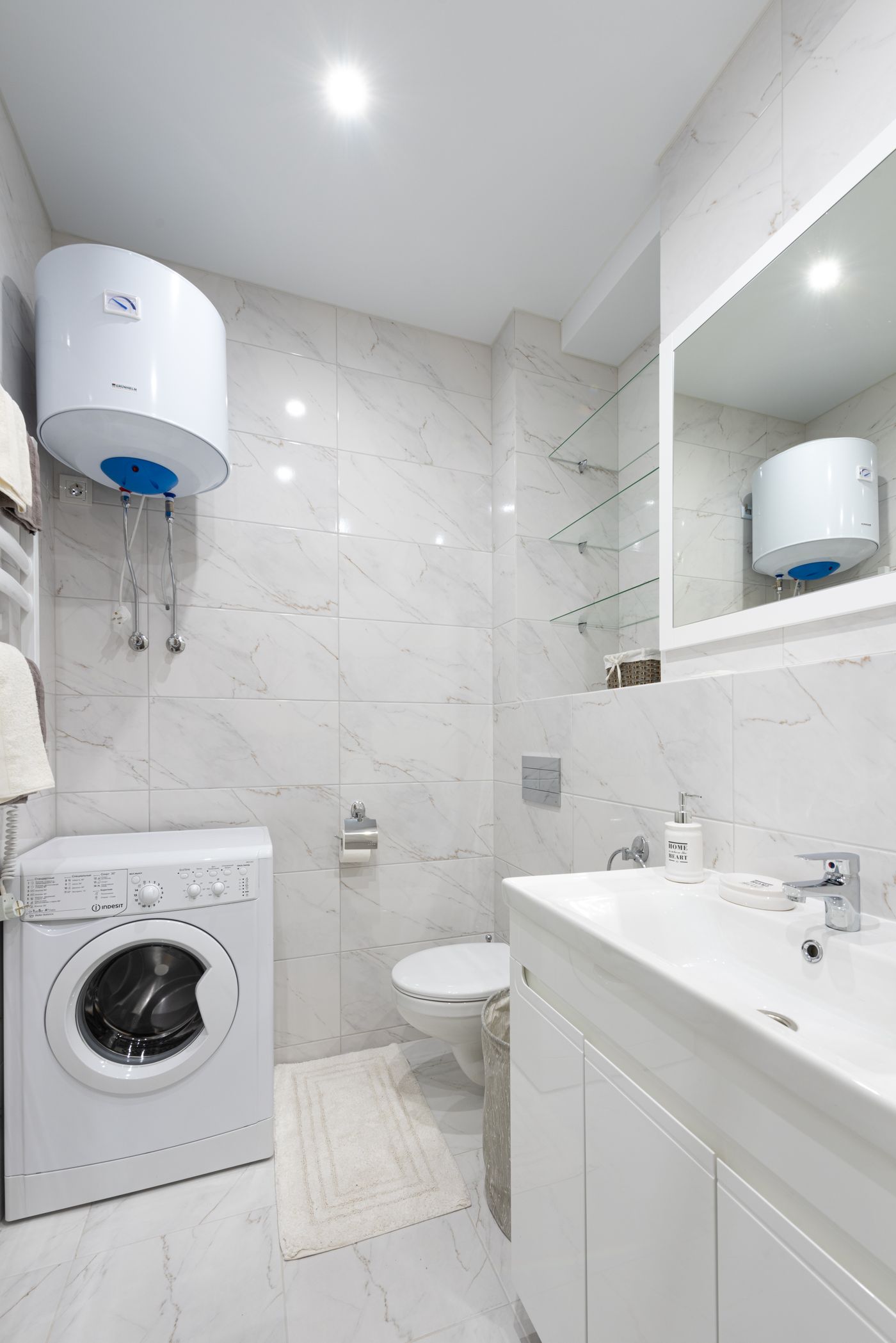
A compact wall-mounted water heater in a small tiled bathroom that also holds a washing machine and sink

Tankless units are rated by how many gallons per minute they can heat at a given temperature rise. The colder the incoming water and the more fixtures you run at once, the larger the unit you need. A single bathroom with one or two people has very different demands than a four-person home running two showers while the dishwasher fills.

We size around your real peak: how many showers, tubs, and appliances could realistically run together, and what the incoming water temperature is. Undersize it and the water turns lukewarm when demand climbs. Oversize it and you have paid for capacity you never use. For larger homes we sometimes recommend two smaller units or a unit serving only part of the house, and we will walk you through the trade-offs before anything is ordered.

Gas, venting, and what install really involves

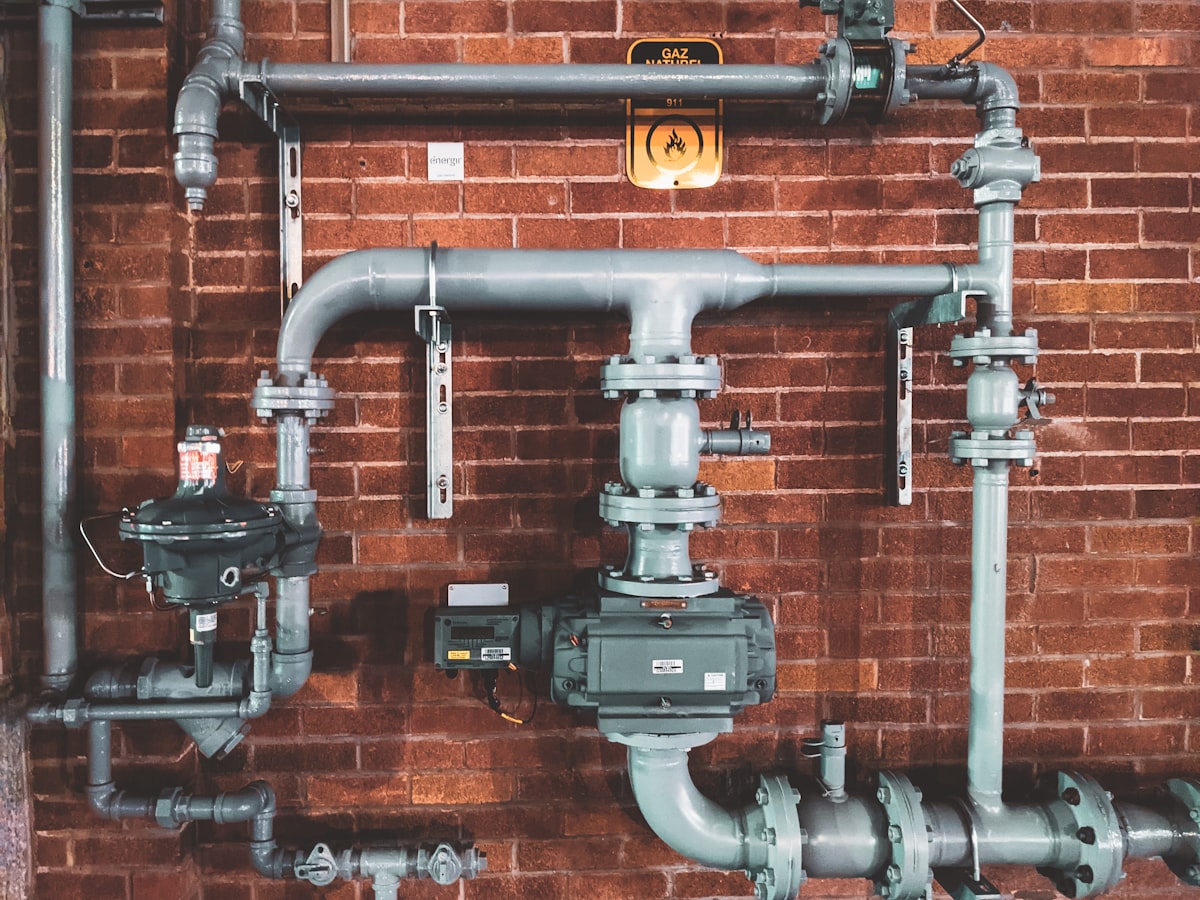
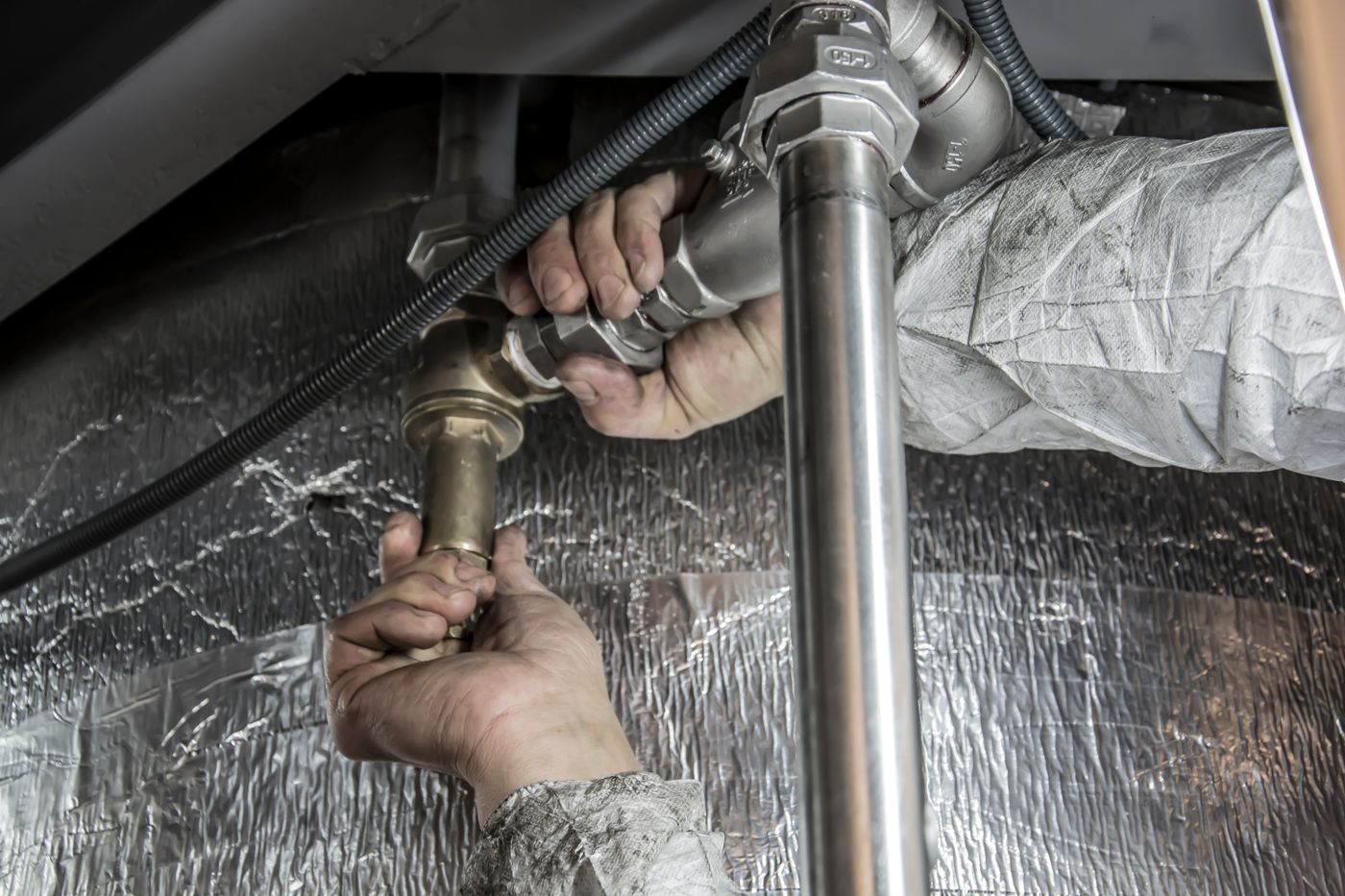
Close-up of hands tightening a brass and chrome pipe fitting beneath an appliance, with flexible ducting alongside

A tankless unit fires much harder than a tank when it is running, so it usually needs a larger gas supply line and its own dedicated venting. In a lot of older East Bay homes built from the 1950s through the 1970s, the existing gas line and flue were sized for a tank, so part of the job is bringing those up to what the new unit requires. We check the gas line, the venting path, and the electrical and condensate needs before we commit to a price, so there are no surprises mid-install.

Gas and water-heater work requires a permit in the cities we serve, and that is a good thing. We pull the permit, do the work to code, and schedule the inspection so the install is on the record. That record matters later when you sell the home, and it means a second set of eyes confirms the gas and venting were done right.

Hard East Bay water means descaling is not optional

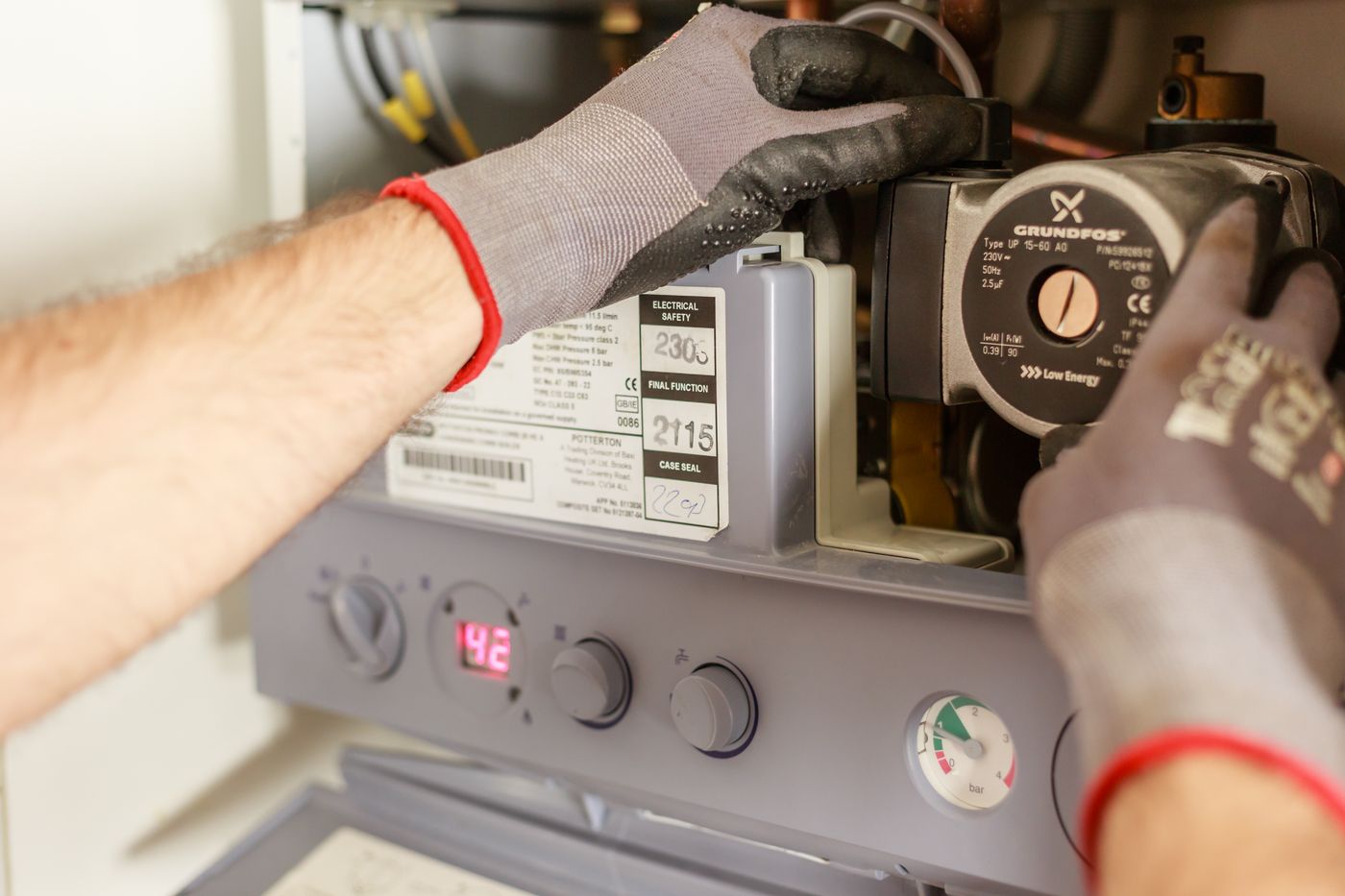
Gloved hands of a technician servicing the internal pump and pressure gauge of a wall-mounted water heater, panel open

Water from the Alameda County Water District in the Tri-City area is moderately hard, and that mineral content is the main thing that shortens a tankless unit's life here. Scale builds up inside the narrow passages of the heat exchanger, where a tank would just collect it harmlessly at the bottom. Left alone, that scale drops the unit's output, triggers fault codes, and over time can damage the exchanger.

The fix is periodic descaling: we circulate a descaling solution through the unit to dissolve the buildup and restore flow, and we check the inlet filter and operation while we are there. How often depends on your water and your usage, but in our area it is something most tankless units genuinely need on a regular basis. We service the units we install and units other companies put in. If yours is throwing fault codes or losing hot water, descaling is often the first thing to rule out before anything gets replaced.

When a tank is honestly the better call

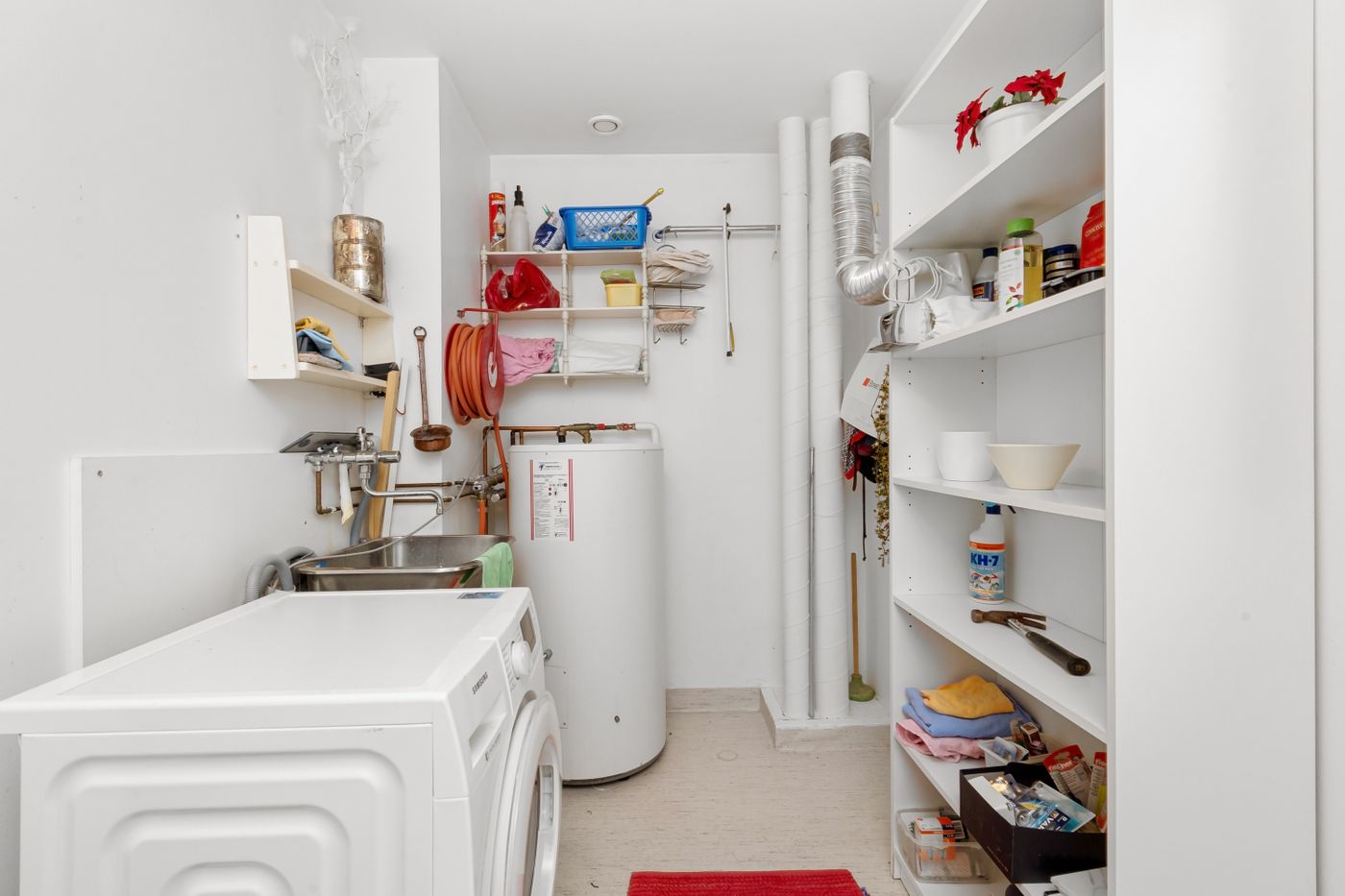
A traditional white cylindrical storage water heater tank standing in a bright utility and laundry room

Tankless is not the right answer for every home, and we will tell you when a standard tank is the smarter spend. If your gas line and venting would need major upgrades, the cost to convert can outweigh the benefit, especially if your hot water habits are light. A simple tank replacement is often faster, cheaper up front, and perfectly adequate.

Tankless tends to pay off for households with high or spread-out hot water use, homes tight on space, or owners who plan to stay long enough to value the efficiency and longer service life. Lighter users, or anyone who wants the lowest install cost today, are frequently better served by a tank. We are happy to install either, so our recommendation is based on your home and not on what we would rather sell.

Watch for

What to know before going tankless

If a few of these line up in your home, it is worth a professional eye before a small problem turns into an expensive one.

  1. You run out of hot water on busy mornings, or you want hot water that does not run dry mid-shower

  2. Your home is short on floor space and a wall-mounted unit would free up a garage or closet

  3. Your gas line and venting may need upgrading, since older East Bay homes were often plumbed for a tank

  4. Your tankless unit is losing output or throwing fault codes, which usually points to scale and the need for descaling

  5. You have moderately hard Tri-City water, so plan on regular descaling to protect the heat exchanger

  6. Your hot water use is light or you want the lowest cost today, in which case a standard tank may be the better fit

FAQ

Common tankless water heaters questions

Quality PlumbingOnline now · replies fast

Is a tankless water heater worth it?

You

For a lot of homes, yeah, endless hot water, lower standby losses, and it frees up space. Just know our hard water means it needs a descale now and then to keep it running well.

Quality Plumbing

Does a tankless unit need special maintenance here?

You

Yes, a periodic descaling/flush because of the local hard water. Skip it and scale builds up and shortens its life. We can set you up on a simple schedule.

Quality Plumbing

Can you convert my tank water heater to tankless?

You

Usually, yes. It can mean gas line and venting changes, so we check your setup first and size the unit to your home before quoting it, no surprises.

Quality Plumbing
Get in touch

Schedule your service today

Opening Hours

Monday - SaturdayOpen 24 hours
Emergencies24/7
Open now

Nights, weekends, and holidays included. When you call, a real local plumber answers, never a machine.

Our Location

What our customers say

Our Reviews

Read our reviews on Google and tell us how we did. Honest feedback is how we keep our work accountable across Newark and the East Bay.

Leave a Google review
Ready when you are

Need tankless water heaters in Newark?

Call now for fast, friendly service, or book online in under a minute. A real, local Newark plumber, 24/7.

Licensed & insured 24/7 emergency service No surprises, no upsells