



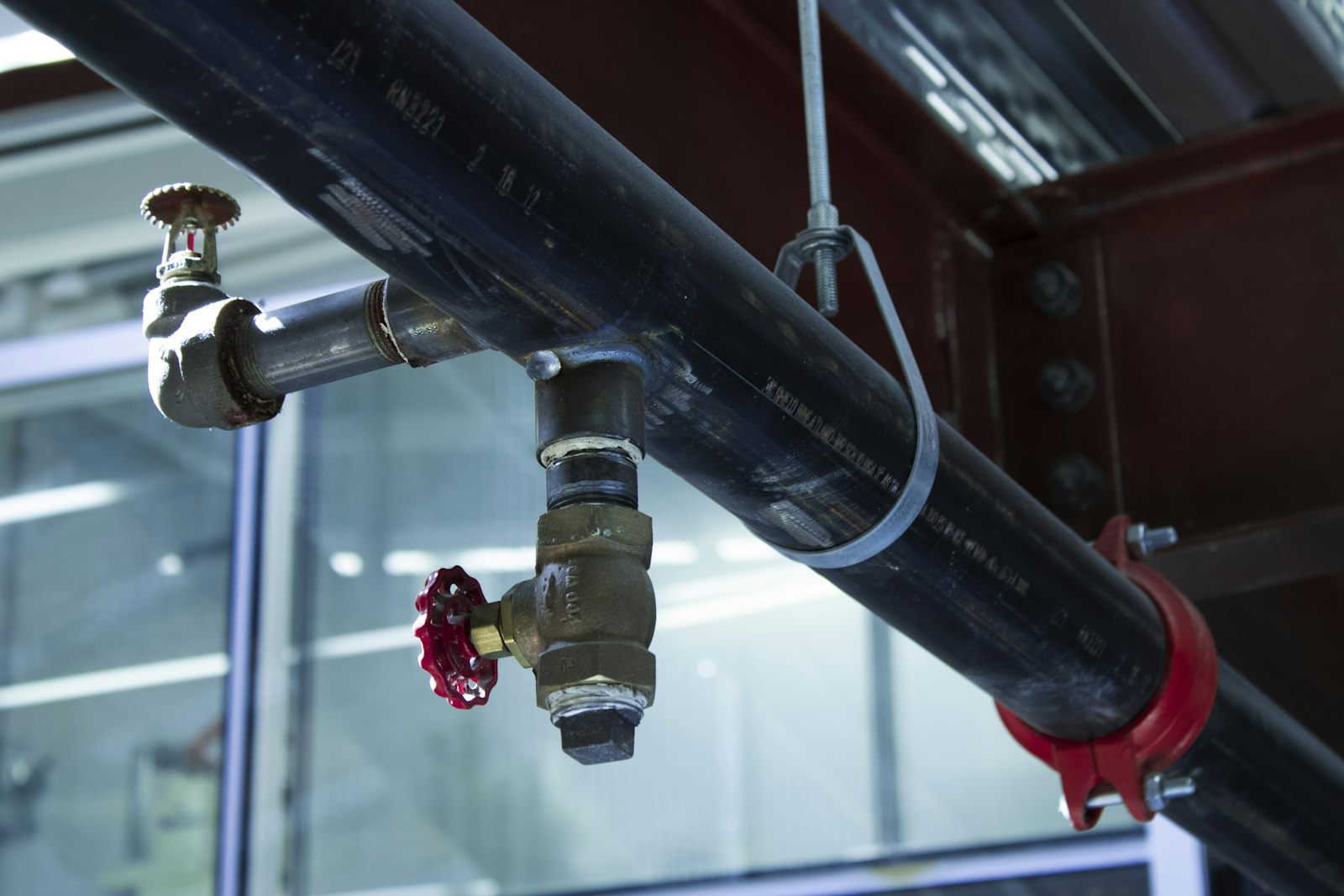
What backflow is and why it matters
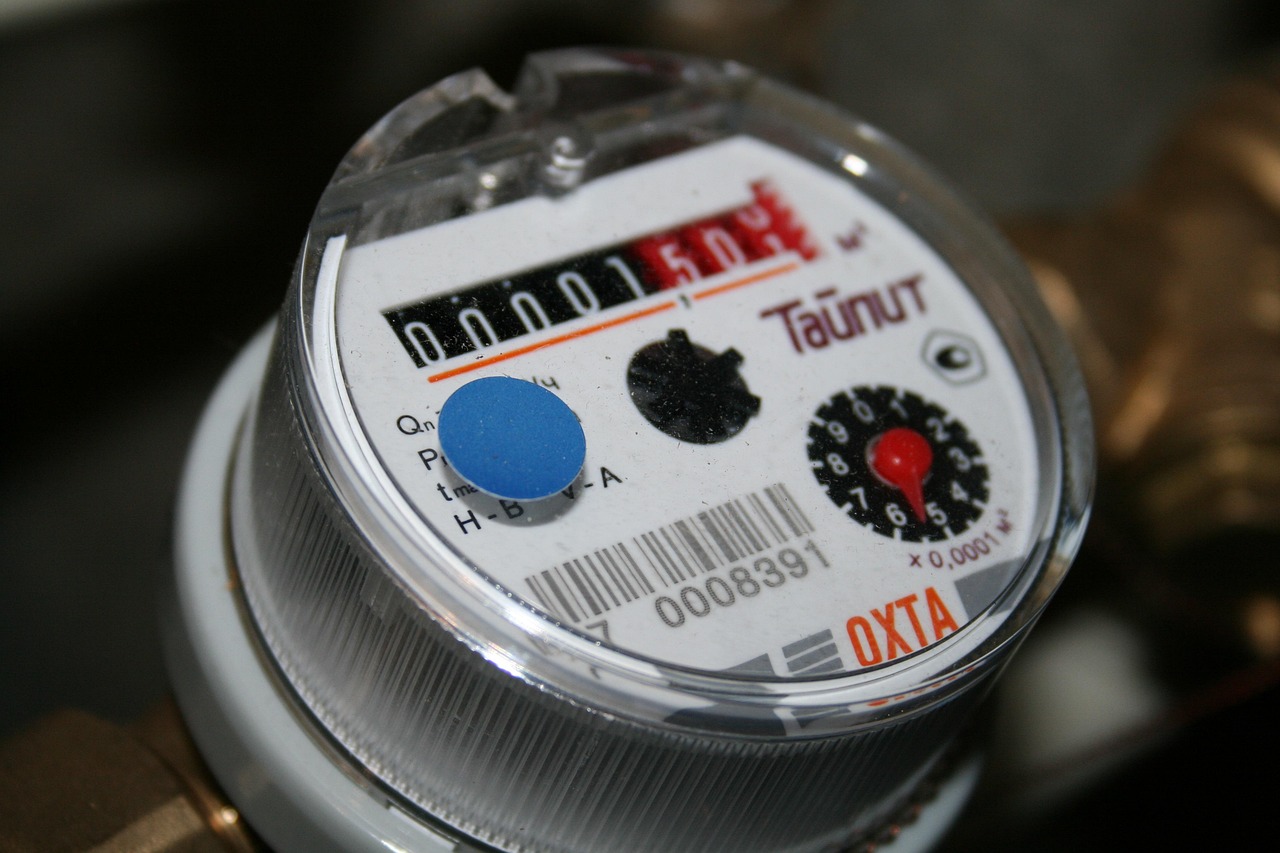
Your water supply is pressurized so that clean water flows in one direction: from the main, through the meter, and out your fixtures. Backflow happens when that pressure relationship reverses, pulling water backward through a cross-connection and into the potable supply. The reversal can be caused by a sudden drop in main pressure, such as when a fire hydrant nearby is opened, or by a downstream system that is pressurized above the supply side. Either way, whatever is sitting in the downstream line gets siphoned back toward the drinking water.
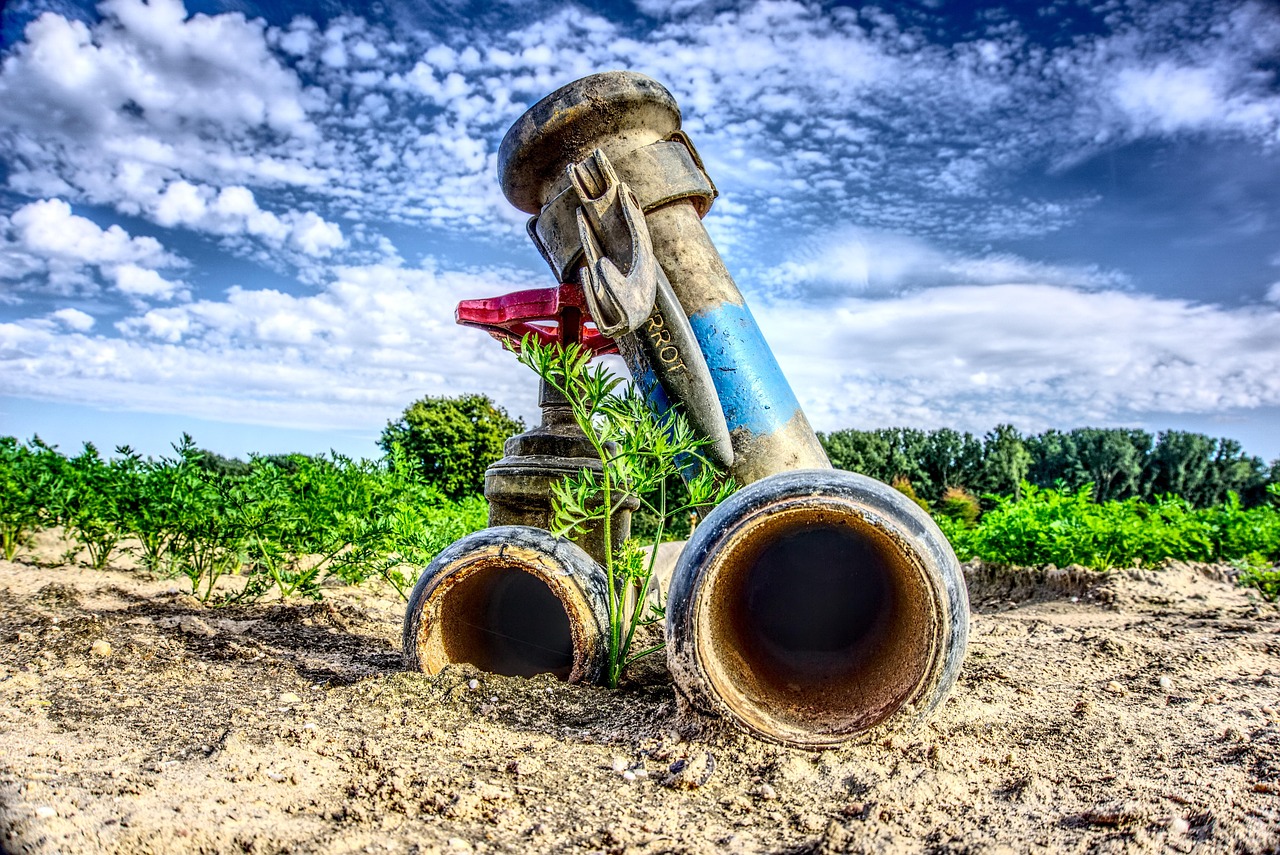
That downstream water is often not clean. Irrigation lines sit in soil and hold fertilizer, pesticides, and bacteria. Fire suppression systems are filled with treated or stagnant water that is not meant for drinking. Industrial and commercial lines can carry chemicals, cleaning compounds, or process water. A properly functioning backflow preventer stops that contaminated water from ever reaching the potable supply. A failed or untested one does not, and the consequence is a public health problem that is invisible until someone gets sick.