



24/7 Emergency ServicesEast Bay, Peninsula & South Bay
Licensed & insured · CSLB #690624 Licensed | #690624
QualityPlumbing

Leak Detection & Slab Leaks in Newark & the East Bay

Non-invasive electronic detection of slab, wall, and underground leaks before they cause damage.

5.0

on Google

Licensed & insuredSince 1994
What we handle

Quality Plumbing handles leak detection for homes and businesses across Newark, Fremont, and Union City. Every job starts with a clear diagnosis and the price upfront, before any work begins.

What is included

  • Electronic leak detection
  • Slab leak repair
  • Pressure testing
  • Under-slab pipe rerouting
Quality Plumbing leak detection
Local & family-owned since 1994
In depth

Everything that goes into leak detection & slab leaks, broken into clear sections and explained in plain language.

What leak detection actually does
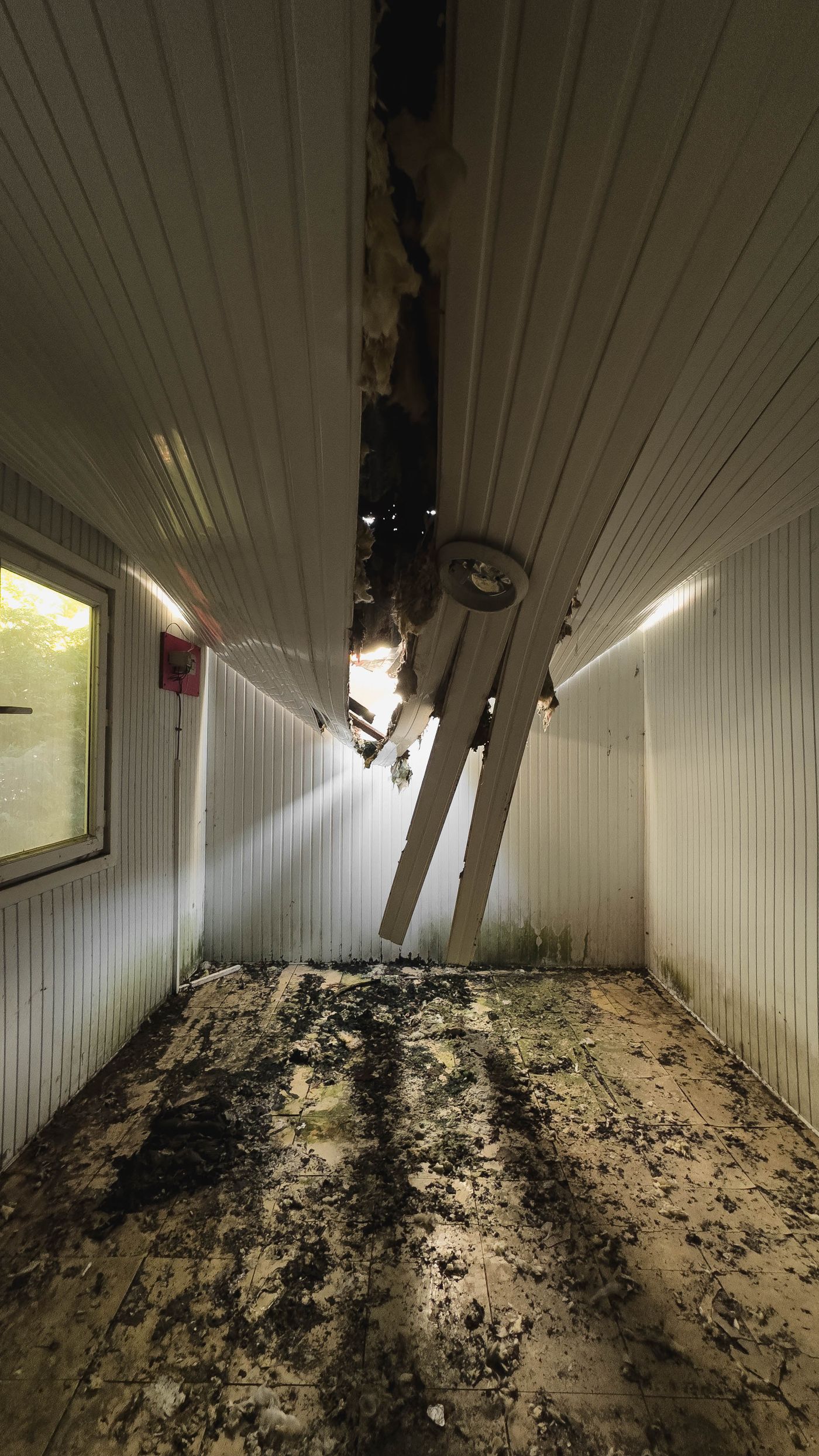
A water-damaged interior with a stained, broken ceiling and soiled floor showing the hidden damage a leak can cause

A hidden leak is water going somewhere it should not, behind a wall, under a floor slab, or in a buried supply or sewer line, where you cannot see it. The job of leak detection is to find the exact spot before anyone opens up drywall, tile, or concrete. We treat finding the leak and fixing it as two separate steps, because guessing wrong means tearing out more of your home than the repair ever required.

Most of the homes we work on across the East Bay sit on a concrete slab, so the supply lines run through or under that slab. When one of those lines fails, the water has nowhere obvious to go, and the only clues are indirect: a higher bill, a warm patch on the floor, or the faint sound of water moving when every fixture is off. We start with those clues and narrow down from there.

How we find a leak without tearing things up

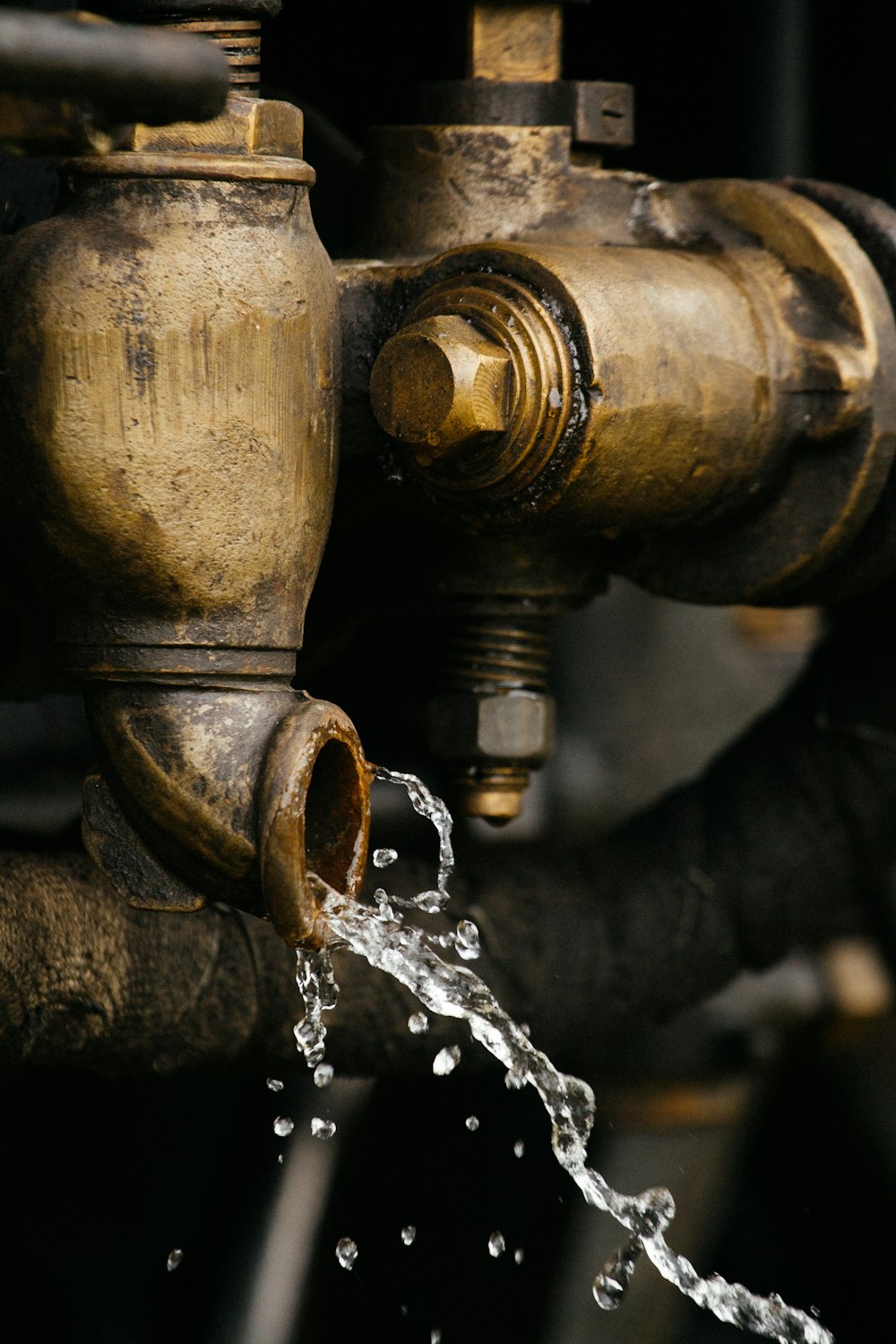
A worker leaning in close to inspect and work on a water pump and connected hose in a utility space

We work from the outside in. First we confirm there is actually a leak and roughly where it lives, then we pinpoint it. We listen for the leak with acoustic equipment, check for moisture and temperature differences, and isolate sections of the plumbing so we can tell a supply leak from a drain issue and a slab leak from a wall leak.

We also isolate the system and watch whether it holds, which tells us whether the leak is on the pressurized supply side or somewhere else entirely. The point of all of this is to mark one spot, not a whole room. When we are done locating, you should know what is leaking, where, and what it will take to fix, before any cutting starts.

Slab, wall, and underground leaks

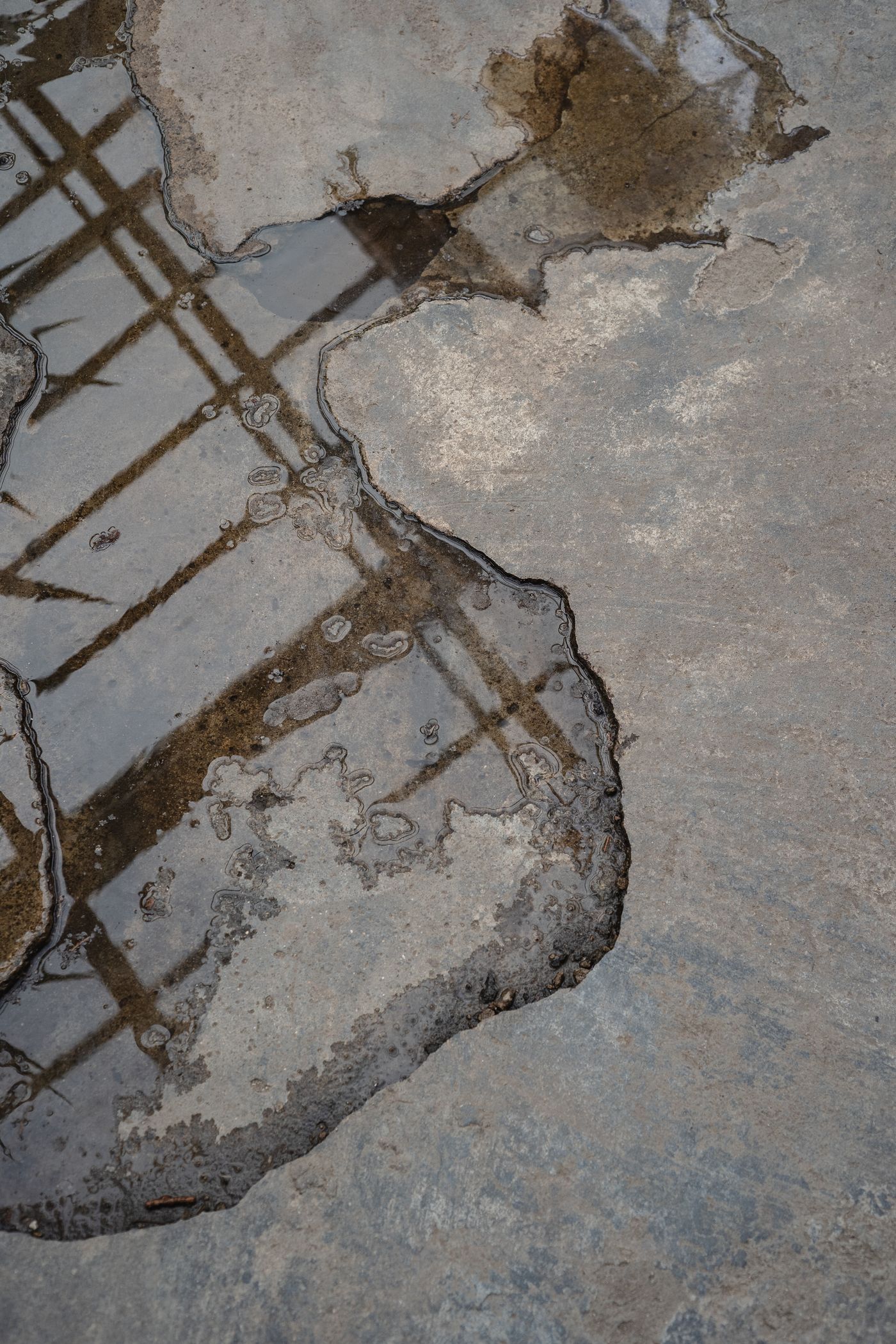
Water pooling and spreading across a bare concrete floor surface

Slab leaks happen when a line running under the concrete foundation springs a leak. Because the East Bay housing stock leans heavily toward homes built in the 1950s through the 1970s, a lot of those original supply lines are galvanized steel that has been corroding from the inside for decades, and the moderately hard water in the Tri-City area does not help. Wall leaks tend to show up as stains, soft drywall, or a musty smell. Underground leaks between the meter and the house often show as a wet spot in the yard or a bill that climbed for no reason.

Not every wet spot is a slab leak. Sometimes it is a leaking fixture, a failed wax ring under a toilet, condensation, or roof and grading water finding its way in. Part of our job is ruling those out so you are not paying to open a slab over a problem that lives above it.

Spot repair or reroute, and which makes sense

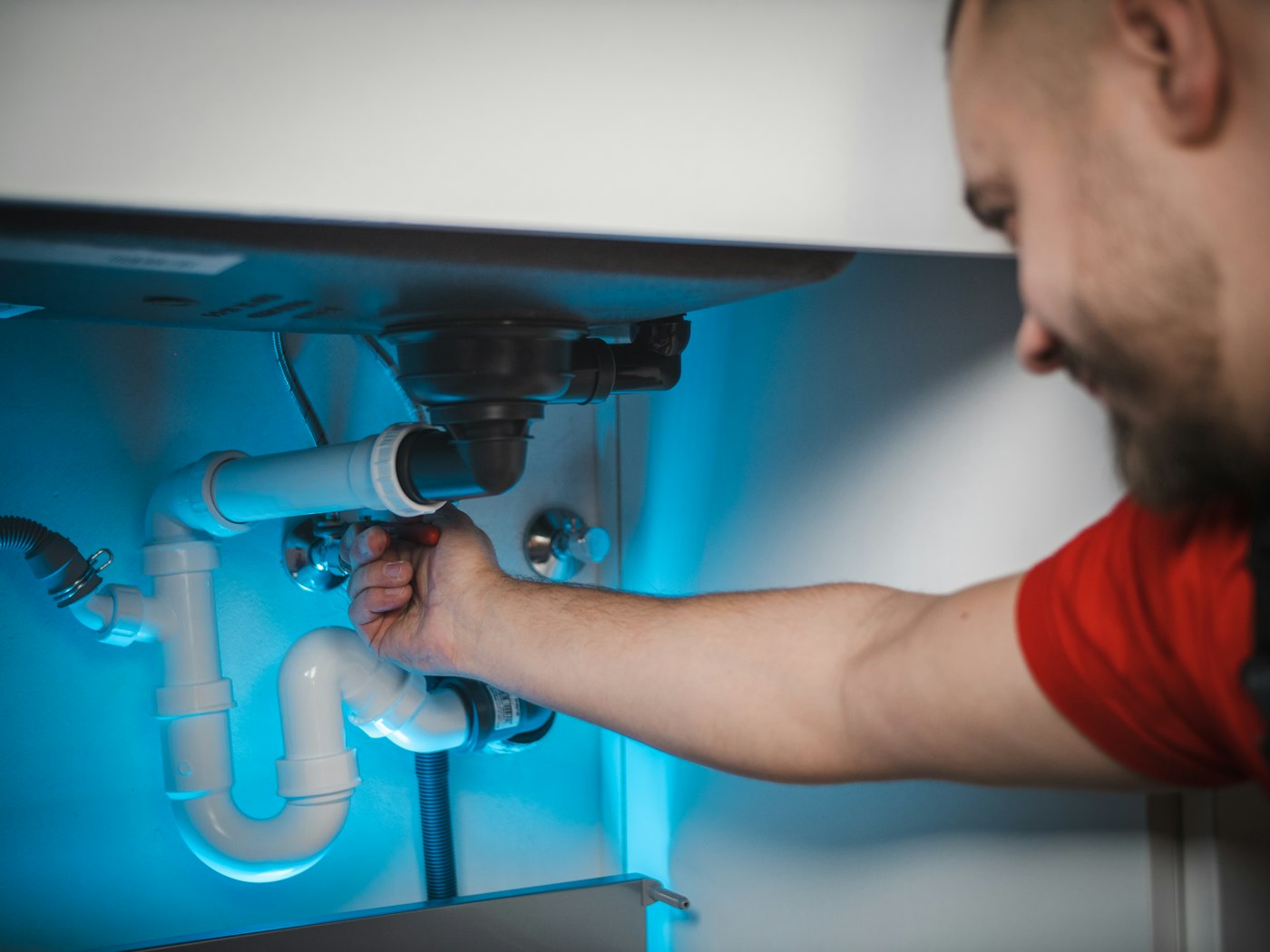
A plumber reaching under a sink to work on the white drain pipes and shut-off connections

Once we have the leak located, there are usually two honest options. A spot repair opens the slab or wall at the one failure point and repairs that section. It is the smaller, less disruptive job, and it is the right call when the rest of the line still has life in it. A reroute abandons the failed run and routes a new line through the wall or attic instead, which avoids breaking concrete and makes sense when the existing pipe is old enough that fixing one pinhole just means another one shows up nearby in a year.

We will tell you plainly which one we think fits your situation and why. If you have galvanized lines from the original build and they are failing in more than one place, we will say so rather than sell you a string of spot repairs. If it is a single isolated failure in otherwise sound pipe, we will not push a reroute you do not need.

When to call us, and when to call someone else

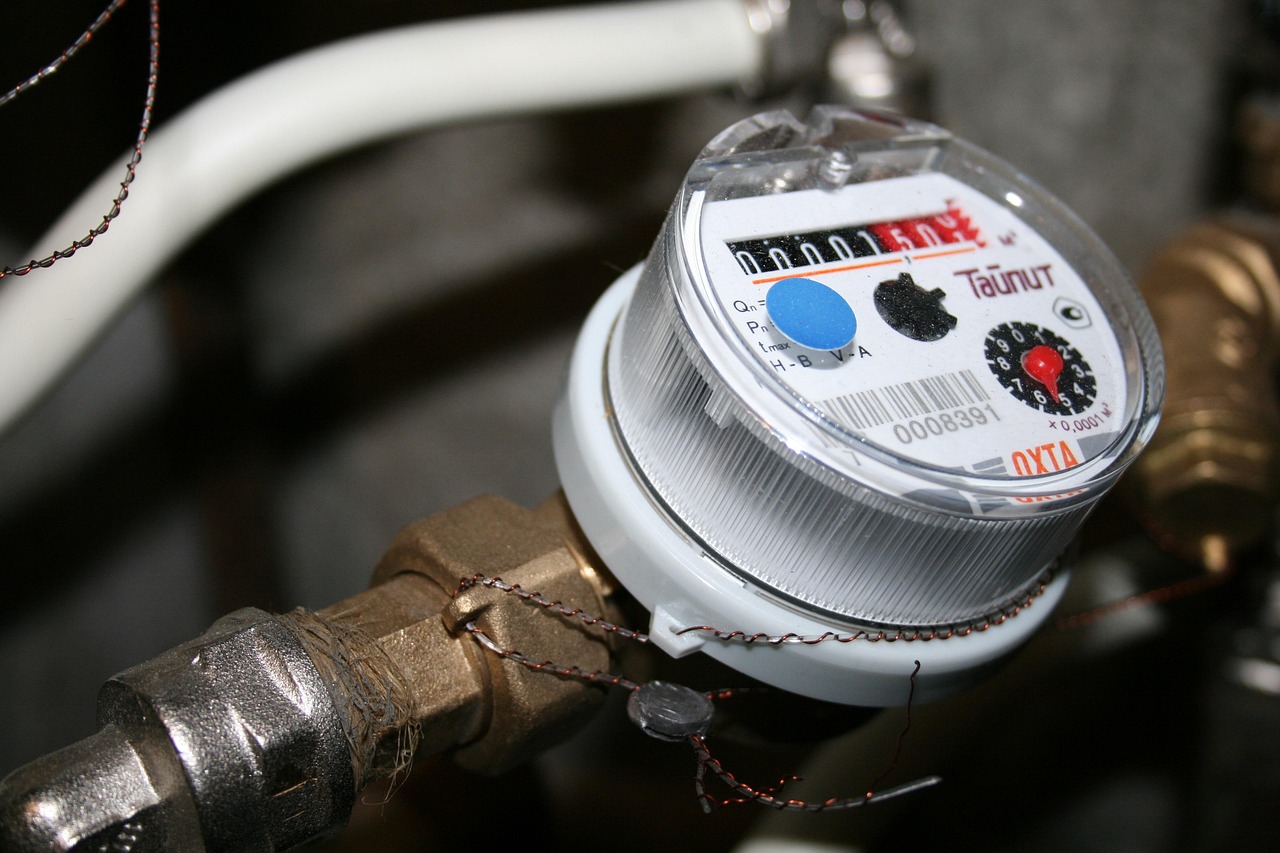
A residential water meter connected to brass pipe fittings

Call us when the signs point inside the house: a sudden bill jump with no change in usage, a warm spot on the floor, running water you can hear with everything shut off, or pressure that has dropped across the whole home. The sooner a slab or wall leak is found, the less water damage and mold you are dealing with later.

One honest exception: the water line from the street to your meter belongs to the water utility, and the meter is theirs too. If the wet ground or the suspected leak is on the street side of the meter, that is a call to the Alameda County Water District, not to us, and they handle it at no cost to you. We are responsible for everything from the meter into and under your home. We are licensed, family-owned since 1994, and available 24/7 when a leak cannot wait.

Watch for

Signs you may have a hidden leak

If a few of these line up in your home, it is worth a professional eye before a small problem turns into an expensive one.

  1. Your water bill jumped with no change in how much water you use

  2. A spot on the floor feels warm underfoot, often a sign of a hot supply slab leak

  3. You hear water running when every faucet, toilet, and appliance is off

  4. Water pressure dropped across the whole house, not just one fixture

  5. Unexplained damp spots, stains, soft drywall, a musty smell, or a wet patch in the yard

  6. Cracked, lifting, or buckling flooring over a slab, where a hidden line may have been leaking long enough to move it

Service areas

Local leak detection & slab leaks near you

FAQ

Common leak detection & slab leaks questions

Quality PlumbingOnline now · replies fast

How do you find a hidden leak without tearing up walls?

You

Electronic leak detection: acoustic listening gear, pressure testing, and moisture meters to pinpoint the spot before we open anything. We find it first, then make one targeted repair.

Quality Plumbing

How do I know if I have a slab leak?

You

Warm spots on the floor, a spike in your water bill, the sound of running water with everything off, or unexplained damp carpet. If a few of those line up, get it checked before it undermines the slab.

Quality Plumbing

Can you fix the leak once you find it?

You

Yes. We find it and repair it, from a slab leak reroute to a fitting deep in the wall. You get the diagnosis and the price before any work starts.

Quality Plumbing
Get in touch

Schedule your service today

Opening Hours

Monday - SaturdayOpen 24 hours
Emergencies24/7
Open now

Nights, weekends, and holidays included. When you call, a real local plumber answers, never a machine.

Our Location

What our customers say

Our Reviews

Read our reviews on Google and tell us how we did. Honest feedback is how we keep our work accountable across Newark and the East Bay.

Leave a Google review
Ready when you are

Need leak detection & slab leaks in Newark?

Call now for fast, friendly service, or book online in under a minute. A real, local Newark plumber, 24/7.

Licensed & insured 24/7 emergency service No surprises, no upsells