



24/7 Emergency ServicesEast Bay, Peninsula & South Bay
Licensed & insured · CSLB #690624 Licensed | #690624
QualityPlumbing

Water Softeners & Filtration in Newark & the East Bay

Tame Alameda County hard water with whole-home softeners and filtration systems.

5.0

on Google

Licensed & insuredSince 1994
What we handle

Quality Plumbing handles water treatment for homes and businesses across Newark, Fremont, and Union City. Every job starts with a clear diagnosis and the price upfront, before any work begins.

What is included

  • Whole-house water softener
  • Drinking water filtration
Quality Plumbing water treatment
Local & family-owned since 1994
In depth

Everything that goes into water softeners & filtration, broken into clear sections and explained in plain language.

Why ACWD water is hard, and what that costs you over time
Quality Plumbing water treatment work

Water from the Alameda County Water District is moderately hard, meaning it carries dissolved calcium and magnesium picked up as groundwater moves through rock formations before it reaches your home. That hardness is not a health concern, but it is a mechanical one. Every time you heat that water or simply move it through a pipe, those minerals come out of solution and deposit on any surface they touch: the inside of your water heater tank, the narrow heat-exchanger passages in a tankless unit, the spray holes in a showerhead, and the ceramic valves inside every faucet and fixture.

In a typical East Bay home from the 1960s or 1970s, the water heater and fixtures have often been accumulating scale for decades. Scale acts as insulation inside a heater, so the burner runs longer to deliver the same hot water, and the tank wears faster than it otherwise would. On a tankless unit, scale builds in exactly the wrong places, triggering fault codes and cutting output before the unit should be anywhere near the end of its life. Softening and filtering the water upstream changes the chemistry that everything downstream has to deal with.
Ion exchange softening versus filtration: two different jobs

Quality Plumbing water treatment work

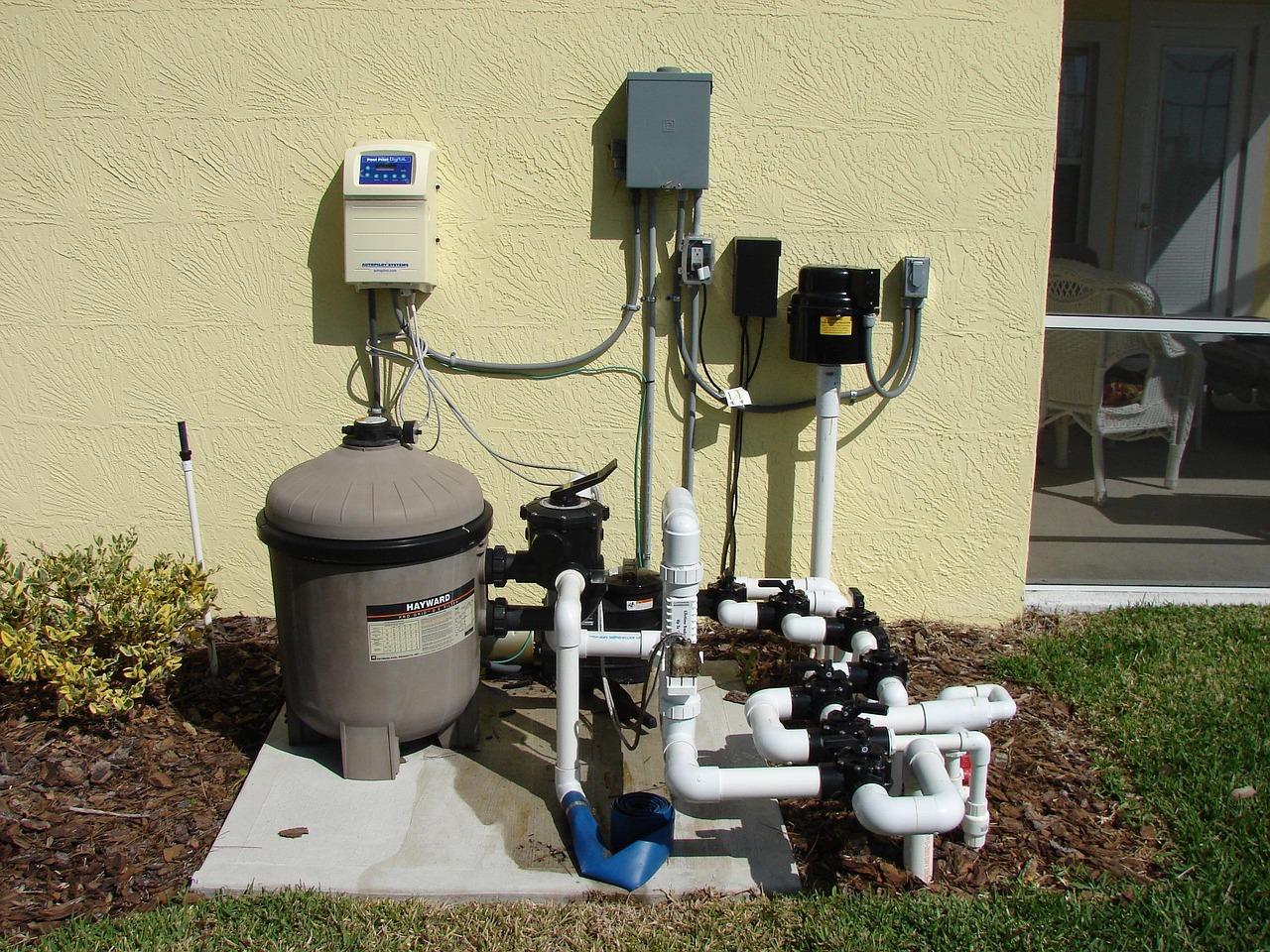
A water softener and a water filter are not the same thing, and confusing them leads to buying the wrong equipment. A salt-based softener uses ion exchange: hard water passes through a tank of resin beads, the calcium and magnesium ions swap places with sodium ions, and the water leaving the softener is chemically soft. It no longer deposits scale. The resin bed periodically recharges, or regenerates, by flushing itself with a brine solution that reloads the sodium and flushes the captured hardness minerals to drain.

A filter, by contrast, removes contaminants such as sediment, chlorine, chloramines, or other compounds from the water as it passes through a filter media. It does not address hardness. A whole-home carbon filter at the point of entry will improve taste and odor throughout the house, while a point-of-use reverse-osmosis unit under the kitchen sink produces drinking and cooking water that is highly purified. Many homeowners in the East Bay run both: a softener to protect the plumbing and appliances, and a drinking-water filter at the kitchen sink for the water they actually consume.

Salt-based versus salt-free, and point-of-entry versus point-of-use

Quality Plumbing water treatment work

Salt-based ion-exchange softeners are the proven standard for actually removing hardness from the water supply. Salt-free systems, sometimes marketed as conditioners or descalers, work differently: they alter the form of the calcium so it is less likely to adhere to surfaces, but they do not remove the hardness minerals from the water. For homes where scale protection is the primary goal, a salt-based system has the longer track record. For households that want to reduce how much sodium they add to their water, or where a salt-based system is not practical, a salt-free conditioner is worth discussing. We will walk you through the real-world difference for your situation rather than push one approach.

Point-of-entry equipment installs on the main supply line where it enters the home, so every tap, every appliance, and every fixture gets treated water. That is the right placement for a softener, since the goal is to protect the whole plumbing system. A point-of-use system serves a single outlet, typically the kitchen cold tap or a refrigerator line, and is a practical, lower-cost way to get high-quality drinking water without treating the entire household supply. Point-of-use reverse osmosis is common in East Bay homes that want to skip the taste and chemistry of tap water for drinking and cooking.

Sizing, regeneration, and what a proper installation involves

Quality Plumbing water treatment work

A softener that is too small for the household will regenerate constantly and wear out early. One that is too large goes long stretches without regenerating, which allows bacteria to establish in a stagnant resin bed. Proper sizing accounts for the number of people in the home, the daily hot-water and fixture load, and the measured hardness of the incoming water. We size around those real numbers, not a generic household estimate.

Installation connects the softener to the main supply line ahead of the water heater and all fixtures, with a bypass valve that lets us or you isolate the unit for service without cutting off household water. The brine tank needs to be accessible for adding salt on a regular schedule, and the drain line for regeneration needs a proper air gap to meet code. We also check the incoming pressure, because a softener requires a minimum working pressure and should not be installed upstream of a pressure-reducing valve set too low. The whole job ties into your existing supply system, so we look at what is there before we commit to a configuration.

How softening protects everything downstream

Quality Plumbing water treatment work

The reason a softener pays for itself over time is not the softener itself; it is the equipment it protects. A water heater running on soft water accumulates far less sediment, operates more efficiently, and typically reaches a longer service life than the same unit on hard water. Tankless units in particular benefit because their heat exchangers are vulnerable to exactly the kind of scale our Tri-City water produces. Faucet cartridges, shower valves, and dishwasher and washing machine components all last longer when the water passing through them is not depositing minerals every cycle.

Soft water also uses less soap, detergent, and cleaning product to do the same job, because hard water fights lather. That is a secondary benefit, but a real one over years of use. We are not going to overstate what softening does, but for an older East Bay home still running original galvanized supply lines or a water heater that has been collecting scale for years, improving the water quality upstream is one of the more practical things you can do before that scale catches up with the equipment.

Watch for

Signs your home may benefit from a softener or filtration system

If a few of these line up in your home, it is worth a professional eye before a small problem turns into an expensive one.

  1. Scale buildup visible on showerheads, faucet aerators, or the inside of your coffee maker or kettle, which points directly to hard-water mineral deposits

  2. Your water heater is making popping or rumbling sounds, a common sign of sediment accumulation from hard water at the bottom of the tank

  3. A tankless unit is throwing fault codes, losing output, or requiring more frequent service than expected, often caused by scale inside the heat exchanger

  4. Soap and shampoo lather poorly, or dishes and glassware come out of the dishwasher with white spots or a cloudy film

  5. Your drinking water has a noticeable chlorine taste or odor that you would rather not deal with at every tap

  6. The home is an older East Bay property with its original water heater and fixtures, where years of hard-water scale have likely already accumulated in the supply system

FAQ

Common water softeners & filtration questions

Quality PlumbingOnline now · replies fast

Will hard water actually damage my plumbing and appliances?

You

Yep, over time it does. Scale from our ACWD water builds up inside water heaters, tankless units, and fixtures, making them work harder and wear out sooner. Softening the supply upstream is one of the most practical things you can do for older East Bay homes that have been collecting that scale for decades.

Quality Plumbing

What's the difference between a water softener and a water filter?

You

They do different jobs. A softener removes the hardness minerals that cause scale. A filter removes things like sediment, chlorine, or other compounds that affect taste. A lot of homeowners run both, a softener to protect the plumbing and a point-of-use drinking filter under the kitchen sink.

Quality Plumbing

Salt-based or salt-free, which one should I get?

You

Salt-based ion-exchange systems actually remove the hardness minerals and have the longer track record for protecting pipes and appliances. Salt-free conditioners change the form of the calcium so it sticks less, but they don't remove it. We'll walk you through the real-world difference for your home and water use so you're not guessing.

Quality Plumbing
Get in touch

Schedule your service today

Opening Hours

Monday - SaturdayOpen 24 hours
Emergencies24/7
Open now

Nights, weekends, and holidays included. When you call, a real local plumber answers, never a machine.

Our Location

What our customers say

Our Reviews

Read our reviews on Google and tell us how we did. Honest feedback is how we keep our work accountable across Newark and the East Bay.

Leave a Google review
Ready when you are

Need water softeners & filtration in Newark?

Call now for fast, friendly service, or book online in under a minute. A real, local Newark plumber, 24/7.

Licensed & insured 24/7 emergency service No surprises, no upsells