




Why Hayward Hills homes need pressure regulation and slab-leak detection
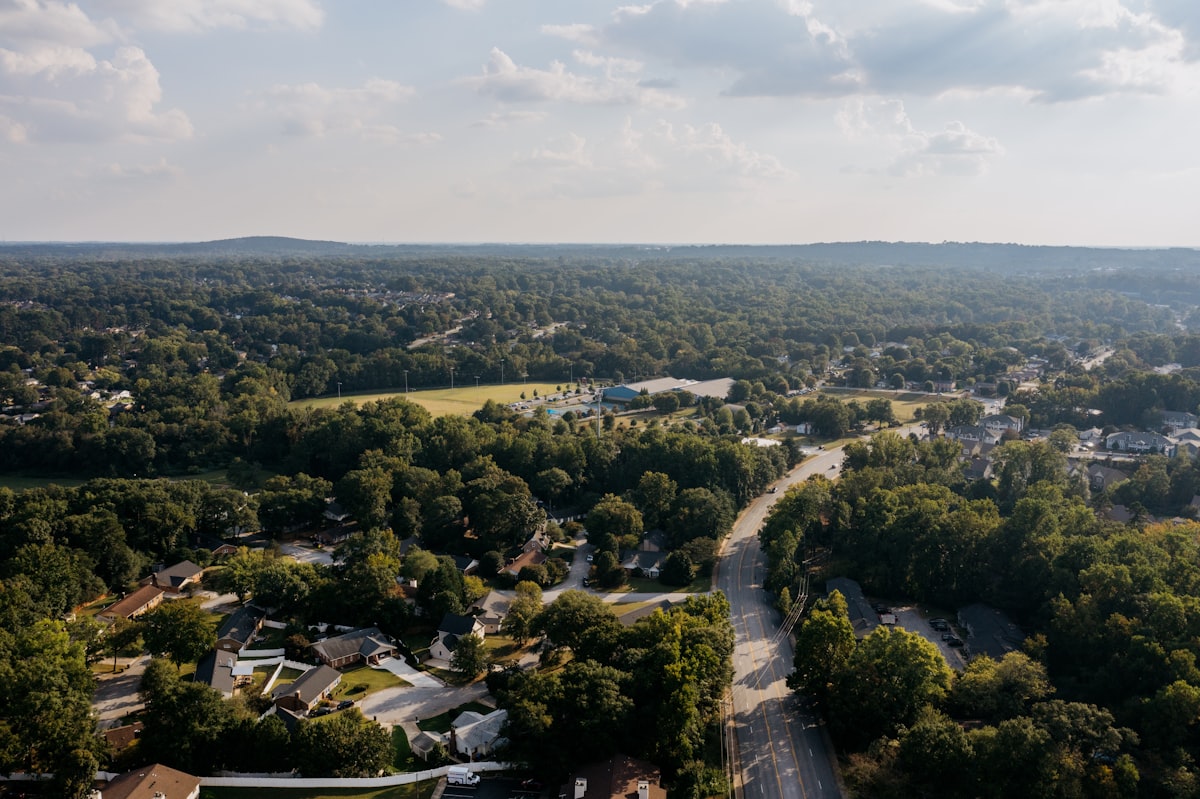
The single most Hayward-specific plumbing issue we run into is what elevation does to water pressure up in the Hayward Hills. Those higher lots sit well above the flat parts of town, and the static water pressure that arrives at the house can push past what older fixtures, supply valves, and angle stops were ever built to handle. A toilet fill valve or a washing machine hose that would last for years on a flat lot near Cherryland can fail early on a steep hillside lot, simply because it is fighting more pressure every minute of every day.
The fix is usually a pressure regulating valve, and the honest first step is to put a gauge on the system and actually read the static pressure rather than guess. If it is sitting high, we install or replace the regulator and bring the house down into a safe range, which protects every fixture and appliance downstream of it. On homes where the regulator was never installed or has quietly failed, this one part is often the reason a household keeps replacing supply lines and valves it should not have to.
High pressure also makes slab leaks worse on the slab-on-grade homes common up here. A pinhole or a worn fitting under the slab leaks harder when the line behind it is over-pressurized, so when we get a call about a warm spot on the floor, an unexplained jump in the water bill, or the sound of water running with everything shut off, we bring electronic leak detection and pinpoint the spot before we open any concrete. Detect first, dig once. That order matters a great deal when the leak is under a Hayward Hills foundation.