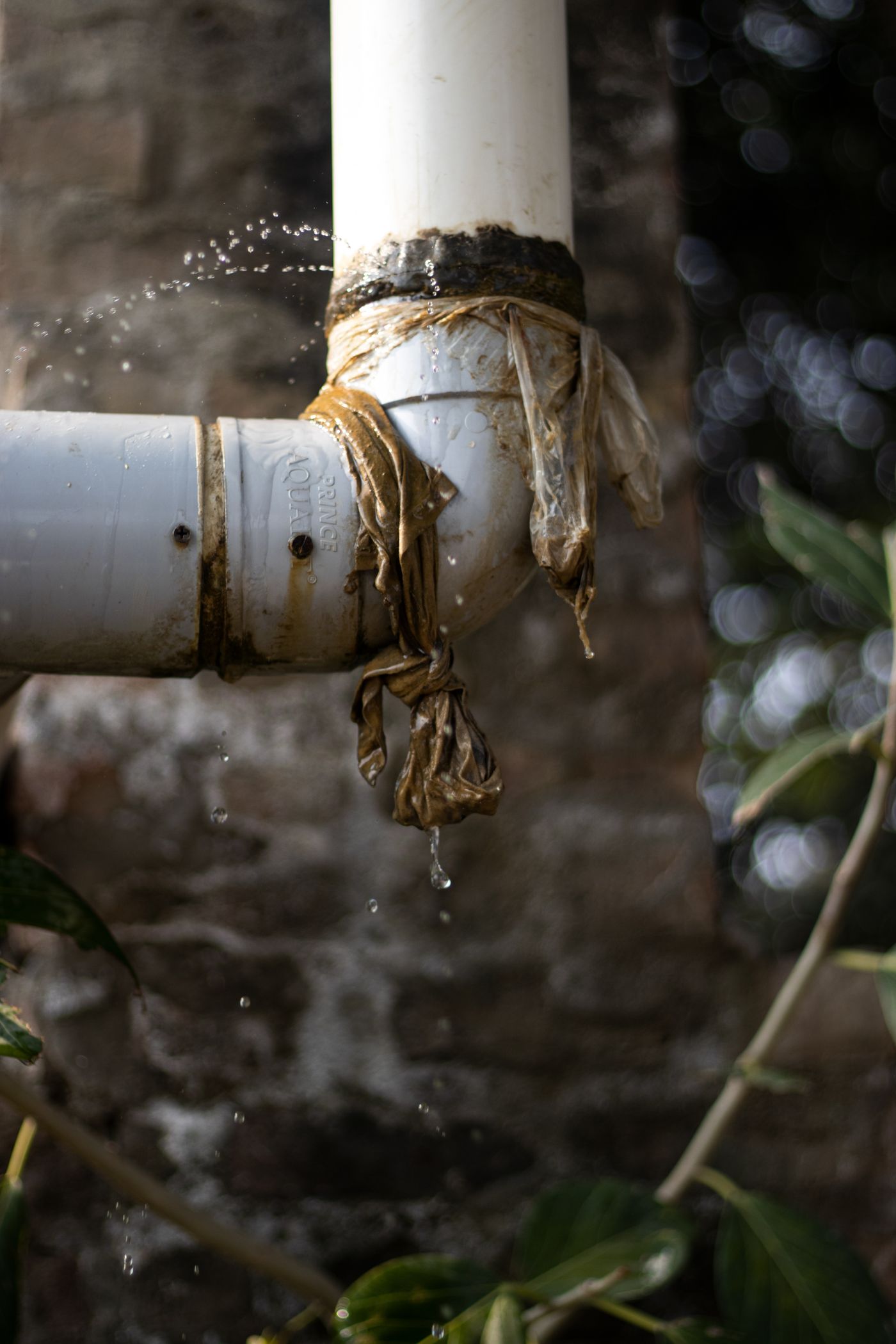
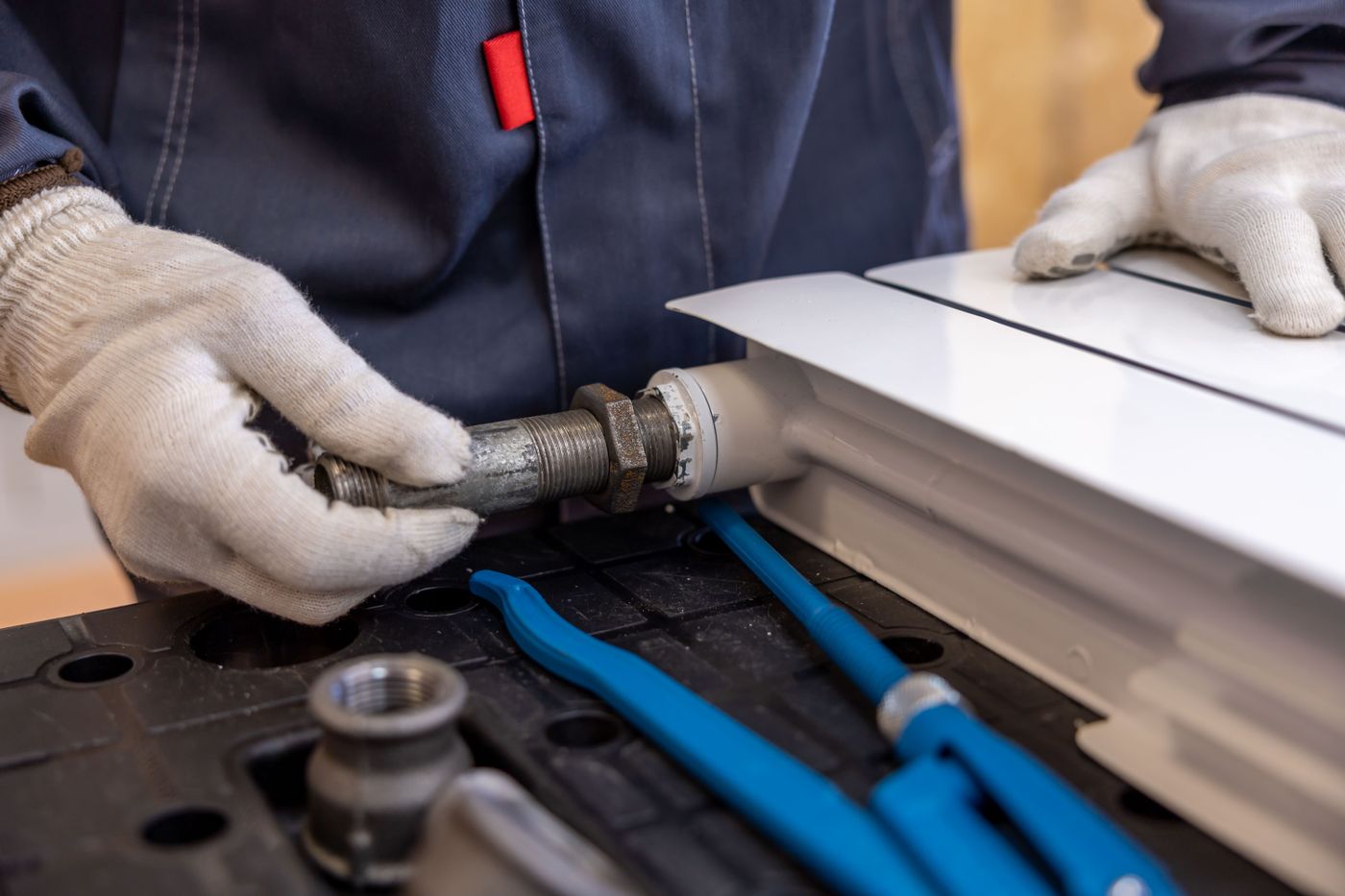
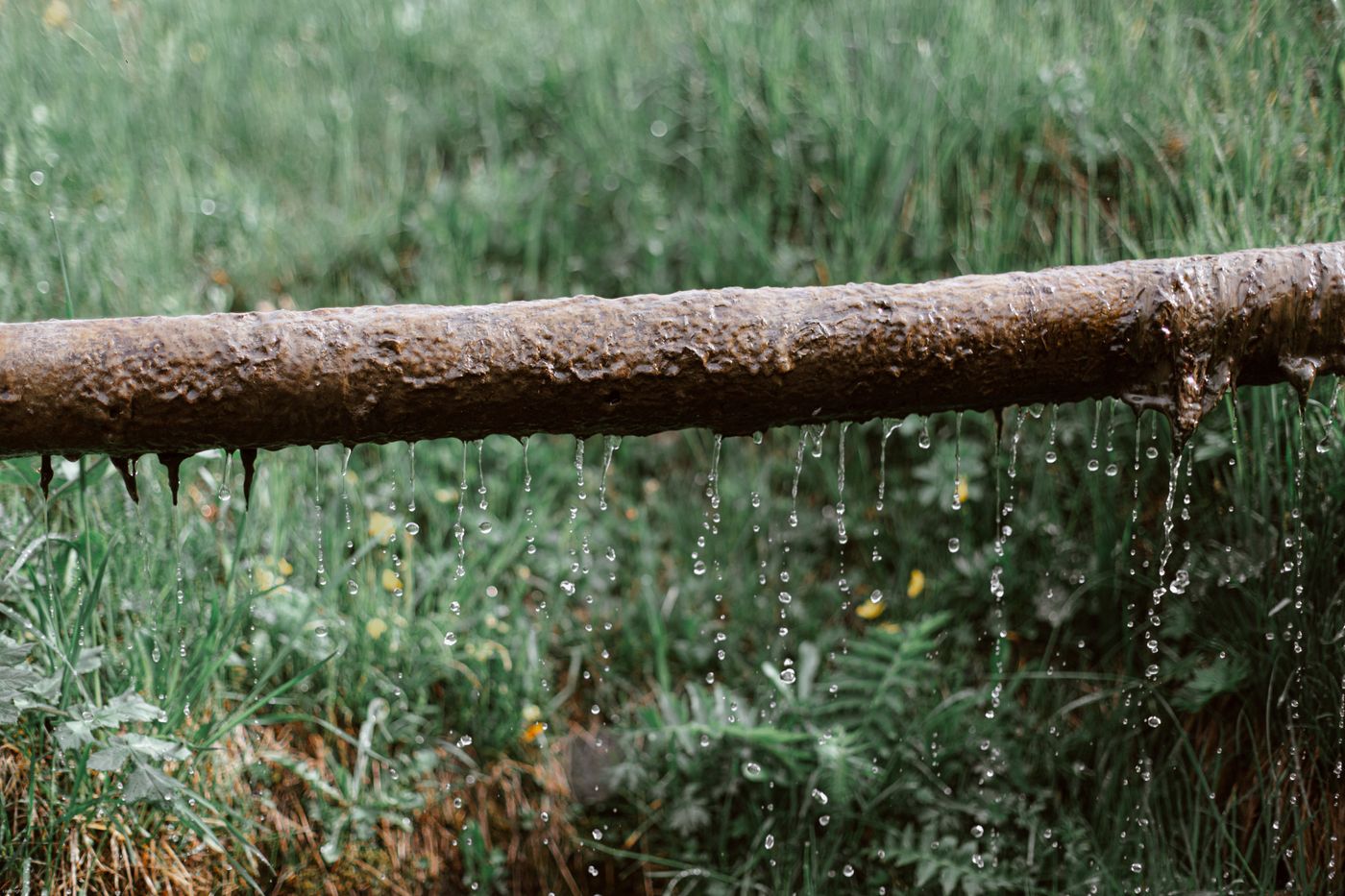
A large share of Newark's housing went up in the 1960s and 1970s, and a lot of those homes still run on the original galvanized supply pipe. Galvanized corrodes from the inside out over fifty or sixty years, the bore narrows, and the wall thins until a section simply splits, often at a threaded joint inside a wall or under the slab. When one of these lets go, it does not weep quietly, it sprays. The same era brought slab-on-grade construction, so a failed line under the slab can soak flooring and drywall before you see the first drip. These are the burst-pipe calls we run most often here, and the age of the pipe is usually the reason.
The other two emergencies we see constantly in Newark are sewage backups and sudden loss of hot water. Backups in the established neighborhoods, from Old Town Newark to Lakeshore to Ironwood, are often an aging clay or cast-iron lateral that tree roots have finally choked off, and raw sewage coming up a floor drain or tub is both a health hazard and a true emergency. On the hot-water side, Alameda County Water District water is moderately hard, so heaters here scale faster and can fail earlier than the label promises, which is why a tank that was fine yesterday can be cold and leaking today.