



24/7 Emergency ServicesEast Bay, Peninsula & South Bay
Licensed & insured · CSLB #690624 Licensed | #690624
QualityPlumbing

Toilet Repair & Installation in Newark & the East Bay

Fix running, leaking, and clogged toilets, or install efficient new models.

5.0

on Google

Licensed & insuredSince 1994
What we handle

Quality Plumbing handles toilet repair for homes and businesses across Newark, Fremont, and Union City. Every job starts with a clear diagnosis and the price upfront, before any work begins.

What is included

  • Toilet repair
  • Toilet replacement & install
Quality Plumbing toilet repair
Local & family-owned since 1994
In depth

Everything that goes into toilet repair & installation, broken into clear sections and explained in plain language.

Why Your Toilet Keeps Running (and What to Do About It)
Quality Plumbing toilet work

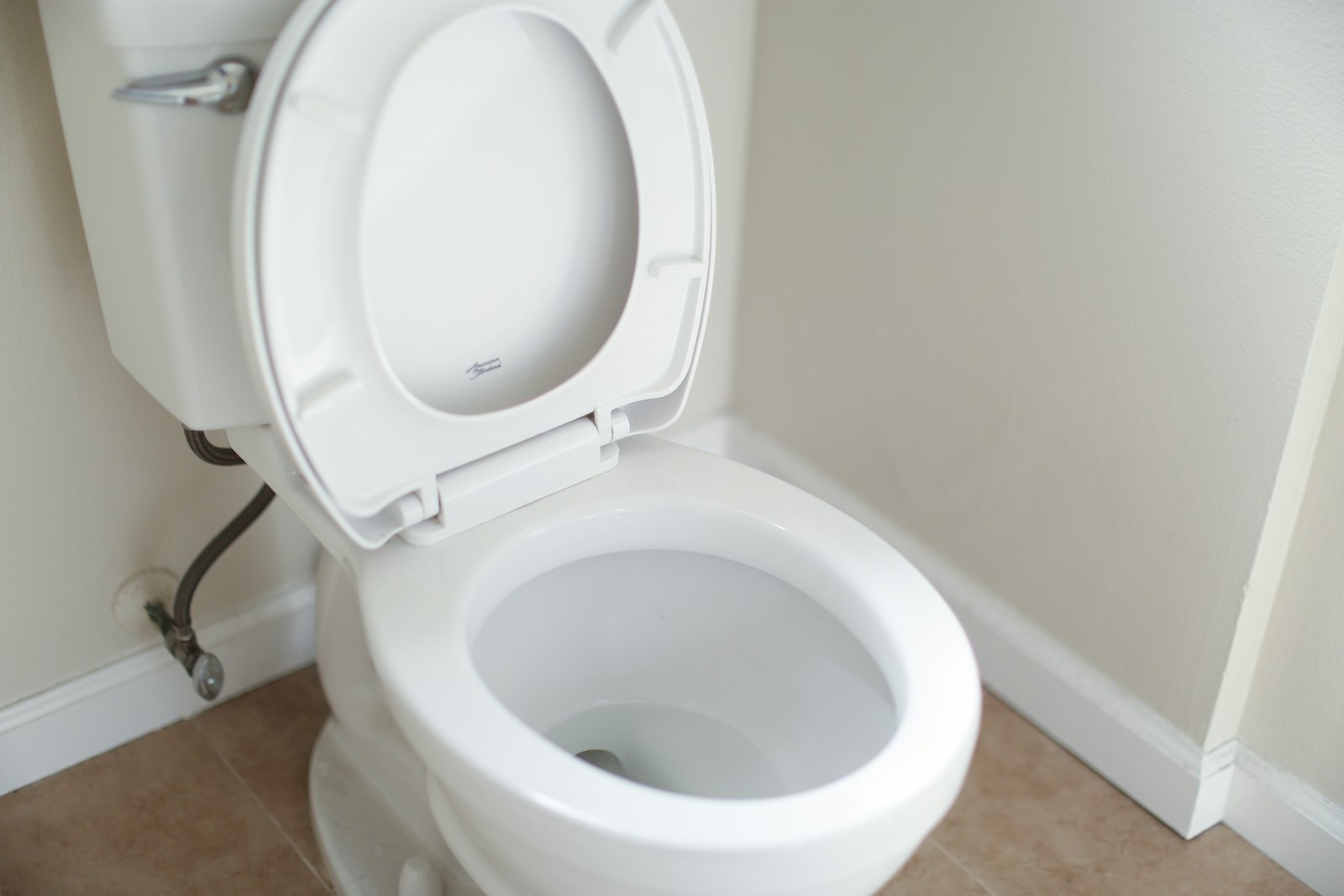
A toilet that runs after flushing is one of the most common calls we handle across the East Bay. The cause is almost always one of three things: a worn flapper that no longer seals against the flush valve seat, a float set too high so water spills into the overflow tube, or a fill valve that has simply worn out and cannot shut off reliably. All three are inexpensive parts, but identifying which one is responsible requires watching the tank go through a full fill cycle and sometimes doing a dye test to confirm the flapper is the leak path.

What makes East Bay homes a little different is the water itself. Alameda County Water District water carries moderate hardness, and over years that mineral content leaves scale deposits on the flush valve seat. A flapper that looks intact can sit on a pitted or coated seat and still leak. In those cases, replacing the flapper alone does not hold, and we resurface or replace the seat as well. We check the chain length while we are in there, because a chain that is too long can fold under the flapper and cause the same slow-leak symptom. The whole repair typically takes under an hour once we have confirmed the root cause.

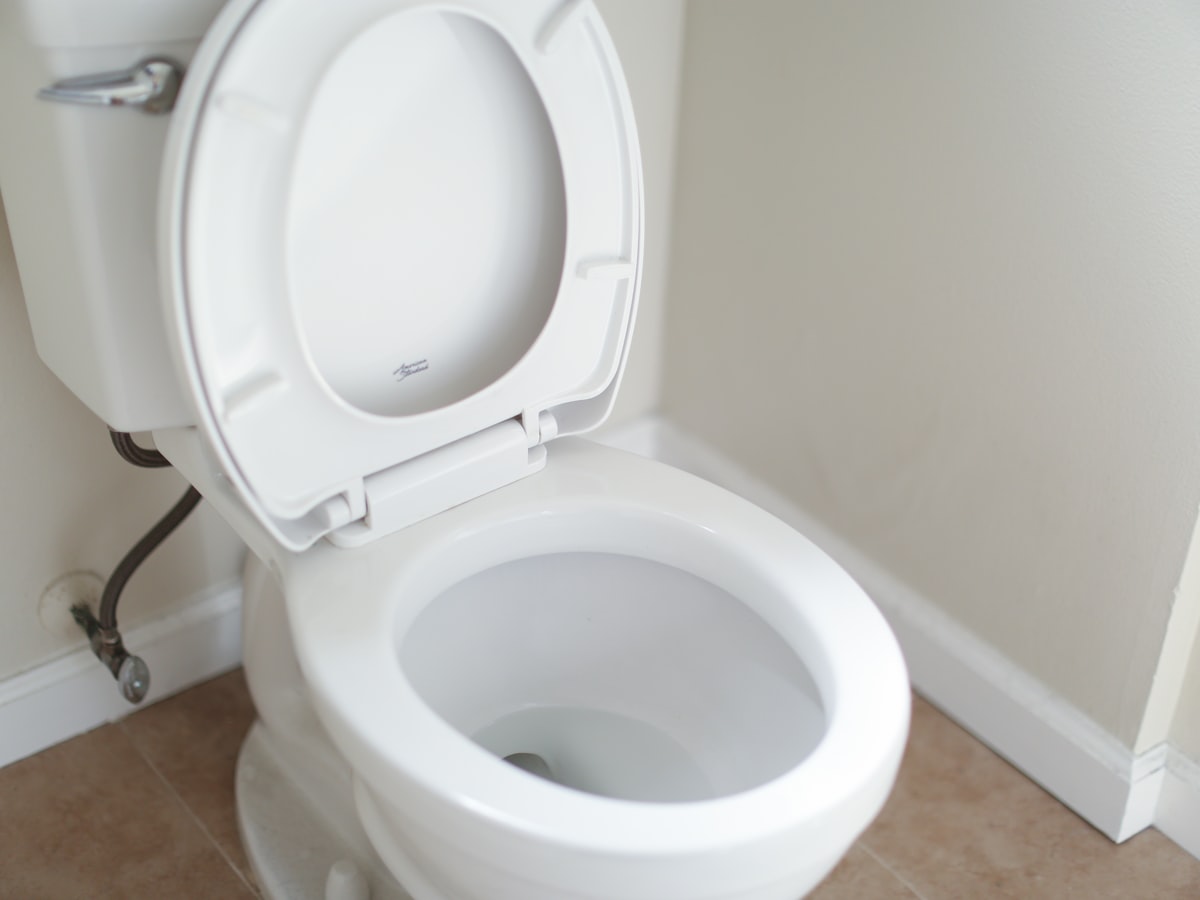
Leaks at the Base, the Supply Line, and the Tank-to-Bowl Connection

Quality Plumbing toilet work

Water pooling around the base of a toilet points first to the wax ring, the compressible seal between the toilet horn and the closet flange set into the floor. Wax rings do not last forever, and any toilet that has ever been lifted, rocked on a loose anchor bolt, or simply served a busy household for thirty or forty years can develop a slow seep. The frustrating part is that this leak often appears intermittently, only when the toilet is flushed, so homeowners sometimes assume it is condensation. If the floor around the base ever feels soft or the subfloor is discolored, the ring has been weeping long enough to cause real damage.

Supply line leaks are a separate problem and more common in older homes. Many East Bay houses built in the 1960s and 1970s still have the original braided or ribbed plastic supply lines, and those become brittle. We replace them with reinforced braided stainless lines as a matter of course when we are already at the toilet. The tank-to-bowl connection is a third leak point: two bolts and a large rubber gasket hold the tank to the bowl, and when that gasket ages or a bolt corrodes, water trails down the back of the bowl with every flush. Tightening the bolts sometimes solves it; replacing the gasket and bolts is the reliable fix.

On slab-on-grade construction, which is standard in much of the East Bay, a wax ring replacement also means checking the condition of the closet flange itself. Flanges sit flush with or just above the finished floor, and when tile or vinyl is layered over the original floor height over the decades, the flange ends up recessed. A recessed flange cannot compress a standard wax ring properly. We use an extension ring or a thicker wax to bridge that gap rather than cutting corners with a loose fit.

Recurring Clogs: When the Problem Is the Line, Not the Toilet

Quality Plumbing toilet work

A toilet that clogs once after an obvious cause is rarely worth worrying about. A toilet that clogs repeatedly, especially when nothing unusual has been flushed, is telling you something about the drain line rather than the fixture. The East Bay has a large stock of homes with cast-iron or clay drain pipes that have been in service since the home was built. Cast iron develops internal rust scale over time, reducing the inside diameter. Clay pipe, common in pre-1970s construction, can crack, shift at joints, and collect root intrusions. Both conditions produce a line that clears with a snake today and blocks again in a few weeks.

We use a drain camera to inspect lines when clogs recur without a clear cause. The camera shows us root intrusion, offset joints, interior scale, or a belly in the line where slope has been lost. That information determines whether jetting, a targeted repair, or a longer repipe is the right answer. We would rather show you what is in the pipe and explain the options honestly than run a snake repeatedly and leave the underlying condition in place. If the problem is the toilet itself, a worn low-flow model from the 1990s with a small trapway, we will tell you that too.

When Replacement Makes More Sense Than Another Repair

Quality Plumbing toilet work

Toilets are durable, but they are not immortal. Porcelain cracks, tank lids break, and the internal hardware in older tanks reaches a point where replacement parts are no longer a standard stock item. More practically, toilets manufactured before the federal efficiency standards took effect use significantly more water per flush than current models. If you are repairing the same tank components every few years on a toilet that also uses more water than necessary, the math on replacement starts to make sense.

Current high-efficiency toilets and dual-flush models are genuinely good. The early low-flow toilets from the 1990s had a reputation for poor performance because the trapway and bowl geometry had not caught up to the reduced tank volume. Modern designs are engineered as a complete system, and a quality fixture from a mid-tier or premium manufacturer will clear the bowl cleanly on a single flush. We stock and install models in a range of heights and rough-in dimensions, because older East Bay homes often have a 14-inch rough-in rather than the current standard 12-inch, and choosing the wrong fixture creates a visible gap at the wall.

For households with older adults or anyone with mobility concerns, comfort-height toilets sit a few inches taller than standard and make a real functional difference. We can discuss options without steering you toward the most expensive choice. If the toilet you have is structurally sound and just needs a new fill valve and flapper, we will say so.

Installation on Older Flanges and What the Job Actually Involves

Quality Plumbing toilet work

Installing a new toilet looks straightforward until you lift the old one and see what the floor and flange look like underneath. In homes with original cast-iron drain stacks, the closet flange is often cast iron as well. Cast-iron flanges can rust, crack around the ring where the anchor bolts slide, or pull away from the hub. A toilet set on a damaged flange will rock, break the wax seal, and eventually damage the subfloor. We assess the flange condition before we seat the new toilet and repair or replace it if needed, rather than setting the fixture and hoping it holds.

The rough-in measurement, the distance from the finished wall to the center of the drain, determines which toilet models will fit your bathroom. We measure this before you purchase anything, because returning a toilet is inconvenient and most plumbing supply houses have restocking policies. We also check the floor for soft spots or water damage while the toilet is out, because that is the only practical time to address subfloor repairs before a new fixture goes down. The actual installation, once the flange is confirmed solid and the new toilet is on site, is a few hours of work including shutoff valve inspection and supply line replacement.

Permit requirements in Newark and across most East Bay cities do not apply to toilet swaps in most cases, since the drain and supply connections are not being moved. We will tell you clearly if your situation is an exception. Our goal is to leave the bathroom cleaner than we found it, with a toilet that works reliably and connections you can trust.

Watch for

Signs You Should Call Us About Your Toilet

If a few of these line up in your home, it is worth a professional eye before a small problem turns into an expensive one.

  1. The toilet runs for more than a minute after flushing, or cycles on and off by itself

  2. Water appears on the floor around the base, even occasionally or only after flushing

  3. The toilet has clogged more than twice in a short period with no obvious cause

  4. The floor near the toilet feels soft, spongy, or shows staining that suggests a slow leak

  5. The tank rocks, the supply line shows corrosion or mineral buildup, or a fitting is weeping

  6. The toilet is original to a home built before the 1990s and the internal parts have never been replaced

FAQ

Common toilet repair & installation questions

Quality PlumbingOnline now · replies fast

Why does my toilet keep running after I flush?

You

Usually it's a worn flapper or a faulty fill valve, both cheap parts that we carry on the truck. We'll diagnose it on the spot and fix it the same visit so you're not wasting water or money.

Quality Plumbing

There's water pooling around the base of my toilet. Is that serious?

You

It usually means the wax ring has failed, which happens a lot in older East Bay homes where floors have settled over the decades. It's worth fixing promptly, a slow leak can rot the subfloor before you even notice it.

Quality Plumbing

How do I know if I should repair my toilet or just replace it?

You

If it's a single failed part, repair almost always makes more sense. If the toilet is cracked, constantly clogging, or it's an older low-efficiency model running up your water bill, replacement is worth considering and we'll give you an honest opinion either way.

Quality Plumbing
Get in touch

Schedule your service today

Opening Hours

Monday - SaturdayOpen 24 hours
Emergencies24/7
Open now

Nights, weekends, and holidays included. When you call, a real local plumber answers, never a machine.

Our Location

What our customers say

Our Reviews

Read our reviews on Google and tell us how we did. Honest feedback is how we keep our work accountable across Newark and the East Bay.

Leave a Google review
Ready when you are

Need toilet repair & installation in Newark?

Call now for fast, friendly service, or book online in under a minute. A real, local Newark plumber, 24/7.

Licensed & insured 24/7 emergency service No surprises, no upsells